
In modern construction and industrial engineering, steel grating is no longer used only for basic flooring and drainage purposes. As projects increasingly demand a combination of functionality, structural strength, safety, and visual appeal, traditional flat grating systems are sometimes unable to meet more advanced design requirements. This is where wave-shaped steel grating has gained growing attention across industrial, commercial, and architectural sectors.
With its curved or wave-like structural design, wave-shaped steel grating offers not only reliable load-bearing performance but also enhanced aesthetics, improved drainage characteristics, and greater adaptability for customized engineering projects. For B2B buyers, contractors, and architects, it represents a modern solution that combines engineering practicality with design flexibility.
What is wave-shaped steel grating?
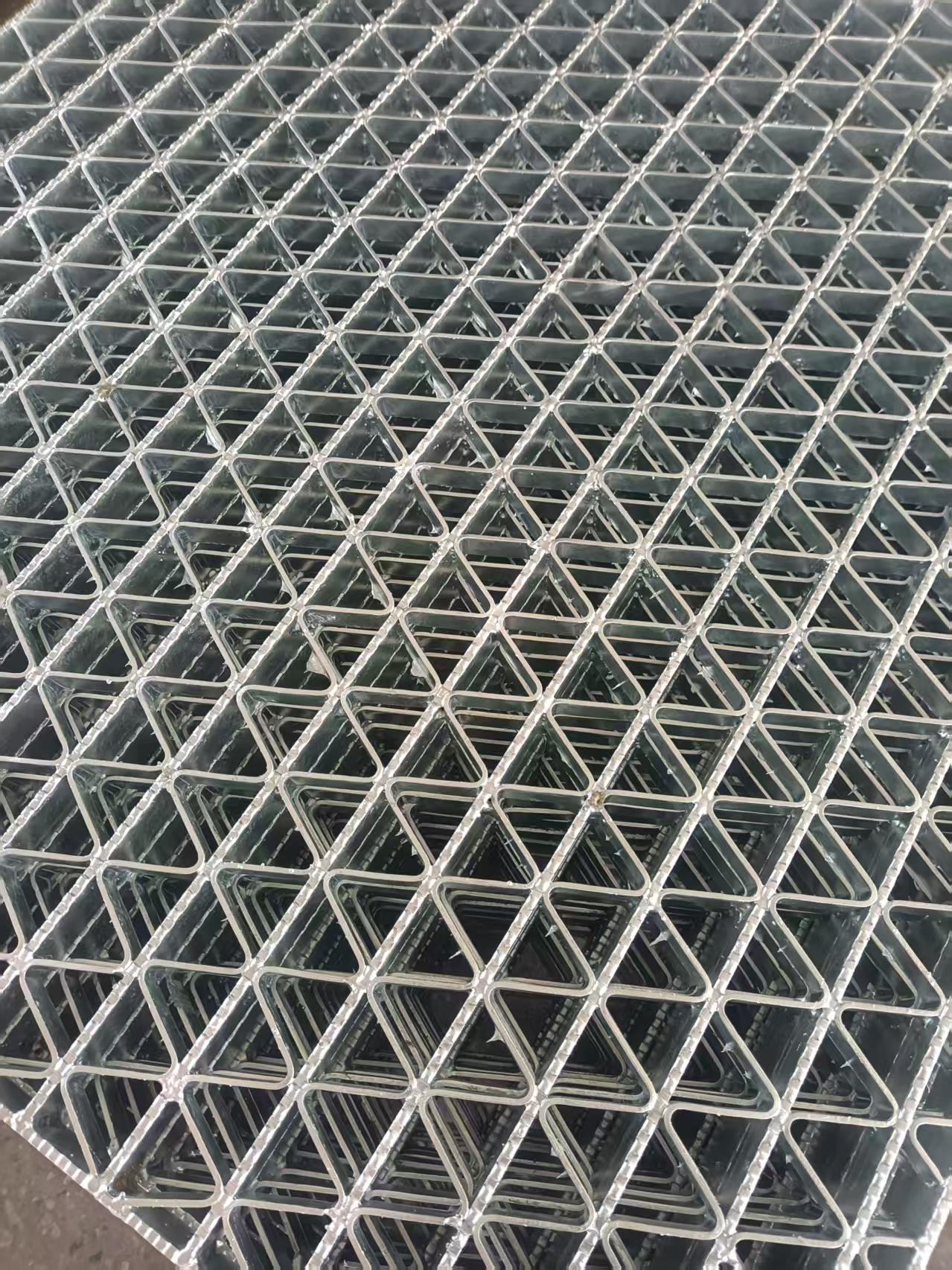
Wave-shaped steel grating is a specially designed grating system featuring curved, bent, or wave-pattern structures instead of conventional flat surfaces. It is manufactured using steel bars that are processed into wave-like shapes while maintaining the open-grid characteristics of traditional steel grating.
This design allows the grating to provide structural support while also creating a more visually dynamic appearance. Depending on the application, wave-shaped steel grating can be produced in different patterns, curvatures, and dimensions to meet specific project requirements.
Why wave-shaped steel grating is attracting attention
In many modern projects, especially those involving public infrastructure, architectural landscapes, or high-visibility industrial areas, buyers are looking for products that offer more than just basic utility. Wave-shaped steel grating stands out because it solves several common limitations associated with standard flat grating systems.
● Enhanced architectural appearance
The wave-like structure creates a more modern and visually attractive design compared to conventional grating
● Improved structural flexibility
Curved forms can better adapt to irregular layouts, slopes, and customized platform systems
● Effective drainage performance
Open-grid construction still allows efficient water and debris flow
● Strong load-bearing capability
Despite its unique shape, it maintains reliable structural strength for industrial use
● Better integration with landscape projects
Frequently used in public spaces, bridges, walkways, and decorative engineering structures
These advantages make wave-shaped steel grating increasingly popular in projects where appearance and functionality are equally important.
Common applications in industrial and architectural projects
Wave-shaped steel grating is now widely used across multiple sectors because of its combination of performance and design value.
Industrial platforms and walkways
Industrial facilities often require customized walkway systems around equipment, pipelines, or irregular structural layouts. Wave-shaped steel grating provides flexibility while maintaining safety and drainage performance.
Municipal engineering projects
City infrastructure projects such as pedestrian bridges, drainage systems, and urban landscape installations increasingly use wave-shaped grating to create a more modern visual effect.
Architectural facade and landscape systems
Architects often use wave-shaped steel grating in decorative exterior structures, sunshade systems, and landscape engineering because of its unique geometric appearance.
Marine and coastal environments
In coastal or waterfront projects, wave-shaped steel grating can combine corrosion-resistant materials with aesthetic design, making it suitable for boardwalks, docks, and viewing platforms.
Commercial public spaces
Shopping centers, parks, transportation hubs, and public plazas use wave-pattern grating systems to improve both functionality and visual appeal.
Material options and corrosion protection
Because wave-shaped steel grating is used in a wide variety of environments, material selection is essential for ensuring long-term performance.
● Carbon steel
Suitable for general industrial and indoor applications with good strength and cost efficiency
● Hot-dip galvanized steel
Provides excellent corrosion resistance for outdoor projects and humid environments
● Stainless steel
Ideal for coastal, chemical, or highly corrosive environments requiring long-term durability
● Powder-coated finishes
Used to enhance appearance and provide additional surface protection
Choosing the correct material helps improve lifespan while reducing maintenance requirements.
Design advantages compared to traditional grating
Unlike standard flat steel grating, wave-shaped steel grating offers several unique structural and visual advantages.
Improved visual impact
The curved design creates depth and movement, making structures appear more modern and dynamic.
Greater customization flexibility
Wave-shaped grating can be manufactured in different curves, dimensions, and surface treatments to meet project-specific requirements.
Better adaptability to irregular structures
Projects with curved pathways, sloped surfaces, or customized platforms benefit from the flexibility of wave-pattern systems.
Enhanced project value
Modern architectural appearance can improve the overall visual quality of industrial or commercial projects.
Installation and engineering considerations
Proper engineering and installation are critical for ensuring the performance of wave-shaped steel grating.
● Ensure accurate dimensional measurements before fabrication
● Match support structures with the curved grating design
● Use corrosion-resistant fastening systems for outdoor environments
● Verify load ratings according to project requirements
● Conduct regular inspections for long-term structural stability
Because wave-shaped systems are often customized, early-stage engineering coordination is especially important.
How wave-shaped steel grating helps solve modern project challenges
Many industrial and architectural projects now face increasing demands related to appearance, flexibility, and environmental performance. Traditional flat grating systems may not fully satisfy these requirements.
Wave-shaped steel grating helps address these challenges by offering:
● A balance between engineering functionality and architectural design
● Improved visual integration with modern infrastructure
● Better adaptability for complex layouts
● Reliable drainage and ventilation performance
● Long-term durability in demanding environments
This combination makes it highly suitable for next-generation construction projects.
Why B2B buyers are choosing wave-shaped steel grating
From a procurement and project management perspective, wave-shaped steel grating offers multiple advantages:
● Supports customized engineering solutions
● Enhances project appearance and market value
● Maintains industrial-grade structural performance
● Provides corrosion resistance for long-term use
● Helps differentiate modern infrastructure projects
For companies seeking both functionality and visual impact, it offers a strong competitive advantage.
Conclusion
Wave-shaped steel grating represents a new direction in modern steel grating applications by combining structural performance, drainage capability, safety, and architectural aesthetics into a single solution. Its flexibility and customization potential make it suitable for industrial platforms, public infrastructure, commercial spaces, and architectural landscape projects.
For B2B buyers, selecting wave-shaped steel grating means investing in a solution that not only improves structural reliability but also enhances the overall appearance and long-term value of a project. As construction trends continue to evolve toward more integrated and design-oriented solutions, wave-shaped steel grating is expected to play an increasingly important role in future infrastructure development.
FAQ:
Q1: What is the main difference between wave-shaped steel grating and traditional grating?
Wave-shaped steel grating features curved or wave-like structures that provide enhanced aesthetics and greater design flexibility.
Q2: Is wave-shaped steel grating suitable for industrial use?
Yes, it maintains strong load-bearing capacity and drainage performance suitable for industrial environments.
Q3: Which material is best for outdoor wave-shaped steel grating?
Hot-dip galvanized steel and stainless steel are commonly used for outdoor and corrosive environments.
Q4: Can wave-shaped steel grating be customized?
Yes, it can be manufactured in different shapes, sizes, curves, and surface treatments according to project requirements.
Post time: May-14-2026