
Serrated Steel Grating is widely used in industrial platforms, walkways, stair treads, drainage covers, ramps, and heavy-duty working areas where safety, strength, and long service life are important. Compared with smooth surface grating, serrated steel grating has a toothed bearing bar surface that provides better slip resistance, especially in wet, oily, muddy, or dusty environments.
For factories, warehouses, chemical plants, power stations, offshore platforms, mining sites, wastewater treatment plants, and transportation facilities, floor safety is not only about comfort but also about daily operating efficiency. When workers need to move quickly, carry tools, inspect equipment, or walk across elevated platforms, a stable anti-slip surface can reduce risks and improve workplace reliability.
What Is Serrated Steel Grating?
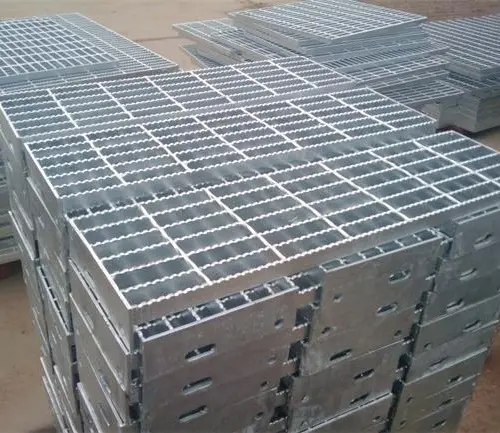
Serrated Steel Grating is a type of metal grating made from bearing bars and cross bars. The main difference is that the top surface of the bearing bars is serrated, meaning it has small teeth or notches designed to increase traction.
It is usually manufactured from carbon steel, galvanized steel, or stainless steel, depending on the application environment. Carbon steel grating is often used in general industrial areas, hot-dip galvanized serrated steel grating is suitable for outdoor or humid environments, and stainless steel serrated grating is preferred where corrosion resistance and hygiene are required.
Common structures include welded steel grating, press-locked steel grating, and swage-locked steel grating. Among them, welded serrated steel grating is frequently used for heavy-duty industrial flooring because it offers strong load-bearing performance and stable structure.
Main Advantages of Serrated Steel Grating
Serrated Steel Grating is selected by many project designers and industrial users because it offers practical benefits in harsh working conditions.
- Improved slip resistance: The serrated surface increases friction between footwear and the grating, helping workers walk more safely in slippery areas.
- High load-bearing strength: Steel bearing bars provide strong support for people, tools, carts, and certain equipment, depending on the bar size and spacing.
- Good drainage and ventilation: The open grid design allows water, oil, dust, snow, and small debris to pass through instead of staying on the walking surface.
- Long service life: With proper surface treatment, such as hot-dip galvanizing, serrated steel grating can resist rust and outdoor weather conditions for a long time.
- Easy installation and maintenance: Panels can be cut, shaped, fixed, or removed according to project needs, which helps reduce construction and maintenance time.
Where Is Serrated Steel Grating Commonly Used?
Serrated Steel Grating is especially useful in areas where ordinary flooring may become unsafe due to moisture, oil, or debris. It is commonly used in:
- Industrial platforms and maintenance walkways
- Stair treads and ladder steps
- Factory floors and equipment access areas
- Drainage trench covers
- Offshore platforms and shipyards
- Chemical plants and wastewater treatment plants
- Mining, cement, and power plant facilities
- Parking ramps and loading areas
In outdoor environments, rain and snow can make flat metal surfaces dangerous. In production environments, oil, dust, and process liquids may create similar problems. The serrated design helps improve grip and provides a more secure walking surface for workers.
Serrated Steel Grating vs. Plain Steel Grating
Both serrated and plain steel grating can be used for flooring, drainage, ventilation, and platform structures. However, their surface performance is different.
Plain steel grating has a smooth top surface and is suitable for dry areas where slip risk is low. It is often used in general platforms, storage areas, fencing, and ventilation covers.
Serrated Steel Grating is better for areas with higher slip risk. The toothed surface provides additional traction, making it suitable for stair treads, outdoor walkways, ramps, wet processing areas, and heavy industrial sites.
When choosing between the two, users should consider the working environment, safety requirements, load capacity, corrosion conditions, and installation location. If workers may face water, oil, mud, or dust on the floor, serrated steel grating is usually the safer option.
Key Factors When Choosing Serrated Steel Grating
Selecting the right Serrated Steel Grating is important because different projects have different load and environmental requirements.
- Material: Carbon steel is cost-effective for general use, galvanized steel is suitable for outdoor environments, and stainless steel works well in corrosive or hygienic areas.
- Bearing bar size: The height and thickness of the bearing bar affect the load capacity of the grating panel.
- Bar spacing: Smaller spacing provides more support and may be better for pedestrian areas, while larger spacing can improve drainage and reduce weight.
- Surface treatment: Hot-dip galvanizing is commonly used to improve corrosion resistance, especially for outdoor platforms and industrial plants.
- Panel size and fixing method: Correct panel dimensions and secure installation help ensure long-term stability and safety.
Before ordering, it is important to confirm the expected load, span direction, installation area, environmental conditions, and whether the grating will be used for pedestrian traffic or heavier applications.
Why Surface Treatment Matters
Steel grating is often exposed to moisture, chemicals, outdoor weather, or industrial pollutants. Without proper protection, ordinary steel can rust over time. For this reason, hot-dip galvanized serrated steel grating is commonly selected for outdoor and industrial projects.
Galvanizing forms a zinc coating on the steel surface, helping protect the grating from corrosion. This can extend service life and reduce maintenance costs. In more demanding environments, stainless steel serrated grating may be used because it offers stronger corrosion resistance and a cleaner appearance.
Installation and Maintenance Tips
Proper installation is essential for the performance of Serrated Steel Grating. Panels should be placed in the correct bearing direction, fixed securely with clips or welding, and supported by a suitable frame structure.
During maintenance, users should check whether the panels are loose, whether the surface is damaged, and whether the coating is worn in high-traffic areas. Cleaning oil, mud, and chemical residue can also help maintain slip resistance and extend the working life of the grating.
Although serrated steel grating is durable, regular inspection is still important for industrial safety management.
Conclusion
Serrated Steel Grating is a practical flooring solution for industrial areas that require strength, drainage, ventilation, and slip resistance. Its toothed surface makes it especially suitable for wet, oily, dusty, and outdoor environments where worker safety is a major concern.
By choosing the right material, bar size, spacing, surface treatment, and installation method, users can get a reliable grating system that supports long-term operation and reduces maintenance pressure. For platforms, stair treads, walkways, ramps, and drainage covers, Serrated Steel Grating remains a strong and safe choice for many industrial projects.
FAQ
1. What is Serrated Steel Grating used for?
Serrated Steel Grating is used for industrial platforms, stair treads, walkways, drainage covers, ramps, and working areas where anti-slip performance and load-bearing strength are required.
2. Is Serrated Steel Grating better than plain steel grating?
Serrated Steel Grating is better for wet, oily, dusty, or outdoor areas because the toothed surface provides better traction. Plain steel grating is more suitable for dry areas with lower slip risk.
3. Can Serrated Steel Grating be used outdoors?
Yes, Serrated Steel Grating can be used outdoors, especially when it is hot-dip galvanized. The galvanized coating helps protect the steel from rust and weather damage.
4. How do I choose the right Serrated Steel Grating?
You should consider the material, bearing bar size, bar spacing, load requirement, surface treatment, installation method, and working environment before selecting Serrated Steel Grating.
Post time: Jun-23-2026