
In modern industrial environments, flooring systems are no longer simple structural components. They are critical safety and performance elements that directly affect productivity, worker protection, and long-term operational costs. Among the many available solutions, heavy duty steel grating stands out as one of the most reliable and widely used materials in demanding industrial applications.
For B2B buyers, engineers, and project managers, understanding the real benefits of heavy duty steel grating is essential for making informed decisions that improve safety, reduce maintenance, and support long-term infrastructure performance.
Why industries rely on heavy duty steel grating
Industrial facilities operate under extreme conditions such as heavy loads, constant vibration, chemical exposure, moisture, and high traffic. Standard flooring materials often fail under these pressures, leading to frequent repairs, safety risks, and production downtime.
Heavy duty steel grating is specifically engineered to overcome these challenges. It provides a strong, open-grid structure that can support heavy loads while maintaining excellent drainage and ventilation. This makes it a preferred solution in industries where durability and safety cannot be compromised.
Superior load-bearing performance
One of the most important benefits of heavy duty steel grating is its exceptional load-bearing capacity.
Unlike light-duty alternatives, heavy duty steel grating is designed with thicker bearing bars and reinforced spacing. This allows it to withstand:
● Heavy machinery and equipment loads
● Forklift and vehicle traffic
● High-frequency pedestrian movement
● Dynamic and impact loads in industrial operations
Because of this strength, it is widely used in factories, warehouses, power plants, and transportation hubs where structural reliability is essential.
Improved workplace safety
Safety is a top priority in industrial environments, and heavy duty steel grating plays a significant role in reducing workplace risks.
● The open-grid structure allows water, oil, and debris to pass through, reducing slip hazards
● Serrated surface options improve traction in wet or oily conditions
● Stable steel construction minimizes deformation and uneven surfaces
● High visibility grid design helps workers identify walking paths clearly
By improving traction and stability, heavy duty steel grating helps reduce workplace accidents and supports compliance with industrial safety standards.
Long service life and durability
Another key advantage is long-term durability. Industrial flooring must withstand continuous stress, harsh environments, and exposure to corrosive substances.
Heavy duty steel grating offers:
● High resistance to bending and deformati
● Strong performance under repeated loading cycles
● Compatibility with protective coatings such as hot-dip galvanizing
● Excellent corrosion resistance when properly treated
Compared to traditional concrete or solid steel plates, it provides a significantly longer service life, reducing replacement frequency and lifecycle costs.
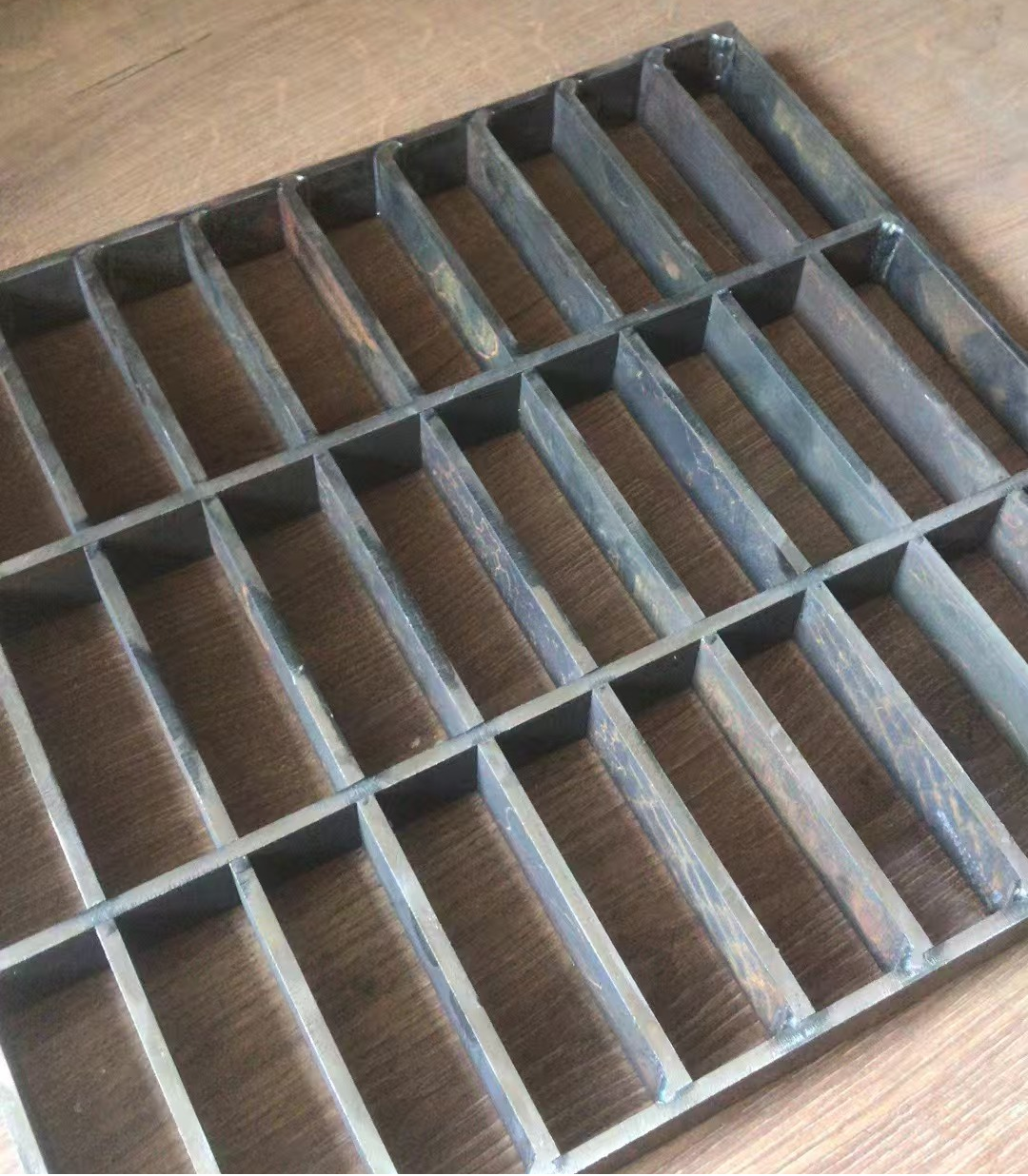
Excellent drainage and ventilation performance
Industrial environments often deal with water, chemicals, oil, and other liquids. Poor drainage can lead to safety hazards and equipment damage.
Heavy duty steel grating solves this issue through its open structure:
● Allows liquids to drain quickly through the grid
● Prevents accumulation of hazardous substances on walking surfaces
● Improves airflow and ventilation in enclosed industrial areas
● Reduces cleaning time and maintenance effort
This makes it especially suitable for outdoor platforms, offshore facilities, and processing plants.
Reduced maintenance and operational costs
From a B2B perspective, lifecycle cost is often more important than initial purchase price. Heavy duty steel grating helps reduce total operating costs in several ways:
● Minimal surface maintenance required due to open structure
● Easy inspection of underlying structures without dismantling
● Individual sections can be replaced without affecting the entire system
● Reduced downtime due to fewer repairs and failures
These advantages make it a cost-efficient solution for large-scale industrial projects.
Versatile industrial applications
Heavy duty steel grating is widely used across multiple industries due to its flexibility and performance:
● Power generation plants for platforms and maintenance walkways
● Oil and gas facilities for offshore and onshore structures
● Manufacturing plants for heavy equipment areas
● Mining operations for high-impact environments
● Municipal infrastructure for bridges, drainage covers, and walkways
● Shipyards and marine environments exposed to saltwater corrosion
Its adaptability makes it suitable for both new construction and renovation projects.
Material and surface treatment options
To meet different environmental requirements, heavy duty steel grating is available in multiple material configurations:
● Carbon steel for general industrial use
● Hot-dip galvanized steel for corrosion resistance in outdoor environments
● Stainless steel for chemical, food, and marine applications
● Optional coatings for additional protection and extended lifespan
Choosing the right material ensures optimal performance and long-term reliability in specific working conditions.
Installation efficiency and structural flexibility
Heavy duty steel grating is also valued for its ease of installation and structural adaptability.
● Modular design allows quick installation on-site
● Lightweight compared to solid steel plates with similar strength
● Can be cut or customized to fit complex structures
● Compatible with various support frameworks and steel structures
This flexibility reduces installation time and engineering complexity, especially in large industrial projects.
Compliance with industrial standards
Modern industrial facilities must meet strict safety and engineering regulations. Heavy duty steel grating supports compliance by:
● Providing stable and load-rated walking surfaces
● Meeting anti-slip requirements when serrated designs are used
● Supporting fire-resistant and high-temperature environments
● Aligning with international industrial safety standards
This ensures safer workplaces and reduces regulatory risks for businesses.
Conclusion
Heavy duty steel grating is a critical component in modern industrial infrastructure. Its combination of high load capacity, durability, safety performance, and cost efficiency makes it an essential solution for demanding environments.
For B2B buyers, the benefits extend beyond immediate performance. It delivers long-term operational value by reducing maintenance costs, improving workplace safety, and ensuring structural reliability across diverse industrial applications. As industries continue to prioritize efficiency and safety, heavy duty steel grating remains one of the most dependable and widely adopted flooring solutions.
FAQ:
Q1: What makes heavy duty steel grating different from standard grating?
It uses thicker bearing bars and stronger construction to support higher loads and more demanding industrial conditions.
Q2: Where is heavy duty steel grating commonly used?
It is used in power plants, factories, mining sites, marine structures, and industrial platforms.
Q3: Is heavy duty steel grating suitable for outdoor environments?
Yes, especially when galvanized or made from stainless steel for corrosion resistance.
Q4: Does it require high maintenance?
No, its open structure and durable materials significantly reduce maintenance requirements.
Post time: Apr-14-2026