
In modern industrial facilities, infrastructure projects, and commercial buildings, platform systems play a critical role in providing safe access, supporting equipment, and facilitating maintenance operations. As industries continue to demand stronger, safer, and more cost-effective structural solutions, steel grating platforms have become one of the most widely used options across a variety of sectors.
Unlike solid steel plates or concrete surfaces, steel grating platforms offer a unique combination of strength, ventilation, drainage capability, and long-term durability. Their open-grid design not only reduces overall structural weight but also improves workplace safety and operational efficiency. For engineers, contractors, and procurement managers, understanding the benefits of steel grating platforms can help optimize project performance while controlling lifecycle costs.
What Is a Steel Grating Platform?
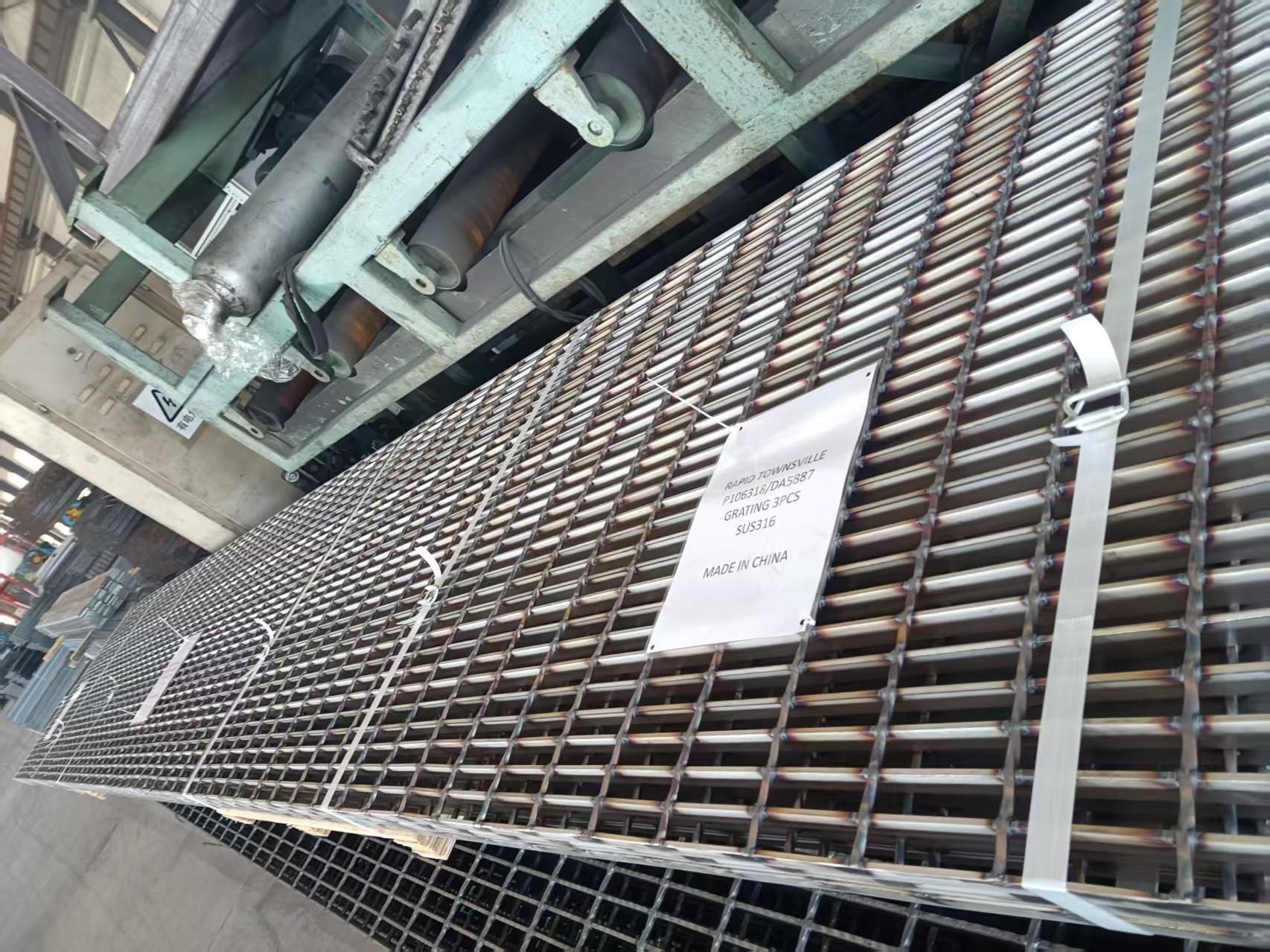
A steel grating platform is a structural walking or working surface constructed from steel grating panels that are supported by beams, frames, or steel structures. The grating is typically manufactured by welding or press-locking bearing bars and cross bars together to create a strong and durable load-bearing surface.
Because of its open-grid construction, a steel grating platform allows light, air, water, and debris to pass through, making it especially suitable for industrial environments where cleanliness, drainage, and safety are important considerations.
Steel grating platforms can be customized in terms of load capacity, panel size, surface treatment, and material selection to meet the requirements of different industries and applications.
Why Are Steel Grating Platforms Widely Used in Industrial Facilities?
Industrial environments often involve heavy equipment, constant foot traffic, exposure to harsh weather, and demanding operational conditions. Traditional flooring systems may struggle to balance strength, safety, and maintenance efficiency under these circumstances.
Steel grating platforms address these challenges by offering several practical advantages:
● They provide excellent load-bearing performance while reducing overall structural weight, which can lower support structure requirements and construction costs.
● Their open-grid design allows rainwater, oil, dust, and debris to pass through the surface rather than accumulating, helping maintain safer working conditions.
● They improve ventilation and light transmission within industrial facilities, reducing moisture buildup and enhancing workplace visibility.
● They can be manufactured in modular sections, allowing faster installation and easier future modifications.
● They require relatively low maintenance compared with many alternative platform materials.
Key Benefits of Steel Grating Platforms
The popularity of steel grating platforms is largely driven by their ability to deliver multiple operational and economic benefits throughout the lifespan of a project.
Superior Strength-to-Weight Ratio
One of the most important advantages of steel grating platforms is their ability to support substantial loads while maintaining a relatively lightweight structure.
● The open-grid design reduces material consumption without sacrificing structural performance.
● Lower platform weight can decrease transportation costs and simplify installation.
● Reduced dead load can contribute to more efficient structural designs.
Enhanced Workplace Safety
Safety remains one of the primary reasons many industrial operators choose steel grating platforms.
● Anti-slip surface options such as serrated bearing bars provide additional traction in wet, oily, or hazardous environments.
● Open spaces in the grating reduce standing water accumulation that may otherwise create slip hazards.
● Strong load-bearing performance helps maintain structural stability under heavy use.
Excellent Drainage and Ventilation
Many industrial environments require efficient management of water, chemicals, and airborne particles.
● Rainwater can quickly drain through the platform surface.
● Ventilation is improved, helping control moisture and heat buildup.
● Debris accumulation is minimized, reducing cleaning requirements.
Long Service Life
When properly manufactured and protected, steel grating platforms can provide decades of reliable service.
● Hot-dip galvanized finishes offer outstanding corrosion protection in outdoor environments.
● Stainless steel options provide additional resistance in marine and chemical applications.
● Durable construction minimizes repair and replacement frequency.
Common Industries That Use Steel Grating Platforms
Steel grating platforms are used in a broad range of industries due to their versatility and adaptability.
Oil and Gas Facilities
Oil refineries, offshore platforms, and petrochemical plants frequently use steel grating platforms because they provide excellent drainage and help maintain safe working surfaces under demanding conditions.
Power Generation Plants
Power stations require extensive platform systems around turbines, boilers, and maintenance areas where durability and accessibility are essential.
Water and Wastewater Treatment Plants
The corrosion-resistant properties of galvanized and stainless steel grating make these platforms highly suitable for water treatment facilities.
Manufacturing Facilities
Factories often install steel grating platforms around production lines, equipment stations, and elevated walkways to improve worker access and safety.
Mining Operations
Mining environments demand strong platform systems capable of handling heavy loads while allowing dirt and water to pass through efficiently.
Material and Surface Treatment Options
Selecting the appropriate material is essential for ensuring long-term platform performance.
Carbon Steel Grating Platforms
Carbon steel remains one of the most economical options and is widely used in general industrial applications.
● High structural strength
● Cost-effective manufacturing
● Suitable for indoor and controlled environments
Hot-Dip Galvanized Steel Grating Platforms
Galvanized grating is one of the most common choices for outdoor installations.
● Excellent corrosion resistance
● Long service life
● Reduced maintenance requirements
Stainless Steel Grating Platforms
Stainless steel is preferred when maximum corrosion resistance is required.
● Ideal for marine and coastal environments
● Suitable for food processing facilities
● Resistant to chemicals and aggressive cleaning agents
How Steel Grating Platforms Help Reduce Long-Term Costs
Although initial material costs are important, many project owners focus increasingly on total lifecycle cost rather than upfront price alone.
● Reduced maintenance requirements help lower operational expenses.
● Longer service life decreases replacement frequency.
● Modular construction simplifies repairs and future expansions.
● Improved drainage and safety can reduce accident-related costs.
● Efficient installation can shorten project schedules and lower labor expenses.
Conclusion
Steel grating platforms have become an essential component in modern industrial and infrastructure projects because they combine structural strength, safety, durability, and cost efficiency within a single solution. Their ability to support heavy loads while providing excellent drainage, ventilation, and corrosion resistance makes them suitable for a wide variety of demanding environments.
For B2B buyers, contractors, and engineers, investing in a well-designed steel grating platform can significantly improve operational performance, reduce maintenance costs, and enhance workplace safety. As industries continue to prioritize reliability and long-term value, steel grating platforms will remain a preferred choice for access systems and elevated working structures worldwide.
FAQ
1. What is the primary purpose of a steel grating platform?
A steel grating platform provides a durable and load-bearing walking or working surface while allowing drainage, ventilation, and easy maintenance access.
2. Are steel grating platforms suitable for outdoor environments?
Yes, especially when hot-dip galvanized or stainless steel materials are used, as they offer excellent corrosion resistance and long-term durability.
3. How much load can a steel grating platform support?
The load capacity depends on bearing bar size, spacing, material grade, and support structure design, allowing platforms to be customized for light-duty or heavy-duty applications.
4. Which industries commonly use steel grating platforms?
Industries such as oil and gas, power generation, water treatment, manufacturing, mining, transportation, and infrastructure development frequently use steel grating platforms.
Post time: Jun-04-2026