
In modern industrial construction, platform systems, and infrastructure projects, engineers and procurement teams are increasingly looking for flooring solutions that combine structural strength, installation efficiency, and long-term durability. Among the various options available, plug-in steel grating has emerged as a highly practical solution that simplifies installation while maintaining excellent load-bearing performance and safety standards.
Unlike traditional welded or permanently fixed grating systems, plug-in steel grating is designed with a modular connection structure that allows components to be assembled and installed with minimal on-site fabrication. This characteristic makes it particularly suitable for large-scale industrial projects where speed, precision, and maintainability are critical requirements.
What is plug-in steel grating in industrial applications
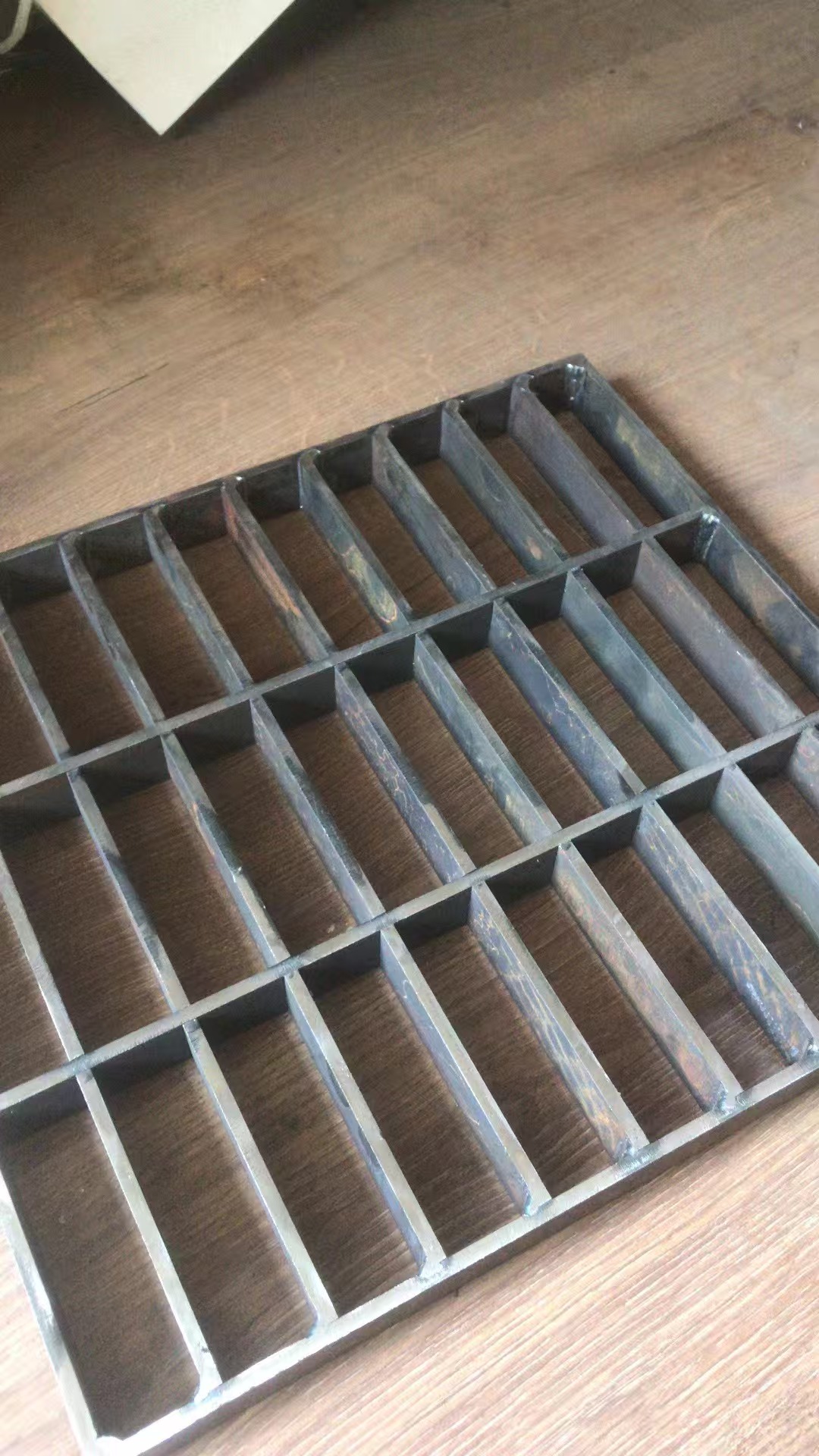
Plug-in steel grating is a type of prefabricated steel flooring system that uses a modular interlocking or insertion-based connection method to fix grating panels onto supporting structures without requiring extensive welding or permanent fastening during installation.
The system typically consists of load-bearing steel bars and cross bars that form a grid structure, which is then designed with plug-in slots, connectors, or support frames that allow the grating panels to be directly inserted and securely locked into position.
This structural design allows installers to rapidly assemble flooring systems while maintaining strong mechanical stability and load distribution performance across industrial platforms, walkways, and maintenance areas.
Why plug-in steel grating is gaining popularity in engineering projects
In traditional steel grating installations, welding or bolting processes are often required, which can increase installation time, labor cost, and on-site complexity. Plug-in steel grating eliminates many of these challenges by introducing a system that focuses on modularity and pre-engineered installation compatibility.
This approach significantly improves construction efficiency while reducing dependency on skilled welding labor, making it especially valuable in projects with tight schedules or remote installation environments.
● It simplifies installation by allowing direct placement of grating panels into pre-designed support frames
● It reduces the need for on-site welding, cutting, or heavy fabrication work
● It improves consistency in installation quality across large-scale projects
● It shortens project timelines by accelerating flooring system assembly
● It enhances compatibility with prefabricated steel structure systems
Key structural advantages of plug-in steel grating
The engineering design of plug-in steel grating focuses on combining mechanical strength with installation convenience, making it suitable for demanding industrial environments where both performance and efficiency are required.
● High load-bearing capacity with stable structural distribution, as the interconnected grid design ensures uniform stress transfer across the entire platform system
● Modular installation system that improves construction flexibility, allowing grating panels to be installed, replaced, or repositioned without major structural modification
● Reduced installation complexity in confined or elevated spaces, where traditional welding operations may be difficult or unsafe to perform
● Improved maintenance accessibility for long-term operation, as individual panels can be removed and replaced without dismantling the entire structure
● Enhanced compatibility with different support structures, including steel frames, trench systems, and industrial platforms
Typical application scenarios of plug-in steel grating
Plug-in steel grating is widely used in industrial, commercial, and infrastructure environments where durability and installation efficiency are both important considerations.
● Industrial production facilities where elevated walkways and maintenance platforms require fast installation and reliable structural performance
● Power plants and energy facilities where equipment platforms must support heavy loads while allowing easy maintenance access
● Chemical and processing plants where corrosion resistance and replaceable flooring systems are essential for operational safety
● Municipal infrastructure projects such as drainage platforms, service walkways, and inspection corridors
● Warehouses and logistics centers where modular flooring systems improve operational efficiency and structural adaptability
● Offshore and marine environments where rapid installation and corrosion-resistant materials are required
Material options and surface treatment solutions
The performance of plug-in steel grating depends heavily on material selection and surface treatment, which determine its suitability for different environmental conditions and load requirements.
● Carbon steel plug-in grating is commonly used in general industrial applications where cost efficiency and structural strength are the primary considerations
● Hot-dip galvanized steel grating provides enhanced corrosion resistance for outdoor, humid, or chemically exposed environments, making it suitable for long-term infrastructure use
● Stainless steel plug-in grating is preferred in marine, chemical, and high-corrosion environments where maximum durability and hygiene performance are required
● Anti-slip surface treatment options such as serrated bars or coated finishes can be applied to improve safety performance in wet or high-traffic areas
How plug-in steel grating improves project efficiency
From a construction and project management perspective, plug-in steel grating provides significant advantages in terms of installation speed, labor reduction, and system flexibility.
● It reduces reliance on skilled welding labor, which helps lower overall construction costs
● It accelerates installation timelines by enabling rapid assembly of modular flooring systems
● It improves coordination between prefabrication and on-site installation processes
● It reduces downtime in industrial facilities during maintenance or system upgrades
● It allows flexible replacement of damaged or worn panels without major structural disruption
Why B2B buyers prefer plug-in steel grating solutions
For contractors, engineers, and procurement teams, plug-in steel grating offers a balanced combination of technical performance and commercial value that aligns with modern industrial project requirements.
● It provides consistent quality across large-scale installations through prefabricated manufacturing standards
● It reduces total lifecycle costs by simplifying maintenance and replacement procedures
● It supports customizable design requirements for different industrial applications
● It improves safety compliance by ensuring stable and uniform walking surfaces
● It integrates easily with modern steel structure systems and modular construction methods
Conclusion
Plug-in steel grating represents a modern evolution in industrial flooring systems, offering a combination of structural reliability, installation efficiency, and long-term maintainability. Its modular plug-in design significantly reduces construction complexity while maintaining strong load-bearing performance, making it suitable for a wide range of industrial and infrastructure applications.
For B2B buyers and engineering contractors, selecting plug-in steel grating is not only a technical decision but also a strategic investment in construction efficiency, operational safety, and lifecycle cost optimization. As industrial construction continues to move toward modular and prefabricated systems, plug-in steel grating will continue to play an increasingly important role in future engineering projects.
FAQ:
Q1: What is plug-in steel grating used for?
It is used as a modular industrial flooring system for platforms, walkways, and maintenance structures that require fast installation and strong load-bearing performance.
Q2: How is plug-in steel grating different from welded grating?
Unlike welded grating, it uses a plug-in or interlocking system that reduces the need for on-site welding and simplifies installation.
Q3: What materials are available for plug-in steel grating?
Common materials include carbon steel, hot-dip galvanized steel, and stainless steel depending on environmental requirements.
Q4: Is plug-in steel grating suitable for heavy-duty applications?
Yes, it can be engineered to support heavy industrial loads depending on design specifications and support structure configuration.
Post time: Jun-02-2026