
In modern steel structure construction, infrastructure development, and industrial facility engineering, reliable connection and anchoring systems are critical for ensuring long-term structural stability and safety performance. Among the many embedded components used in construction, the angle steel embedded part plays an important role in providing strong anchorage support, accurate positioning, and durable connection between concrete structures and steel elements.
For B2B buyers, contractors, and engineering designers, understanding how this component works and where it should be applied is essential for improving project quality, reducing installation risks, and ensuring compliance with engineering standards.
What is an angle steel embedded part in construction systems
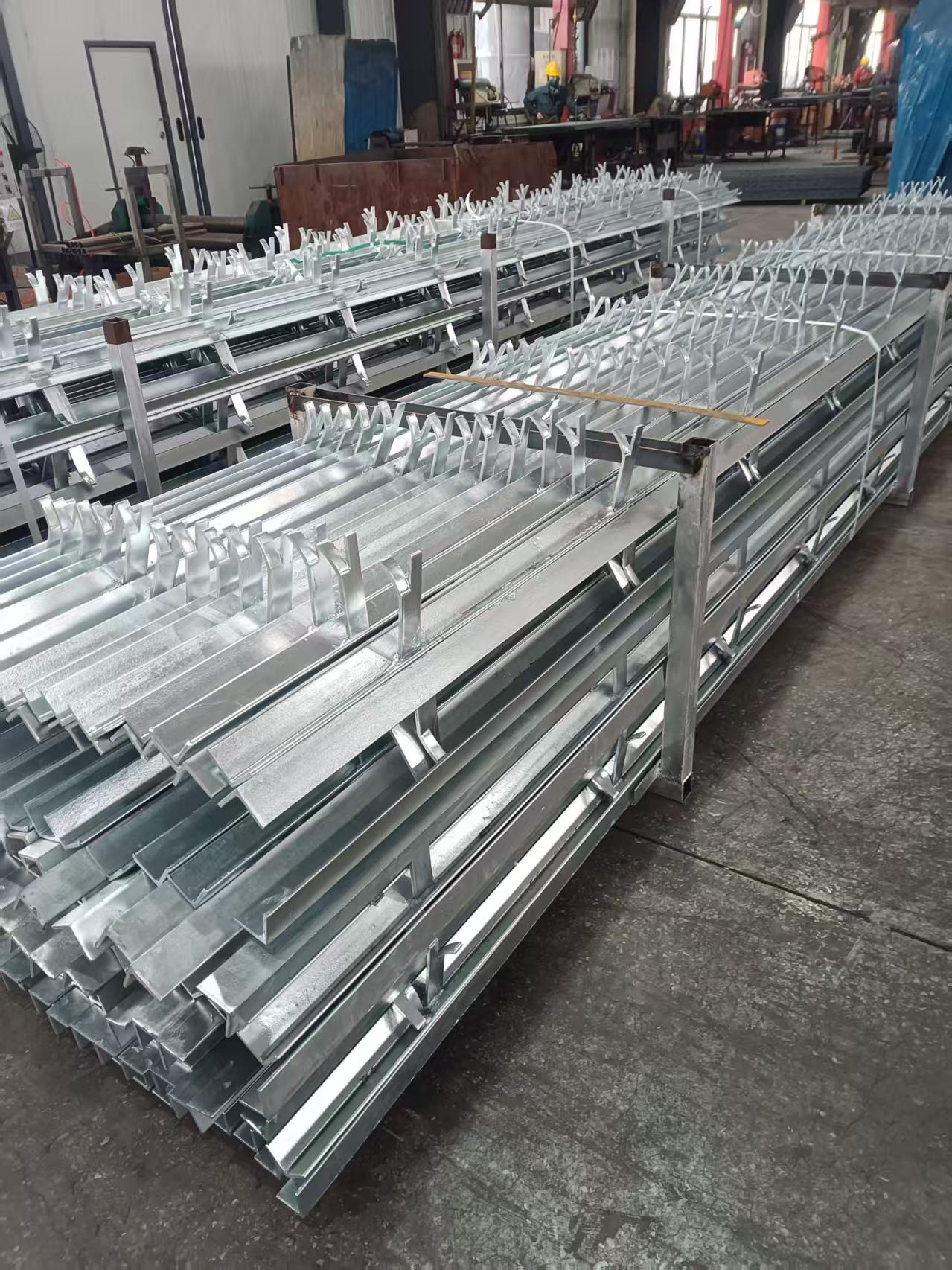
An angle steel embedded part is a prefabricated structural component made from L-shaped steel, which is embedded into concrete structures during the pouring stage to serve as a connection point for later installation of steel structures, mechanical equipment, or architectural components.
The L-shaped geometry provides excellent mechanical stability, allowing the embedded part to transfer loads effectively between concrete and steel systems. Once installed and properly anchored, it becomes a permanent structural interface that supports welding, bolting, or fastening operations in subsequent construction stages.
In most engineering applications, this component is designed according to specific load requirements, structural drawings, and project conditions to ensure precise positioning and long-term durability.
Why angle steel embedded parts are widely used in engineering projects
In construction environments, structural connections between concrete and steel often require highly reliable anchoring solutions that can withstand both static and dynamic loads. The angle steel embedded part is widely used because it provides a stable, pre-positioned connection interface that significantly improves construction efficiency and structural accuracy.
Instead of drilling or modifying concrete structures after curing, embedded angle steel components allow engineers to pre-plan connection points during the casting phase, which reduces errors and improves overall project coordination.
● It provides a stable anchoring point directly integrated into concrete structures during pouring
● It eliminates the need for post-construction drilling or chemical anchoring in many applications
● It ensures accurate positioning for steel structure installation and alignment
● It improves load transfer efficiency between concrete and steel systems
● It reduces installation time and improves on-site construction efficiency
Key structural advantages of angle steel embedded parts
The engineering value of angle steel embedded parts lies in their ability to provide both structural strength and installation flexibility within complex construction environments.
● High structural stability under load conditions as the L-shaped steel design distributes stress efficiently across the concrete interface, reducing localized pressure concentration
● Strong anchoring performance within reinforced concrete systems because embedded reinforcement bars or anchor rods ensure long-term bonding and resistance against pull-out forces
● Improved installation accuracy for steel structures since pre-embedded positioning eliminates alignment issues during later construction stages
● Enhanced durability in harsh environments including industrial plants, outdoor infrastructure, and high-moisture conditions when combined with protective coatings such as hot-dip galvanizing
● Compatibility with multiple connection methods such as welding, bolting, or hybrid fastening systems depending on project requirements
Typical application scenarios in construction and industry
Angle steel embedded parts are widely used across different sectors where reliable structural connections are required between concrete foundations and steel components.
● Industrial steel structure buildings where heavy equipment platforms and structural frames require stable anchoring points
● Bridge engineering projects where steel components must be securely connected to concrete piers or abutments
● Power plant construction where heavy machinery and structural supports require high-strength embedded connection systems
● High-rise building projects where curtain wall systems, steel supports, and mechanical installations depend on precise anchoring
● Municipal infrastructure such as tunnels, drainage systems, and underground facilities where durable embedded connections are required
● Mechanical and equipment installation projects where heavy loads must be transferred safely into concrete foundations
Material selection and manufacturing considerations
The performance of angle steel embedded parts depends heavily on material selection, fabrication quality, and surface treatment methods used during production.
● Carbon steel materials are commonly used due to their high strength and cost efficiency, making them suitable for general construction projects
● Hot-dip galvanized steel is often used in outdoor or humid environments where corrosion resistance is required for long-term durability
● Stainless steel materials are selected for highly corrosive environments such as chemical plants, marine structures, or coastal infrastructure projects
● Precision welding and reinforcement processing ensure structural integrity and proper load transfer between embedded steel and concrete
Proper manufacturing standards are essential to ensure that the embedded part performs reliably under long-term mechanical and environmental stress.
Installation process and engineering considerations
Correct installation of angle steel embedded parts is critical to ensure structural safety and long-term performance in real-world applications.
● Embedded parts must be accurately positioned before concrete pouring to ensure alignment with design drawings
● Temporary fixing methods should be used during installation to prevent displacement during concrete vibration and curing
● Welding points and reinforcement bars must be inspected to ensure structural integrity before pouring concrete
● Load direction and force distribution must be considered during design to avoid uneven stress concentration
● Final inspection should be conducted after concrete curing to verify positioning accuracy and structural reliability
How angle steel embedded parts improve project efficiency
From a construction management perspective, angle steel embedded parts significantly improve overall project efficiency by reducing on-site adjustments and simplifying structural connections.
● They reduce post-construction modification work by eliminating the need for drilling or chemical anchoring
● They shorten installation time for steel structures by providing pre-aligned connection points
● They improve coordination between concrete construction teams and steel installation teams
● They reduce structural errors caused by manual alignment during later construction stages
● They enhance overall project scheduling efficiency by streamlining installation processes
Why B2B buyers prefer angle steel embedded parts
For engineering contractors, procurement teams, and industrial buyers, angle steel embedded parts provide both technical and economic advantages that make them a preferred choice in modern construction projects.
● They ensure consistent structural quality across large-scale projects
● They reduce labor costs associated with post-installation adjustments
● They improve safety by providing reliable load-bearing connections
● They support customization based on project-specific engineering requirements
● They are compatible with international construction standards and design codes
Conclusion
The angle steel embedded part is a critical structural component in modern construction and industrial engineering systems, providing a reliable interface between concrete structures and steel elements. Its ability to deliver strong anchoring performance, precise positioning, and long-term durability makes it an essential solution in a wide range of engineering applications.
For B2B buyers and project engineers, selecting high-quality embedded angle steel components not only improves structural safety and installation efficiency but also reduces long-term maintenance costs and construction risks. As infrastructure projects continue to demand higher precision and durability, this component will remain an important part of modern structural engineering systems.
FAQ:
Q1: What is the main function of an angle steel embedded part?
It is used to provide a pre-installed anchoring point in concrete structures for connecting steel components securely.
Q2: Where is it commonly used?
It is widely used in industrial buildings, bridges, power plants, infrastructure projects, and mechanical installations.
Q3: What materials are commonly used?
Common materials include carbon steel, hot-dip galvanized steel, and stainless steel depending on environmental conditions.
Q4: Is it suitable for heavy-load applications?
Yes, it is designed to transfer and support heavy structural loads when properly engineered and installed.
Post time: May-28-2026