
In modern infrastructure and industrial construction, effective drainage and protection of underground systems are critical to ensuring safety and long-term performance. Open trenches without proper covering can create hazards, disrupt operations, and increase maintenance costs. This is why a well-designed trench cover is not just an accessory but a core component in engineering projects.
For B2B buyers, contractors, and engineers, selecting the right trench cover solution means improving safety, extending service life, and optimizing operational efficiency across a wide range of applications.
What is a trench cover and why it matters
A trench cover is a structural element used to cover drainage channels, cable trenches, and utility ducts. It provides a protective layer while still allowing water, air, or debris to pass through when required. This dual function makes it essential in both industrial and municipal environments.
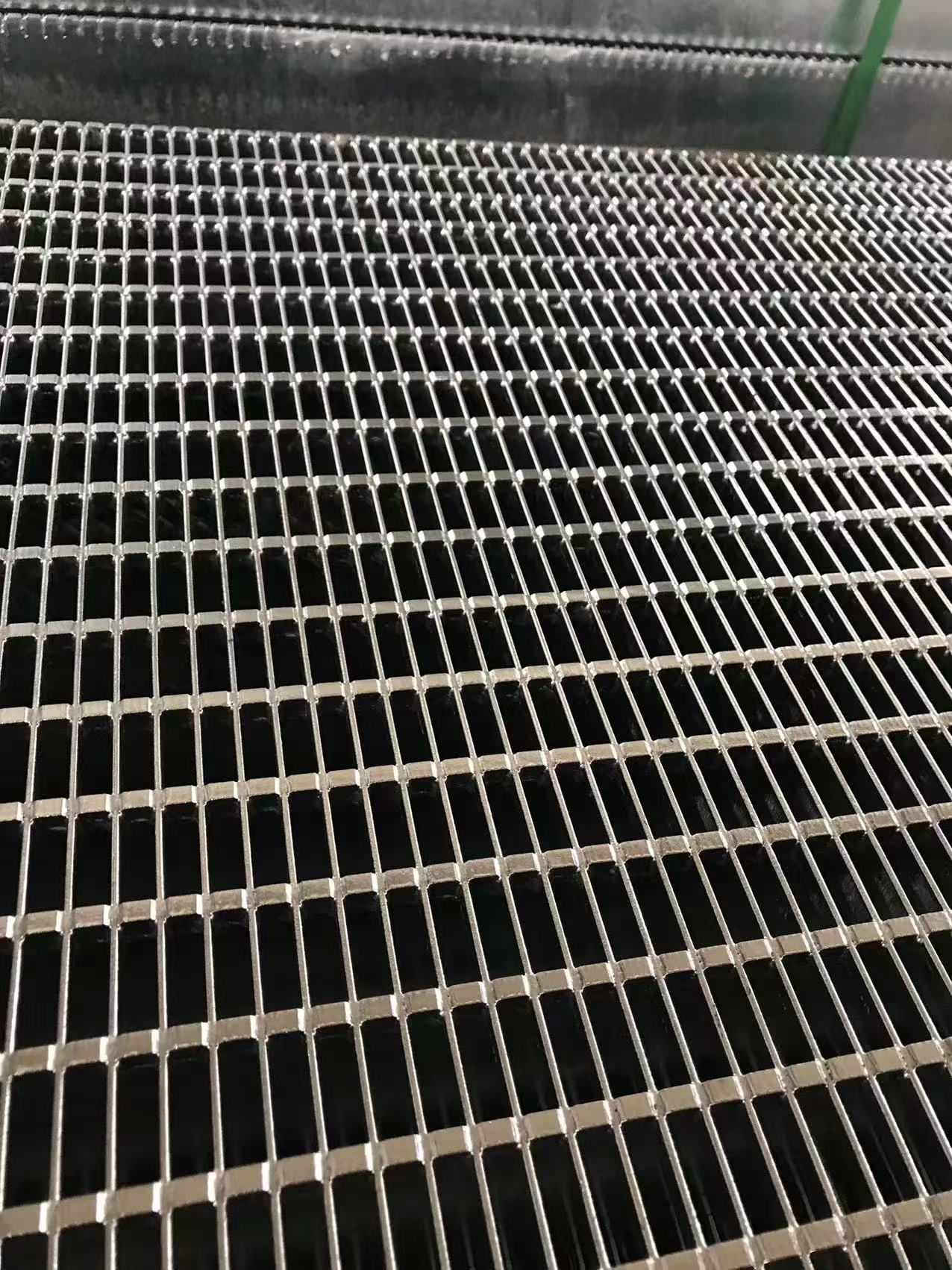
Unlike sealed surfaces, trench covers often feature grid or slotted designs that improve drainage and reduce the risk of water accumulation. At the same time, they provide a stable surface for pedestrians, vehicles, and equipment.
Key benefits of trench covers in industrial and municipal projects
● Improved safety for people and equipment
Trench covers eliminate open gaps and create a secure surface, reducing the risk of falls or equipment damage
● Efficient drainage capability
Open designs allow water to flow through quickly, preventing flooding and water accumulation
● High load-bearing performance
Engineered to handle various loads, from pedestrian traffic to heavy industrial vehicles
● Protection of underground infrastructure
Covers shield cables, pipelines, and drainage systems from external impact and environmental damage
● Durability in harsh conditions
Constructed from strong materials, trench covers resist wear, corrosion, and long-term exposure
● Reduced maintenance effort
The structure minimizes debris buildup, making cleaning and inspection easier
Common types of trench cover systems
Different environments require different trench cover designs, and selecting the right type is essential for performance:
● Steel grating trench covers
Widely used in industrial settings due to their strength and excellent drainage performance
● Solid metal trench covers
Provide full coverage for applications requiring complete sealing or heavy-duty protection
● Composite trench covers
Lightweight and corrosion-resistant, suitable for specialized applications
● Slotted or decorative trench covers
Used in urban and commercial environments where both function and appearance are important
Each type serves a specific purpose depending on load requirements and environmental conditions.
Material options and performance considerations
Material selection directly affects the durability and functionality of trench covers:
● Carbon steel
Offers high strength and cost efficiency for general industrial use
● Hot-dip galvanized steel
Provides strong corrosion resistance for outdoor and wet environments
● Stainless steel
Ideal for highly corrosive or hygienic environments such as chemical plants
● Composite materials
Deliver lightweight performance with resistance to corrosion and chemicals
Choosing the right material ensures long-term reliability and reduced maintenance costs.
Applications across industries
Trench covers are widely used in various sectors due to their versatility:
● Industrial facilities for drainage systems and cable management
● Municipal infrastructure such as roads, sidewalks, and stormwater systems
● Airports and transportation hubs for surface drainage
● Warehouses and logistics centers for loading zones
● Power plants and utility networks for protecting underground systems
● Commercial buildings for integrated drainage and architectural solutions
Their adaptability makes them essential for both new construction and retrofit projects.
Design considerations for optimal performance
To achieve maximum efficiency, trench covers must be designed according to project-specific requirements:
● Load ratings should match expected traffic conditions
● Bar spacing or slot size should balance drainage efficiency and safety
● Anti-slip features should be included in high-risk areas
● Panel dimensions should allow easy installation and maintenance
● Environmental factors such as corrosion and temperature must be considered
Proper design ensures that the trench cover system performs reliably over time.
Installation and maintenance best practices
Correct installation and regular maintenance are key to long-term performance:
● Ensure proper alignment within trench frames
● Secure covers using appropriate fastening systems
● Maintain level surfaces to prevent tripping hazards
● Inspect regularly for wear, corrosion, or damage
● Clean debris to maintain effective drainage
Following these practices helps extend service life and maintain safety standards.
Conclusion
Trench covers play a vital role in modern industrial and municipal systems by combining safety, durability, and functionality. By selecting the appropriate type, material, and design, B2B buyers can ensure reliable drainage performance, protect infrastructure, and reduce long-term costs. As infrastructure demands continue to grow, trench cover systems remain an essential and dependable solution.
FAQ:
Q1: What is the main function of a trench cover?
It covers drainage or utility trenches while allowing water flow and providing a safe surface for traffic.
Q2: Which material is best for trench covers?
Hot-dip galvanized steel is commonly used, while stainless steel is suitable for highly corrosive environments.
Q3: Can trench covers handle heavy loads?
Yes, depending on design specifications, they can support pedestrian, vehicular, or industrial loads.
Q4: How often should trench covers be maintained?
They require minimal maintenance, with periodic inspection and cleaning to ensure optimal performance.
Post time: Apr-23-2026