
In industrial and commercial environments, stairways are critical access points that directly impact worker safety and operational efficiency. Slippery steps, structural wear, and poor drainage can quickly lead to accidents, downtime, and increased maintenance costs. This is why stair treads steel bar gratings have become a preferred solution for projects that demand safety, durability, and long-term reliability.
For B2B buyers, engineers, and contractors, selecting the right stair tread system is not just about meeting basic requirements. It is about ensuring consistent performance, reducing risk, and optimizing lifecycle costs across demanding working conditions.
What are stair treads steel bar gratings and why they matter
Stair treads steel bar gratings are prefabricated grating panels specifically designed for stair applications. They are typically made from load-bearing flat bars combined with cross bars, forming a rigid grid structure that provides both strength and drainage.
Unlike solid steel steps, these grating treads allow water, oil, and debris to pass through the surface, significantly reducing the risk of slipping. Many designs also include serrated edges or anti-slip features to further enhance traction, making them ideal for industrial environments.
Key benefits for industrial and commercial use
● Enhanced slip resistance for worker safety
Serrated surfaces increase friction, helping prevent slips in wet, oily, or dusty conditions
● Strong load-bearing performance
Designed to withstand heavy foot traffic and industrial usage without deformation
● Excellent drainage capability
Open-grid design allows liquids and debris to pass through, keeping surfaces cleaner and safer
● Long service life and durability
High-strength steel materials resist wear, impact, and harsh environmental conditions
● Corrosion resistance for outdoor applications
Hot-dip galvanizing or stainless steel options protect against rust and extend lifespan
● Ease of installation and replacement
Prefabricated treads can be quickly installed and replaced individually when needed
Common applications across industries
Stair treads steel bar gratings are widely used in industries where safety and durability are essential:
● Industrial plants and manufacturing facilities
● Oil and gas platforms exposed to liquids and extreme conditions
● Power plants and energy facilities
● Wastewater treatment plants with constant moisture exposure
● Marine and offshore structures affected by saltwater
● Commercial and municipal infrastructure such as pedestrian stairways
These applications highlight the importance of reliable and safe stair systems in various environments.
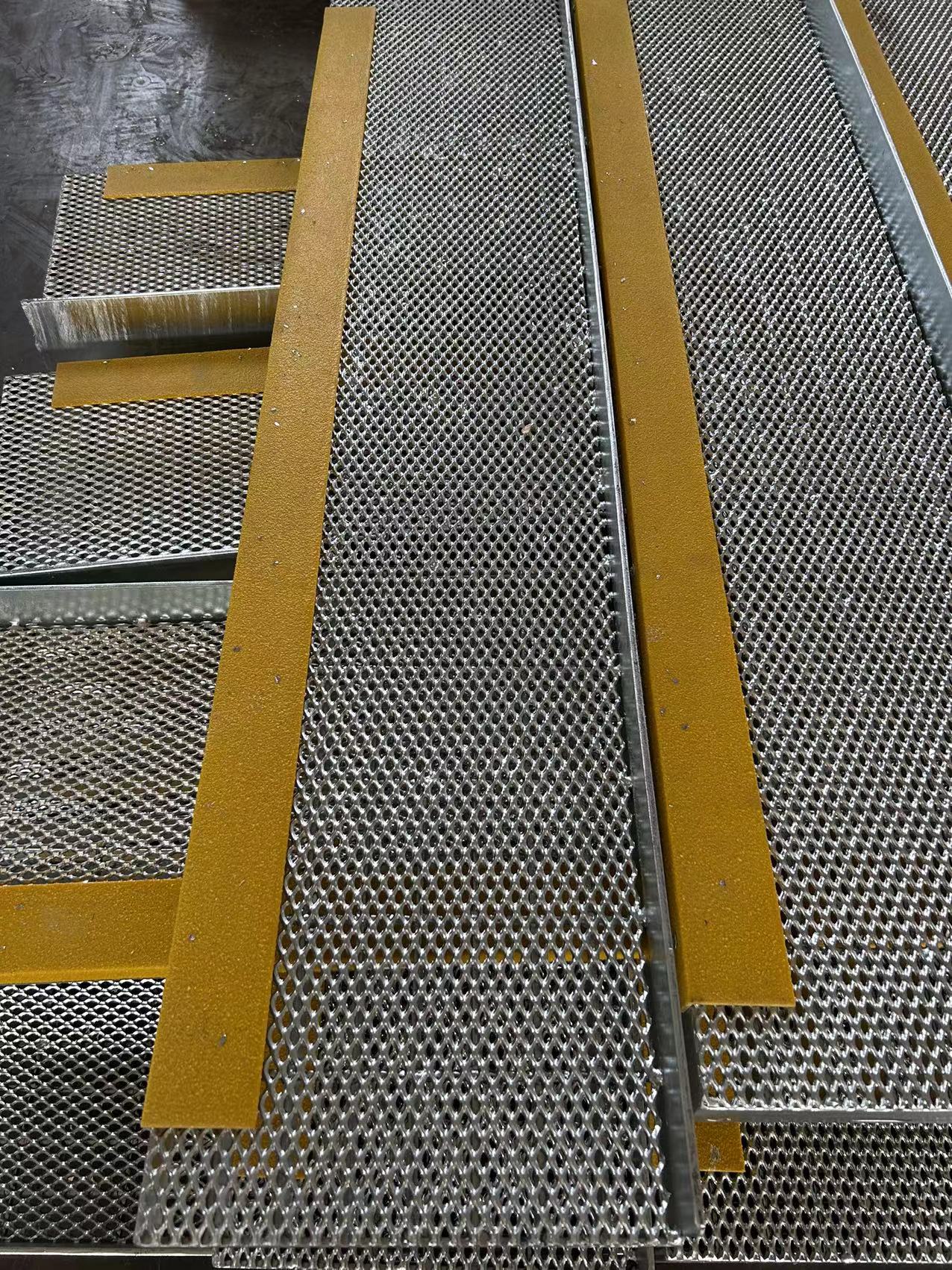
Material options and surface treatments
Selecting the appropriate material is critical for ensuring long-term performance:
● Carbon steel
A cost-effective option suitable for general indoor applications
● Hot-dip galvanized steel
Provides excellent corrosion resistance for outdoor and humid environments
● Stainless steel
Ideal for highly corrosive or hygienic environments such as chemical or food processing facilities
● Surface enhancements
Serrated edges, anti-slip coatings, and nosing plates can improve safety and visibility
The right combination of material and surface treatment ensures optimal performance in specific conditions.
Design considerations for optimal performance
To maximize effectiveness, stair treads steel bar gratings should be designed with real usage conditions in mind:
● Load requirements should match expected traffic and usage
● Bar spacing should balance comfort and drainage efficiency
● Anti-slip features should be included in high-risk areas
● Nosing design should improve step visibility and safety
● Dimensions should align with stair structure and installation requirements
Careful design ensures compliance with safety standards and enhances user experience.
Installation and maintenance best practices
Proper installation and maintenance are essential for long-term reliability:
● Ensure accurate alignment with stair stringers
● Use secure fastening systems to prevent movement
● Maintain level and stable installation to avoid tripping hazards
● Conduct regular inspections for wear or corrosion
● Keep surfaces clear of excessive debris to maintain performance
These practices help extend service life and maintain safety standards.
Addressing common B2B buyer concerns
B2B buyers often face challenges when selecting stair systems, and steel bar grating treads address these concerns effectively:
● Safety risks are reduced through anti-slip design and stable structure
● Durability issues are minimized with high-strength materials
● Maintenance costs are lowered due to open-grid design
● Installation efficiency is improved with prefabricated panels
● Long-term value is achieved through extended service life
These advantages make them a strategic choice for industrial projects.
Why B2B buyers prefer steel bar grating stair treads
From a procurement perspective, stair treads steel bar gratings offer strong value:
● Improve workplace safety and reduce accident-related costs
● Perform reliably in harsh and high-traffic environments
● Require minimal maintenance compared to solid steps
● Support customization for different project requirements
● Align with industrial safety and engineering standards
These benefits make them a reliable and cost-effective investment.
Conclusion
Stair treads steel bar gratings provide a practical and high-performance solution for industrial and commercial stair systems. By combining slip resistance, durability, and efficient drainage, they ensure safer access in challenging environments. For B2B buyers, choosing the right material, design, and installation approach can significantly improve safety, reduce maintenance costs, and enhance long-term operational efficiency. As safety standards continue to evolve, steel grating stair treads remain an essential component in modern infrastructure.
FAQ:
Q1: What makes steel bar grating stair treads safer than solid steps?
Their open-grid and serrated design improve traction and reduce liquid accumulation, lowering slip risks.
Q2: Are they suitable for outdoor use?
Yes, especially when made from galvanized or stainless steel for corrosion resistance.
Q3: Can they support heavy industrial traffic?
Yes, depending on the design, they can handle high foot traffic and industrial loads.
Q4: How long do steel grating stair treads last?
With proper material selection and maintenance, they can last for decades in industrial environments.
Post time: Apr-28-2026