
In many industrial and commercial projects, not every application requires heavy-duty structural solutions. For areas with moderate load requirements, flexibility, and cost control become more important than maximum strength. This is where light steel grating provides an ideal balance between performance, efficiency, and affordability.
For B2B buyers, contractors, and engineers, selecting the right type of steel grating is crucial to optimizing both budget and functionality. Light steel grating offers a practical solution for projects that demand reliability without overengineering.
What is light steel grating?
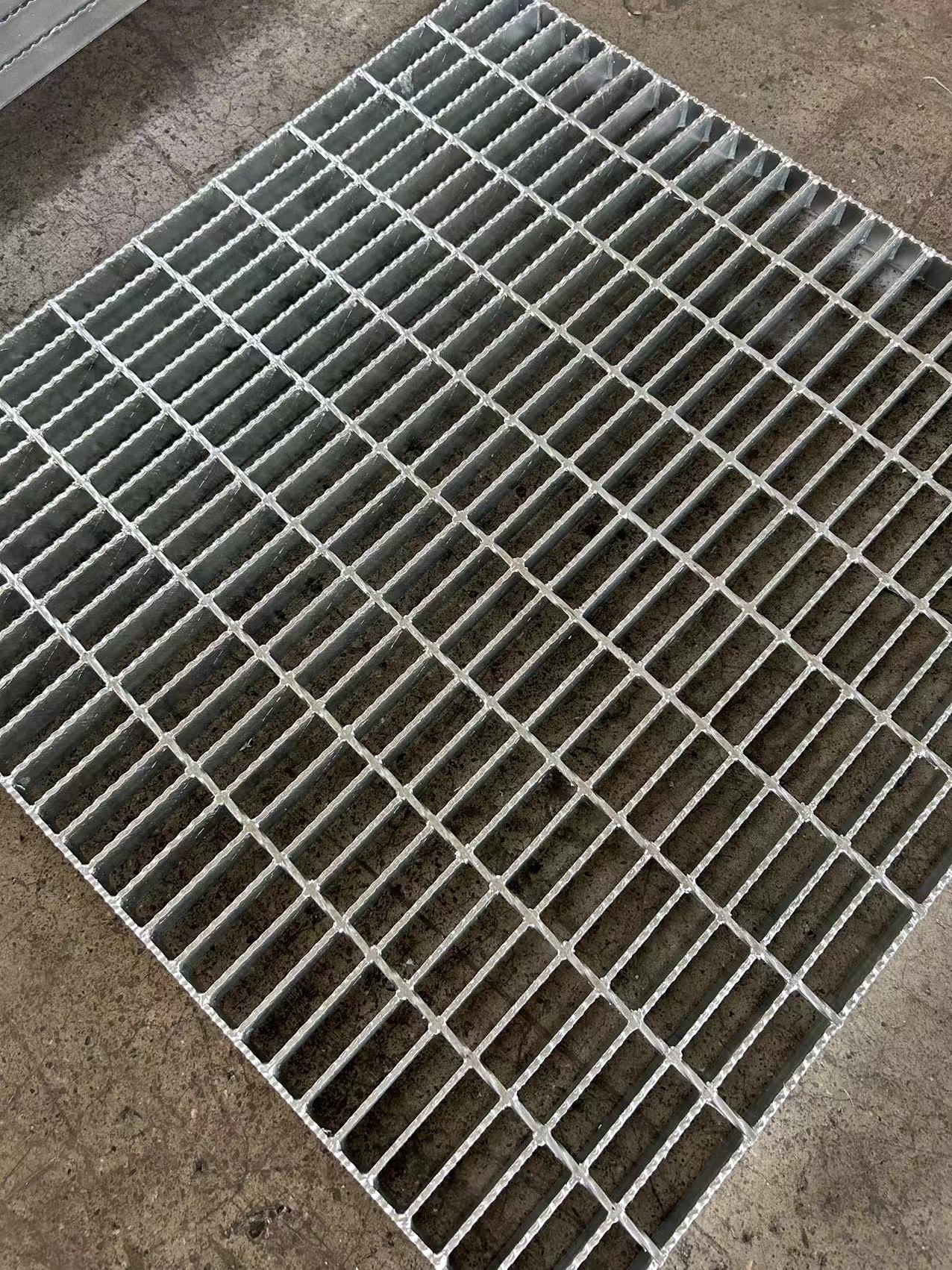
Light steel grating is a type of steel grating designed for applications with lower load requirements compared to heavy-duty grating systems. It is typically manufactured using thinner bearing bars and lighter cross bars, forming an open-grid structure that maintains strength while reducing weight.
Despite its lighter construction, it still delivers essential features such as load support, drainage, and ventilation. This makes it suitable for pedestrian walkways, access platforms, and other areas where extreme loads are not expected.
Why light steel grating is widely used
Many industrial projects do not require heavy-duty materials, and using them unnecessarily can increase costs and complicate installation. Light steel grating is widely adopted because it addresses several practical concerns:
● It reduces material costs while maintaining structural performance
● It simplifies transportation and handling due to its lower weight
● It allows faster installation, reducing labor requirements
● It provides sufficient strength for pedestrian and light-duty applications
● It improves overall project efficiency without compromising safety
These advantages make it a preferred choice in cost-sensitive and efficiency-driven projects.
Key performance benefits
Light steel grating offers multiple benefits that make it suitable for a wide range of applications:
● Optimized weight-to-strength ratio
It delivers reliable performance while minimizing material usage, making it both efficient and economical.
● Good drainage and ventilation
The open-grid structure allows water, dust, and debris to pass through, preventing accumulation and improving airflow.
● Easy installation and handling
Lighter panels are easier to transport, position, and install, especially in projects with limited access or tight schedules.
● Reduced structural load
Lower weight reduces stress on supporting structures, which is particularly beneficial in renovation or lightweight construction projects.
● Flexible design options
Available in different bar sizes, spacing, and panel dimensions to match specific project needs.
These benefits contribute to improved project efficiency and reduced overall costs.
Typical applications in industry
Light steel grating is commonly used in areas where moderate strength and high efficiency are required:
● Pedestrian walkways in industrial and commercial buildings
● Maintenance platforms for equipment access
● Mezzanine floors in warehouses and factories
● Ventilation covers in mechanical systems
● Decorative architectural elements in modern buildings
● Drainage covers in low-load environments
Its versatility makes it suitable for both industrial and architectural applications.
Material options and surface treatments
To meet different environmental conditions, light steel grating can be produced using various materials:
● Carbon steel
A cost-effective option for indoor or controlled environments.
● Hot-dip galvanized steel
Provides corrosion resistance for outdoor or humid conditions.
● Stainless steel
Used in environments requiring hygiene or resistance to chemicals, such as food processing or laboratories.
● Coated finishes
Painted or powder-coated surfaces can enhance durability and improve appearance.
Selecting the appropriate material ensures optimal performance and extends service life.
Design considerations for buyers
When choosing light steel grating, it is important to focus on actual usage conditions rather than general specifications:
● Evaluate expected load levels to ensure adequate strength
● Choose appropriate bar spacing for safety and comfort
● Consider environmental exposure such as moisture or chemicals
● Plan panel sizes for efficient installation and replacement
● Balance cost and performance to avoid unnecessary overdesign
These considerations help buyers achieve the best value for their investment.
Installation and maintenance advantages
Light steel grating offers practical benefits during installation and long-term use:
● Lightweight panels reduce installation time and labor effort
● Modular design allows quick replacement of damaged sections
● Open structure minimizes debris accumulation
● Easy inspection of underlying systems without removal
● Lower maintenance frequency compared to solid flooring
These factors contribute to reduced downtime and improved operational efficiency.
Safety and compliance
Even though it is designed for lighter applications, light steel grating still meets essential safety requirements:
● Provides stable walking surfaces for personnel
● Can be combined with anti-slip designs if required
● Supports compliance with industrial safety standards
● Performs reliably in both indoor and outdoor environments
Proper specification ensures safe and effective use in a wide range of settings.
Why B2B buyers choose light steel grating
From a procurement perspective, light steel grating delivers clear advantages:
● Lower initial cost compared to heavy-duty alternatives
● Reduced transportation and installation expenses
● Adequate performance for non-heavy-duty applications
● Flexible customization options
● Long-term cost efficiency with minimal maintenance
These benefits make it an attractive option for projects that prioritize efficiency and cost control.
Conclusion
Light steel grating is a practical and efficient solution for industrial and commercial applications that do not require heavy-duty performance. By offering a balance of strength, lightweight design, and cost efficiency, it helps B2B buyers optimize project budgets while maintaining safety and functionality.
When properly selected and installed, light steel grating delivers reliable long-term performance, making it a valuable component in modern construction and industrial systems.
FAQ:
Q1: What is the main difference between light and heavy steel grating?
Light steel grating uses thinner bars and is designed for lower load applications, while heavy-duty grating supports higher loads.
Q2: Where is light steel grating typically used?
It is commonly used for walkways, platforms, mezzanines, and ventilation covers in industrial and commercial settings.
Q3: Is light steel grating suitable for outdoor use?
Yes, especially when treated with galvanization or made from corrosion-resistant materials.
Q4: Does light steel grating require frequent maintenance?
No, its open design and durable materials help minimize maintenance requirements.
Post time: Apr-17-2026