
Heavy Duty Steel Grating is designed for working environments where ordinary flooring materials cannot provide enough strength, durability, or long-term stability. It is commonly used in heavy industrial platforms, vehicle access areas, loading zones, drainage covers, bridge walkways, power plants, ports, mining sites, and manufacturing facilities.
Unlike light-duty grating used mainly for pedestrian traffic, heavy duty steel grating is built with stronger bearing bars, wider load capacity, and a more robust structure. For projects that involve forklifts, maintenance vehicles, heavy equipment, frequent impact, or large-span flooring, choosing the right heavy duty grating is essential for safety and performance.
Heavy Duty Steel Grating for Demanding Working Conditions
In many industrial sites, floor systems must do more than allow people to walk safely. They may need to support rolling loads, static equipment loads, repeated vibration, outdoor weather, oil contamination, water drainage, and high-frequency operation. Heavy duty steel floor grating is made for these demanding conditions.
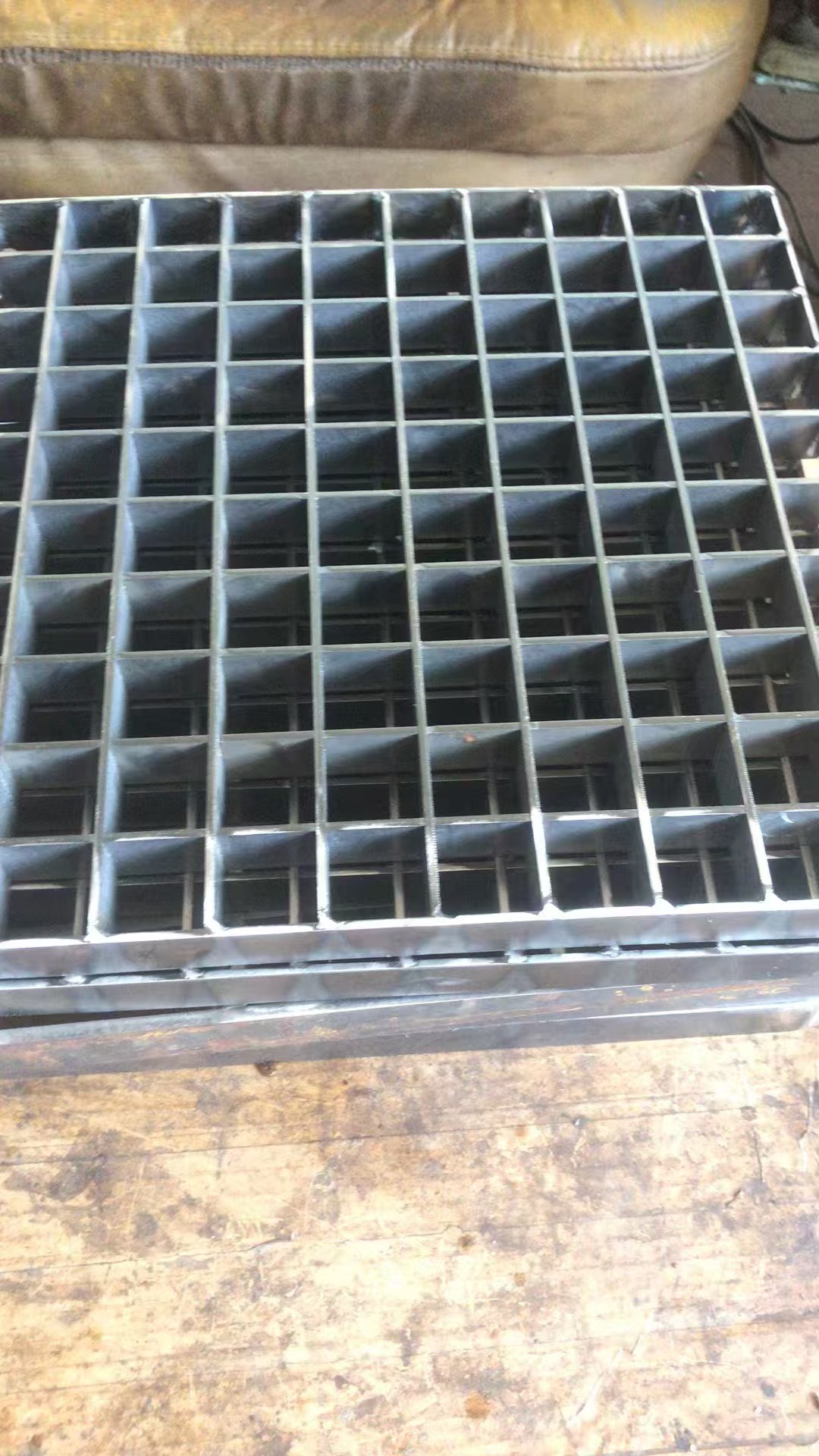
The strength of heavy duty steel grating mainly comes from its bearing bars. These bars carry the main load and transfer pressure to the supporting structure. When the bearing bar height, thickness, spacing, and span direction are correctly designed, the grating can provide stable support for heavy applications.
This is why load bearing steel grating is often used in areas where safety risks are higher and failure is not acceptable. A properly selected grating panel can reduce deformation, improve access safety, and support long-term industrial operation.
Common Applications of Heavy Duty Steel Grating
Heavy duty steel grating is widely used across industries because it combines high strength with open-grid drainage and ventilation.
Typical applications include:
- Industrial platforms: Used in factories, refineries, power stations, and chemical plants where equipment access and worker movement are required.
- Loading areas: Suitable for zones where forklifts, carts, or maintenance vehicles may pass through regularly.
- Drainage trench covers: Heavy duty grating allows water and debris to pass through while supporting vehicle or equipment loads.
- Ports and shipyards: Used in docks, ramps, access bridges, and heavy-duty walkways exposed to moisture and outdoor conditions.
- Mining and cement plants: Suitable for harsh environments with dust, vibration, and heavy mechanical operation.
- Wastewater treatment facilities: The open structure supports drainage, inspection access, and corrosion-resistant surface options.
- Bridge and road access areas: Heavy duty grating panels can be used where strength, drainage, and long service life are required.
These applications show that heavy duty steel grating is not only a flooring product but also an important structural access component in many industrial systems.
Why Load Capacity Is the Core Factor
When selecting Heavy Duty Steel Grating, load capacity is always one of the most important factors. The grating must be able to carry the expected load without unsafe bending, movement, or structural damage.
There are several load types to consider:
- Pedestrian load: Workers walking across platforms, walkways, and stairs.
- Static load: Equipment, machines, storage materials, or fixed structures placed on the grating.
- Rolling load: Forklifts, carts, small vehicles, or maintenance equipment moving across the surface.
- Impact load: Sudden force caused by dropped tools, equipment movement, or vibration.
A grating panel that is suitable for pedestrian use may not be suitable for vehicle traffic. For this reason, bearing bar size, spacing, panel span, support distance, and fixing method must be matched with the actual working conditions.
Material Options for Heavy Duty Grating
The material of heavy duty steel grating affects its strength, corrosion resistance, maintenance requirements, and service life.
Carbon steel is often used for general heavy-duty industrial applications because it provides strong mechanical performance and can be processed into different grating specifications.
Hot-dip galvanized heavy duty grating is a common choice for outdoor projects. The zinc coating helps protect the steel surface from rust, rain, humidity, and certain industrial environments. It is often used for platforms, drainage covers, walkways, and outdoor access systems.
Stainless steel heavy duty grating is suitable for corrosive or hygiene-sensitive environments, such as chemical plants, food processing areas, water treatment facilities, and coastal projects. Although the cost is higher, stainless steel provides better corrosion resistance in demanding conditions.
The best material depends on the installation environment, expected service life, maintenance plan, and project budget.
Heavy Duty Steel Grating vs. Standard Steel Grating
Standard steel grating and heavy duty steel grating may look similar at first glance, but their design focus is different.
Standard steel grating is usually used for pedestrian walkways, platforms, stair treads, and general drainage covers. It is suitable for lighter loads and normal industrial use.
Heavy duty steel grating is designed for stronger loads, larger spans, vehicle traffic, or harsh working environments. It usually has thicker or deeper bearing bars, stronger edge support, and more demanding load design.
If the application involves forklifts, maintenance vehicles, heavy machinery, high traffic, or repeated impact, heavy duty steel grating is usually the better choice. Using standard grating in a heavy-duty area may lead to deformation, noise, loose panels, surface damage, or safety problems over time.
Surface Treatment and Anti-Slip Design
Surface treatment is important because heavy duty steel grating is often installed in outdoor or industrial environments. Hot-dip galvanizing is widely used because it creates a protective zinc layer on the steel surface. This helps improve corrosion resistance and reduce maintenance frequency.
For walking areas exposed to water, oil, mud, or dust, anti-slip design should also be considered. Serrated heavy duty steel grating can provide better traction than plain surface grating. It is especially useful for ramps, stair access areas, maintenance platforms, and outdoor walkways.
In some projects, additional edge bars, toe plates, or safety fixing clips may be required to improve installation stability and protect workers during daily use.
How to Choose Heavy Duty Steel Floor Grating
Choosing the right Heavy Duty Steel Grating requires more than selecting a product name. Before placing an order, users should confirm the real working conditions.
Important selection points include:
- Expected load type and load weight
- Whether vehicles or forklifts will pass over the grating
- Span direction and support distance
- Bearing bar height and thickness
- Cross bar spacing and panel opening size
- Indoor, outdoor, wet, corrosive, or high-temperature environment
- Surface treatment requirements
- Anti-slip requirements
- Panel size, edge type, and installation method
For large industrial projects, it is better to confirm drawings and technical requirements before production. Accurate design helps ensure the grating panels match the supporting structure and perform safely in long-term use.
Long-Term Value in Industrial Projects
Heavy duty steel grating may have a higher initial cost than lighter flooring options, but it often delivers better long-term value. Its open-grid design reduces water accumulation, supports ventilation, and allows debris to fall through. Its steel structure provides strength for demanding applications, while galvanized or stainless steel options help extend service life.
In heavy-load environments, choosing a stronger grating system from the beginning can reduce replacement frequency, improve safety, and lower maintenance pressure. For industrial buyers, project contractors, and facility managers, heavy duty steel grating is a practical investment in operational reliability.
Conclusion
Heavy Duty Steel Grating is a reliable solution for high-load industrial flooring, drainage covers, platforms, access walkways, loading areas, and vehicle traffic zones. With stronger bearing bars, suitable material options, proper surface treatment, and accurate load design, it can perform well in demanding industrial environments.
Whether used as galvanized heavy duty grating for outdoor platforms, load bearing steel grating for vehicle access, or industrial steel grating for factory flooring, the key is to match the grating specification with the real application. When properly selected and installed, heavy duty steel grating provides strength, safety, drainage, and long service life for demanding projects.
FAQ
1. What is Heavy Duty Steel Grating used for?
Heavy Duty Steel Grating is used for industrial platforms, loading areas, drainage trench covers, vehicle access zones, ports, mining sites, power plants, and other areas that require high load-bearing strength.
2. What is the difference between heavy duty steel grating and standard steel grating?
Heavy duty steel grating is designed for higher loads, larger spans, vehicle traffic, and harsh industrial environments, while standard steel grating is mainly used for pedestrian walkways and lighter applications.
3. Can heavy duty steel grating support forklifts or vehicles?
Yes, heavy duty steel grating can be designed to support forklifts, carts, maintenance vehicles, or other rolling loads, but the bearing bar size, spacing, span, and support structure must be selected according to the actual load.
4. Is galvanized heavy duty steel grating suitable for outdoor use?
Yes, galvanized heavy duty steel grating is commonly used outdoors because the zinc coating helps improve corrosion resistance and extends service life in rain, humidity, and industrial environments.
Post time: Jun-30-2026