
In modern wastewater infrastructure, efficiency, safety, and long-term sustainability have become the core priorities for plant designers, engineers, and operators. As sewage treatment systems grow more complex and performance-driven, every structural component must contribute to smooth operation and reduced lifecycle cost. Among these components, sewage treatment plant steel grating plays an essential role in building reliable access systems, improving operational safety, and supporting continuous maintenance activities.
Rather than being a simple flooring material, steel grating has evolved into a critical infrastructure element that integrates structural strength with functional performance, making wastewater facilities safer, more efficient, and easier to manage over time.
What Is Sewage Treatment Plant Steel Grating and Why Is It Important?
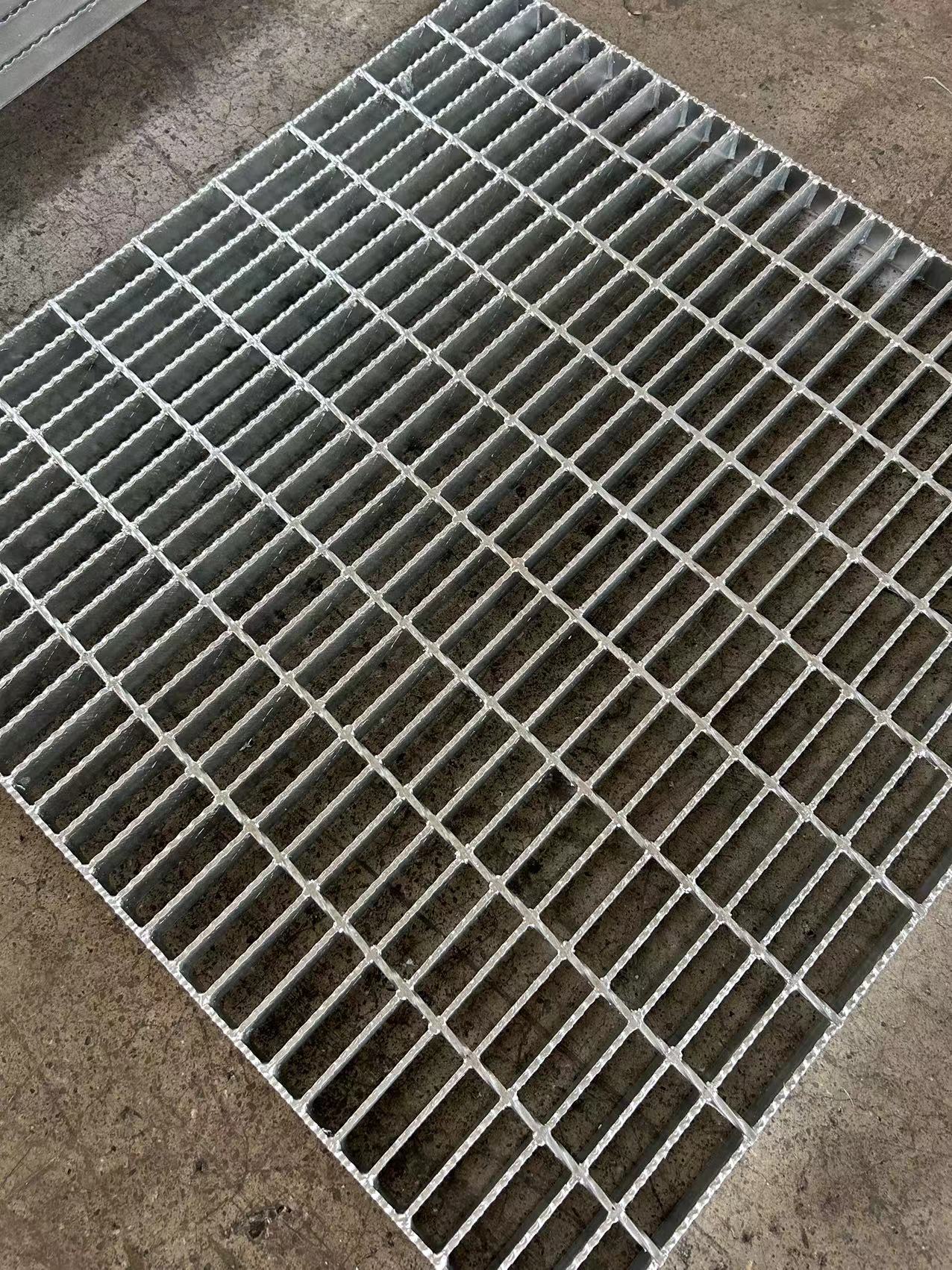
Sewage treatment plant steel grating is a specially engineered metal grid system designed for installation in wastewater treatment facilities, including walkways, platforms, trench covers, and maintenance access areas. It is typically manufactured using load-bearing steel bars and cross bars, forming a strong yet open structure that supports industrial environments with high humidity and continuous operation.
Its importance lies in its ability to combine multiple functional requirements into one system, including load-bearing performance, drainage capability, ventilation, and operator safety.
● It provides stable access for operators across tanks, channels, and processing units
● It supports equipment maintenance activities with reliable structural strength
● It enhances overall plant layout efficiency through modular installation design
● It improves environmental performance by allowing natural drainage and airflow
Enhancing Operational Efficiency in Wastewater Facilities
One of the most significant advantages of steel grating in sewage treatment plants is its contribution to operational efficiency. Modern facilities are designed to minimize downtime and maximize continuous processing capacity, and structural systems must support this goal.
● Modular steel grating panels allow quick installation and system expansion without interrupting plant operations
● Open-grid design reduces cleaning requirements by preventing surface accumulation
● Easy access structures improve inspection speed and maintenance workflow efficiency
● Lightweight construction simplifies transportation and handling during installation
By improving accessibility and reducing maintenance complexity, steel grating directly supports smoother daily operations and higher productivity levels in wastewater treatment systems.
Improving Safety Standards in Industrial Water Treatment Plants
Safety is a key priority in any sewage treatment environment, where operators frequently work near wet surfaces, elevated platforms, and mechanical systems. Steel grating significantly improves workplace safety by providing stable and reliable walking surfaces.
● Anti-slip surface options help ensure secure footing in wet operating conditions
● Open structure reduces the risk of water accumulation on walkways
● Strong load-bearing design ensures stability for both personnel and maintenance equipment
● Clearly defined platform systems help organize safe movement routes within the facility
These features contribute to a safer working environment and help facilities meet modern industrial safety standards more effectively.
Supporting Long-Term Durability and Infrastructure Stability
Sustainability in wastewater infrastructure is not only about environmental impact but also about long-term structural performance. Steel grating is designed to provide consistent durability under continuous use conditions.
● Hot-dip galvanized steel grating offers long-lasting protection for outdoor and high-humidity environments
● Stainless steel options provide enhanced performance in chemically intensive areas
● Structural integrity remains stable even under frequent load changes and maintenance cycles
● Modular design allows damaged sections to be replaced without full system reconstruction
This durability ensures that sewage treatment facilities can operate reliably for many years with minimal structural intervention.
Optimizing Plant Design Through Flexible Engineering Solutions
Modern wastewater treatment plants are highly customized systems, and steel grating supports this flexibility by adapting to a wide range of engineering requirements.
● Can be manufactured in different sizes and load ratings based on project specifications
● Compatible with various support structures such as steel frames, concrete channels, and modular platforms
● Suitable for both small municipal systems and large industrial treatment facilities
● Easily integrated into new construction or facility upgrades
This flexibility allows engineers to design more efficient layouts that improve both functionality and operational flow.
Key Application Areas in Sewage Treatment Facilities
Steel grating is widely used throughout wastewater treatment plants, supporting both structural and operational functions across multiple zones.
● Access platforms around sedimentation and aeration tanks
● Maintenance walkways for pumps, valves, and mechanical equipment
● Trench and drainage covers for channel systems
● Chemical dosing and processing areas requiring safe access structures
● Elevated inspection platforms for monitoring equipment performance
Each application benefits from the combination of strength, drainage capability, and ease of maintenance provided by steel grating systems.
Material Options for Different Performance Requirements
To meet diverse operational conditions, sewage treatment plant steel grating is available in several material configurations.
● Carbon steel grating offers strong structural performance for general applications
● Hot-dip galvanized steel provides excellent corrosion protection for humid environments
● Stainless steel is ideal for high-performance zones with chemical exposure requirements
● Surface treatments such as serrated or coated finishes enhance safety and durability
Selecting the right material ensures optimal performance and long-term value for each specific area of the plant.
Enhancing Lifecycle Value and Reducing Maintenance Effort
Beyond installation benefits, steel grating contributes significantly to reducing total lifecycle costs in wastewater treatment projects.
● Long service life reduces the need for frequent replacement
● Modular structure simplifies maintenance and inspection processes
● Reduced cleaning effort improves operational efficiency
● Durable construction minimizes unexpected downtime
● Standardized design helps streamline spare parts management
These advantages make steel grating a cost-effective and sustainable choice for modern infrastructure investment.
Conclusion
Sewage treatment plant steel grating is a fundamental component of modern wastewater infrastructure, delivering value far beyond basic structural support. It enhances operational efficiency, improves safety standards, and contributes to long-term durability in demanding industrial environments.
For engineers, contractors, and facility operators, steel grating represents a reliable and flexible solution that supports both current operational needs and future expansion requirements. As wastewater treatment systems continue to evolve toward higher efficiency and sustainability, steel grating will remain a key enabling technology in building safer, smarter, and more efficient facilities worldwide.
FAQ
1. What is the main role of steel grating in sewage treatment plants?
It provides safe access platforms, supports maintenance operations, and improves drainage and ventilation throughout the facility.
2. Why is steel grating considered efficient for wastewater facilities?
Because it combines structural strength with lightweight design and modular installation, making operations and maintenance more efficient.
3. What materials are commonly used in sewage treatment steel grating systems?
Common materials include carbon steel, hot-dip galvanized steel, and stainless steel depending on environmental requirements.
4. Is steel grating suitable for both new and existing wastewater plants?
Yes, it can be used in both new construction projects and facility upgrades due to its flexible modular design.
Post time: Jun-16-2026