
In industrial construction and infrastructure projects, structural reliability depends not only on major steel components but also on the hidden support systems that connect and reinforce them. One of the most important yet often overlooked components is the angle steel embedded part. These embedded elements play a critical role in ensuring secure installation, long-term stability, and efficient load transfer in steel structures, concrete systems, and industrial platforms.
For B2B buyers, contractors, and engineers, understanding the performance advantages and application value of angle steel embedded parts is essential for improving construction quality, reducing installation problems, and extending the service life of industrial projects.
What are angle steel embedded parts?
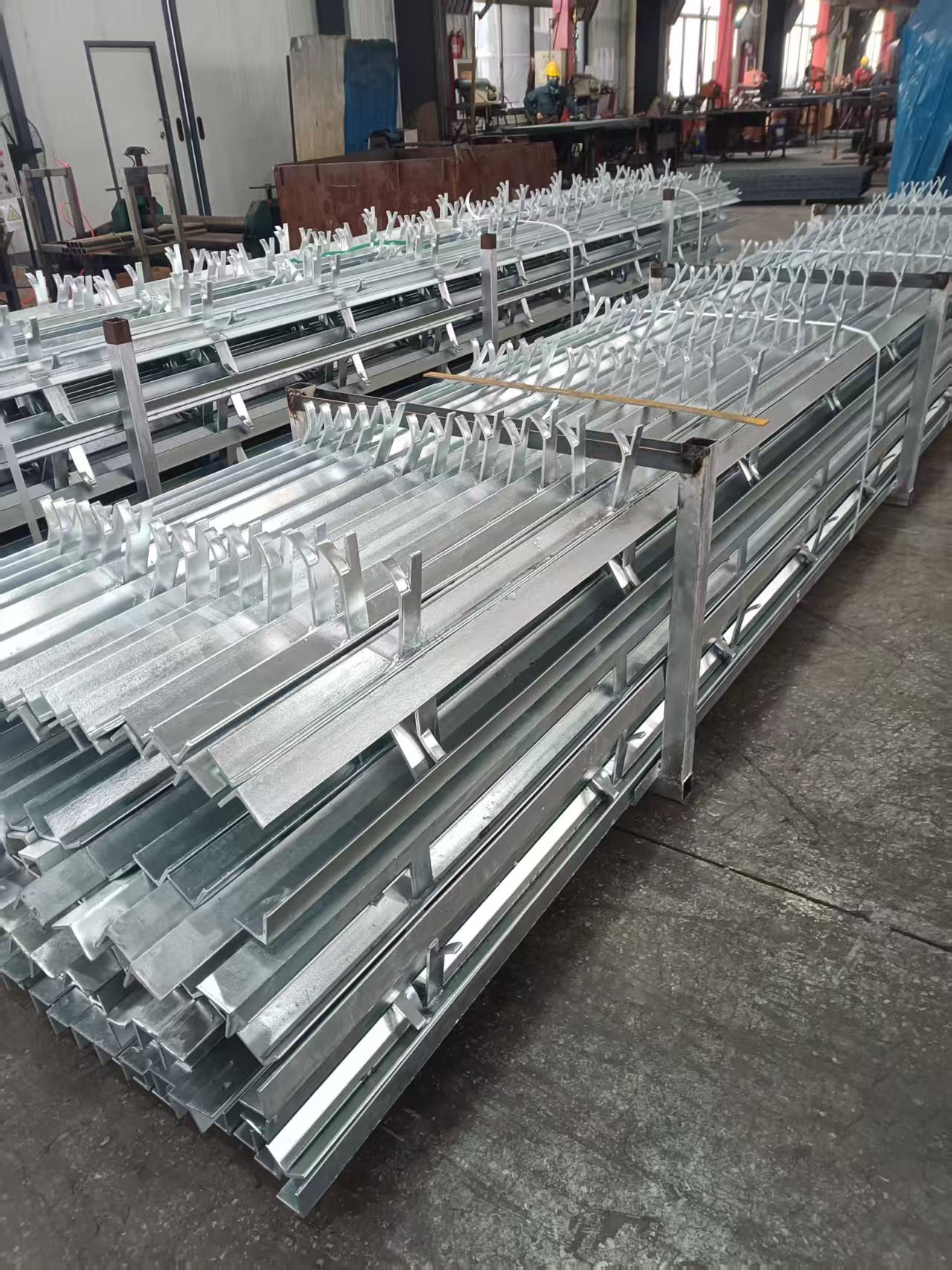
Angle steel embedded parts are steel components pre-installed into concrete structures or foundations before concrete pouring is completed. They are commonly manufactured using angle steel sections combined with anchor bars, welded plates, or fastening systems to create strong embedded connections.
Their main purpose is to provide secure attachment points for later installation of steel structures, grating systems, equipment supports, pipelines, handrails, or platform frameworks. Once embedded into concrete, they become an integrated part of the structure, improving both stability and load-bearing performance.
Why angle steel embedded parts are important in construction
In industrial and infrastructure projects, many structural systems require reliable fixing points capable of handling vibration, dynamic loads, and long-term stress. Traditional surface-mounted connections may loosen over time or fail under heavy loads.
Angle steel embedded parts solve these issues by creating permanent anchoring systems inside the concrete structure. This improves overall stability while reducing installation complexity during later construction stages.
Main advantages of angle steel embedded parts
● Strong structural connection
Embedded angle steel provides reliable anchoring between concrete and steel structures, improving overall structural integrity
● Improved load transfer capability
Helps distribute loads more evenly, reducing localized stress concentration
● Long-term stability and durability
Once integrated into concrete, the embedded system resists movement and structural deformation
● Efficient installation for later structures
Provides pre-positioned fixing points, reducing on-site drilling and welding work
● High adaptability for different projects
Can be customized according to structural dimensions, load requirements, and installation methods
● Reduced maintenance and repair risks
Stable embedded systems minimize the risk of loosening or structural failure over time
Common applications across industries
Angle steel embedded parts are widely used in industrial, commercial, and infrastructure construction projects:
● Steel grating platform installations
● Industrial stair systems and walkways
● Equipment support structures in factories
● Bridge and municipal engineering projects
● Pipeline and cable support systems
● Power plant and energy facility structures
● Warehouse and logistics platform systems
● Building curtain wall and facade support systems
Their flexibility makes them suitable for both heavy industrial applications and architectural projects.
Material selection and corrosion protection
Material choice is critical because embedded parts often operate in harsh environments for long periods without replacement.
● Carbon steel embedded parts
Cost-effective and widely used for standard industrial applications
● Hot-dip galvanized embedded parts
Provide strong corrosion resistance in outdoor or humid environments
● Stainless steel embedded parts
Ideal for chemical plants, marine environments, and projects requiring high corrosion resistance
● Protective coatings and treatments
Additional anti-corrosion coatings can further extend service life in aggressive environments
Selecting the appropriate material helps ensure long-term reliability and lower maintenance costs.
Installation process and construction efficiency
Proper installation is essential to ensure the effectiveness of embedded systems.
● Position embedded parts accurately before concrete pouring
● Use secure temporary fixing methods to prevent displacement
● Verify alignment and elevation according to engineering drawings
● Ensure sufficient concrete coverage around anchor sections
● Inspect weld quality and structural stability after installation
Correct installation improves construction efficiency and reduces later modification work.
How angle steel embedded parts reduce project costs
Although embedded systems may appear to increase early-stage preparation work, they often reduce overall project costs in the long term.
● Minimize on-site drilling and secondary welding
● Reduce labor time during structural installation
● Lower maintenance and repair frequency
● Improve structural reliability and reduce failure risks
● Increase installation precision for later components
These benefits make embedded parts a cost-effective solution for industrial projects.
Common problems solved by angle steel embedded parts
Many construction projects face recurring structural and installation issues that embedded systems help prevent:
● Weak connections between steel and concrete structures
● Misalignment during equipment installation
● Long installation times caused by repeated measurements
● Structural instability under vibration or heavy loads
● Corrosion problems in outdoor or humid environments
By solving these issues early in the construction phase, embedded parts improve project quality and operational stability.
Conclusion
Angle steel embedded parts are essential structural components that improve connection strength, installation efficiency, and long-term stability in industrial and infrastructure projects. By providing secure anchoring systems inside concrete structures, they help reduce construction complexity while improving safety and reliability.
For B2B buyers and engineers, selecting the right material, design, and installation method ensures better project performance, lower maintenance costs, and greater structural durability. As industrial construction standards continue to rise, angle steel embedded parts remain a critical solution for achieving strong and reliable structural systems.
FAQ:
Q1: What are angle steel embedded parts mainly used for?
They are used to create strong connection points between concrete structures and steel components such as platforms, railings, and grating systems.
Q2: Which material is best for outdoor embedded parts?
Hot-dip galvanized steel is commonly used, while stainless steel is preferred for highly corrosive environments.
Q3: Why are embedded parts installed before concrete pouring?
Because they need to become integrated into the concrete structure to provide stable anchoring and load transfer.
Q4: Can angle steel embedded parts be customized?
Yes, they can be manufactured in different sizes, thicknesses, and configurations according to project requirements.
Post time: May-12-2026