
Anti-Slip Steel Grating is often considered only after a walkway, platform, or stair area becomes difficult to use safely. In many industrial sites, the floor may look strong enough, but strength alone does not always mean safety. A grating panel may support the required load, yet still create walking risks when the surface becomes wet, oily, dusty, or exposed to outdoor conditions.
For factories, wastewater treatment plants, chemical facilities, loading areas, outdoor platforms, and maintenance zones, anti-slip performance should be checked before the grating system is selected. The following checklist can help determine whether Anti-Slip Steel Grating is necessary for a specific working area.
Checklist 1: Does the Area Often Become Wet?
Water is one of the most common causes of slipping. Even a small amount of water can reduce surface friction, especially when workers walk quickly, carry tools, or move across stairs and platforms.
Anti-Slip Steel Grating should be considered if the area includes:
- Outdoor walkways exposed to rain
- Drainage channels or trench covers
- Equipment cleaning areas
- Wastewater treatment platforms
- Cooling water or process water zones
- Areas where condensation often appears
In these conditions, the open-grid structure helps water pass through instead of remaining on the walking surface. When combined with a serrated surface, the grating can provide better foot contact in wet environments.
Checklist 2: Is There Oil, Dust, or Production Residue?
Not all slip risks come from water. In many industrial facilities, oil mist, lubricants, powder, dust, mud, or chemical residue can also make walking surfaces unsafe.
The risk is higher in:
- Machinery maintenance areas
- Chemical processing zones
- Food processing and cleaning areas
- Metalworking workshops
- Loading and unloading platforms
- Equipment service walkways
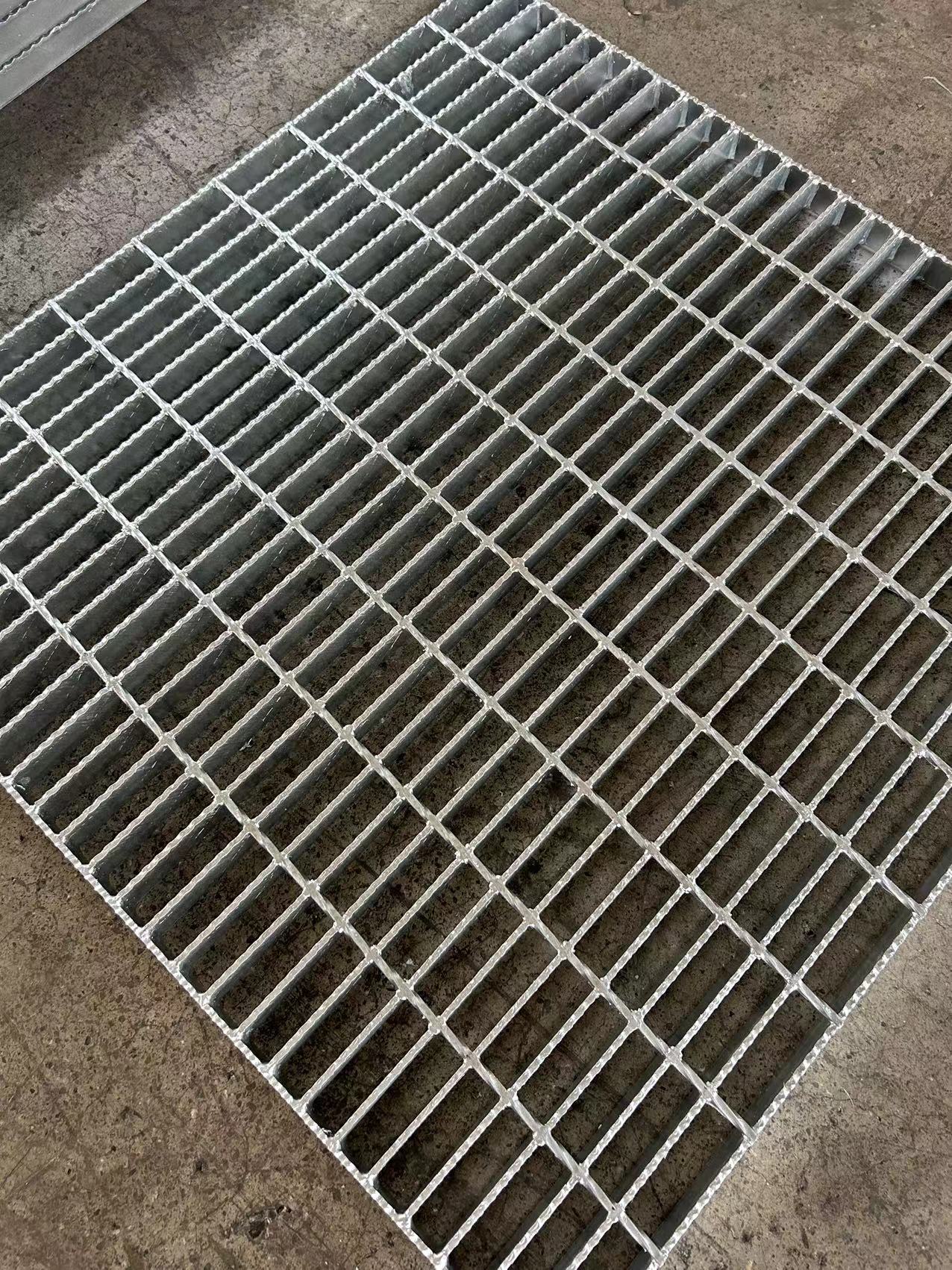
A smooth surface may become slippery when covered by even a thin layer of residue. Anti-Slip Steel Grating, especially with serrated bearing bars, can help increase grip while allowing some debris to fall through the openings.
Checklist 3: Are Workers Using Stairs or Elevated Platforms?
Stairs and elevated platforms require more attention than flat ground. A small slip on a flat walkway may cause inconvenience, but a slip on a stair tread or high platform can create a much more serious safety problem.
Anti-slip design is especially important for:
- Industrial stair treads
- Access ladders with grating steps
- High maintenance platforms
- Tower platforms
- Outdoor service stairs
- Equipment operation platforms
For stair treads, anti-slip nosing can be added to improve foot contact at the front edge of each step. Serrated steel grating can also help improve traction, especially in outdoor or wet areas.
Checklist 4: Is the Area Used Frequently?
A low-risk area used once a month and a moderate-risk area used every day should not be treated the same way. Frequency of use changes the importance of anti-slip performance.
Anti-Slip Steel Grating becomes more valuable when:
- Workers pass through the area daily
- Maintenance teams use the platform regularly
- The route is part of a main access path
- Operators carry tools or materials while walking
- The area is used during different weather conditions
High-frequency use increases exposure to slip risks. In these areas, improving the walking surface can support safer daily operation.
Checklist 5: Does the Area Need Drainage and Walking Support at the Same Time?
Some areas need both water drainage and safe access. A solid plate may provide coverage, but it can also allow water to stay on the surface. A drainage opening may release water, but it still needs a safe cover for workers to walk across.
Anti-Slip Steel Grating is suitable for these combined needs:
| Site Requirement | Why It Matters | Suitable Grating Feature |
|---|---|---|
| Water must drain quickly | Standing water increases slip risk | Open-grid structure |
| Workers need safe access | Drainage areas are often walked across | Stable bearing bars |
| Surface may become slippery | Wet or oily conditions reduce friction | Serrated surface |
| Outdoor use is required | Rain and humidity affect durability | Hot-dip galvanized finish |
| Covers may need removal | Maintenance access must stay convenient | Custom panel size |
This type of application is common in drainage covers, wastewater plants, outdoor platforms, and equipment service areas.
Checklist 6: Is Corrosion Also a Concern?
Slip resistance is important, but long-term performance also depends on corrosion protection. In wet or outdoor environments, untreated steel may lose durability more quickly.
Hot-dip galvanized Anti-Slip Steel Grating is commonly used when the area is exposed to:
- Rain
- Humidity
- Wastewater
- Outdoor air
- Industrial moisture
- Drainage environments
For chemical plants, coastal facilities, or special processing areas, stainless steel options may also be considered. The correct material and surface treatment help the grating maintain both strength and safety over time.
When Anti-Slip Steel Grating Is the Right Choice
Anti-Slip Steel Grating is usually suitable when several of the following conditions appear together:
- The area is wet, oily, dusty, or exposed outdoors
- Workers pass through the area frequently
- The surface is used for stairs, platforms, or maintenance access
- Drainage is required
- Corrosion resistance is needed
- A stable walking surface is important
- The grating must fit a specific frame, trench, or platform
In these cases, anti-slip design can provide more practical value than standard flat-top grating.
Our Anti-Slip Steel Grating Product Support
Our Anti-Slip Steel Grating products can be customized according to different working environments and safety requirements. We can adjust panel dimensions, bearing bar specifications, spacing, serrated surface design, material, surface treatment, edge finishing, and installation method.
For wet outdoor platforms, hot-dip galvanized anti-slip grating can improve corrosion resistance. For oily or dusty work areas, serrated steel grating can provide stronger traction. For stair systems, anti-slip stair treads can be produced with suitable nosing, side plates, and custom dimensions. For drainage areas, grating panels can be combined with trench covers, steel frames, and angle steel embedded parts.
Our related products include Press-Welded Steel Grating, Plug-in Steel Grating, Serrated Steel Grating, Heavy Duty Steel Grating, Light Steel Grating, Fan-Shaped Steel Grating, Steel Grating Platform, Trench Cover, Angle Steel Embedded Part, Steel Pallet, and customized steel structures.
By checking the actual site conditions first, the grating solution can be matched more accurately to the project instead of relying on a standard product choice.
Conclusion
Anti-Slip Steel Grating should be selected based on real site risks, not only product appearance. Wet surfaces, oil, dust, outdoor exposure, stairs, drainage areas, and frequent worker movement can all increase the need for better surface traction.
A practical checklist helps identify whether anti-slip performance is necessary before the project is installed. With the correct surface design, material, corrosion protection, and installation method, Anti-Slip Steel Grating can provide safer access for industrial walkways, platforms, stair treads, and drainage areas.
FAQ
1. When should Anti-Slip Steel Grating be used?
Anti-Slip Steel Grating should be used in wet, oily, dusty, outdoor, drainage-related, or high-frequency walking areas where better traction is needed.
2. Is serrated grating the same as Anti-Slip Steel Grating?
Serrated grating is one common type of Anti-Slip Steel Grating. Anti-slip performance can also involve stair nosing, open-grid drainage, material selection, and surface treatment.
3. Can Anti-Slip Steel Grating be used for stairs?
Yes. Anti-Slip Steel Grating is commonly used for stair treads, especially in outdoor, industrial, wet, or high-use areas.
4. What information is needed to customize Anti-Slip Steel Grating?
Important information includes panel size, load requirement, bearing bar direction, spacing, installation method, surface treatment, and whether the grating will be used on a walkway, platform, stair, or drainage cover.
Post time: Aug-04-2026