
Sewage treatment plants operate in some of the most demanding industrial environments, where constant exposure to water, chemicals, and heavy equipment is unavoidable. Selecting the right structural materials is critical to ensure long-term durability, operational safety, and cost efficiency. Among the most reliable solutions, sewage treatment plant steel grating stands out as a key component for building safe and resilient infrastructure.
For B2B buyers, engineers, and project planners, understanding the value of steel grating in wastewater facilities is essential for optimizing performance while reducing maintenance and safety risks.
The Role of Steel Grating in Sewage Treatment Plants
Steel grating plays a fundamental role in sewage treatment facilities by providing stable, open-grid surfaces for walkways, platforms, and drainage covers. These environments often involve wet, slippery, and corrosive conditions, which require materials that can withstand constant exposure without compromising safety.
Unlike solid flooring systems, steel grating allows water, sludge, and debris to pass through its open structure. This prevents accumulation on walking surfaces and significantly reduces the risk of slips and falls. At the same time, it supports heavy loads, making it suitable for areas with frequent maintenance activity and equipment access.
Key Benefits of Sewage Treatment Plant Steel Grating
The widespread use of steel grating in wastewater treatment facilities is driven by its performance advantages:
● Corrosion Resistance
Sewage treatment environments are highly corrosive due to chemicals, moisture, and biological substances. Hot-dip galvanized or stainless steel grating provides strong resistance to rust and chemical damage, ensuring long-term reliability.
● Superior Drainage Performance
The open-grid design allows liquids, sludge, and waste materials to pass through easily, preventing pooling and reducing hazardous conditions.
● Enhanced Safety
Optional serrated surfaces improve traction, even in wet and oily conditions. This significantly lowers the risk of workplace accidents and improves overall operational safety.
● High Load Capacity
Steel grating is engineered to support heavy loads, including maintenance equipment and foot traffic, without deformation or failure.
● Low Maintenance Requirements
Because debris does not accumulate on the surface, steel grating requires less frequent cleaning and maintenance compared to solid flooring systems.
These advantages make steel grating a cost-effective and reliable choice for sewage treatment infrastructure.
Material Selection for Wastewater Applications
Choosing the right material is critical for ensuring optimal performance in sewage treatment plants:
● Hot-Dip Galvanized Steel
This is the most commonly used material due to its excellent corrosion resistance and cost-effectiveness. It is suitable for most outdoor and wet environments.
● Stainless Steel
Ideal for highly corrosive or chemically aggressive environments, stainless steel offers superior durability and longevity.
● Epoxy-Coated Steel
Provides an additional protective layer against chemical exposure and abrasion, making it suitable for specific high-risk areas.
Material selection directly impacts lifecycle cost, maintenance frequency, and long-term operational reliability.
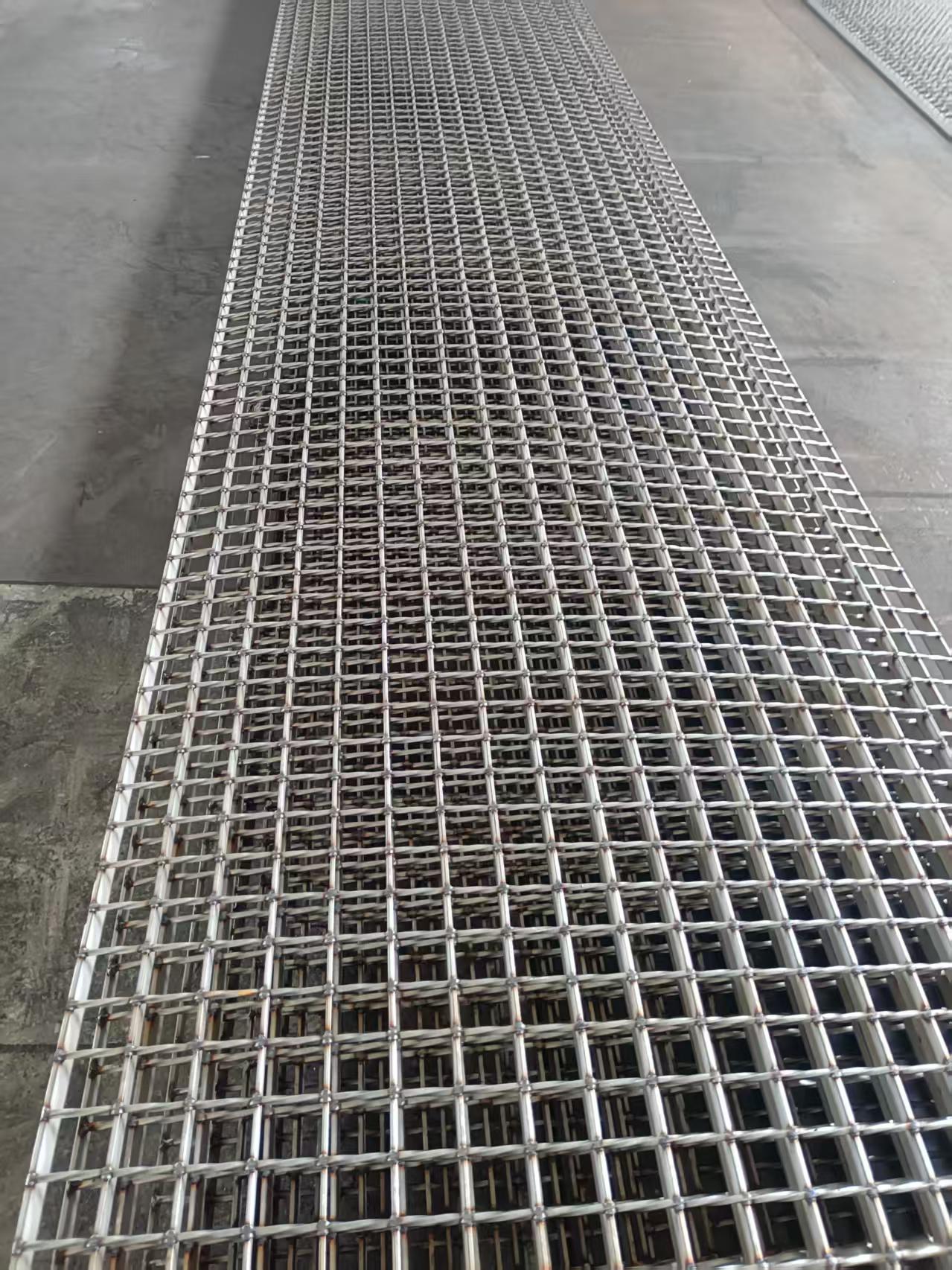
Common Applications in Sewage Treatment Facilities
Steel grating is used throughout wastewater treatment plants in various critical areas:
● Walkways and inspection paths around tanks and basins
● Elevated platforms for equipment access and maintenance
● Drainage covers for channels and trenches
● Stair treads and access ladders
● Pump stations and filtration areas
In each of these applications, steel grating ensures safe access, efficient drainage, and structural integrity under demanding conditions.
Design Considerations for Optimal Performance
To maximize the effectiveness of sewage treatment plant steel grating, several design factors should be considered:
● Load Requirements
The grating must be designed to support expected loads, including personnel and equipment.
● Bar Spacing
Proper spacing ensures efficient drainage while maintaining safety and comfort for walking surfaces.
● Surface Type
Serrated or anti-slip surfaces are recommended for wet environments to enhance traction.
● Panel Size and Layout
Modular panel designs allow for easy installation and future replacement without disrupting operations.
Careful design ensures that the grating system meets both safety standards and operational needs.
Installation and Maintenance Best Practices
Proper installation and maintenance are essential to ensure long-term performance:
● Secure grating panels with appropriate clips or fasteners to prevent movement
● Ensure proper alignment and support to distribute loads evenly
● Conduct regular inspections to identify corrosion or structural damage
● Keep drainage channels clear to maintain efficiency
● Replace damaged panels promptly to avoid safety hazards
With correct installation and minimal maintenance, steel grating systems can provide decades of reliable service.
Compliance and Safety Standards
Sewage treatment facilities must comply with strict safety and environmental regulations. Steel grating helps meet these requirements by offering:
● Slip-resistant surfaces that align with OSHA safety guidelines
● Strong structural support for safe worker access
● Fire resistance and durability in harsh industrial conditions
● Adaptability to various environmental and operational requirements
Compliance with these standards not only improves safety but also enhances the overall efficiency of the facility.
Why B2B Buyers Choose Steel Grating for Wastewater Projects
For B2B procurement and project planning, steel grating offers measurable advantages:
● Reduces long-term maintenance and replacement costs
● Improves worker safety and reduces liability risks
● Provides durable solutions for harsh and corrosive environments
● Supports customization for specific project requirements
● Enhances operational efficiency through reliable performance
These factors make steel grating a preferred choice for sewage treatment plant infrastructure worldwide.
Conclusion
Sewage treatment plant steel grating is an essential component for building durable, safe, and efficient wastewater infrastructure. Its corrosion resistance, drainage capability, and load-bearing strength make it uniquely suited for the harsh conditions found in treatment facilities. By selecting the appropriate materials, design specifications, and installation practices, B2B buyers can ensure long-term performance, reduced maintenance costs, and improved safety standards. Investing in high-quality steel grating is not just a structural decision—it is a strategic investment in operational reliability and infrastructure longevity.
FAQ:
● Q1: Why is steel grating preferred in sewage treatment plants?
Steel grating offers excellent drainage, corrosion resistance, and slip resistance, making it ideal for wet and hazardous environments.
● Q2: What material is best for sewage treatment plant steel grating?
Hot-dip galvanized steel is commonly used, while stainless steel is preferred for highly corrosive environments.
● Q3: Can steel grating be customized for wastewater facilities?
Yes, it can be tailored in terms of size, load capacity, bar spacing, and surface treatment to meet specific project requirements.
● Q4: How long does steel grating last in sewage treatment plants?
With proper material selection and maintenance, steel grating can last for decades even in harsh conditions.
Post time: Mar-17-2026