
Municipal drainage grating plays a critical role in modern urban infrastructure. It supports efficient stormwater management while ensuring safety, durability, and long-term performance in public spaces such as roads, sidewalks, and drainage channels.
As cities expand and rainfall patterns become more extreme, selecting reliable municipal drainage grating systems has become a priority for contractors, engineers, and municipal authorities.
What Is Municipal Drainage Grating?
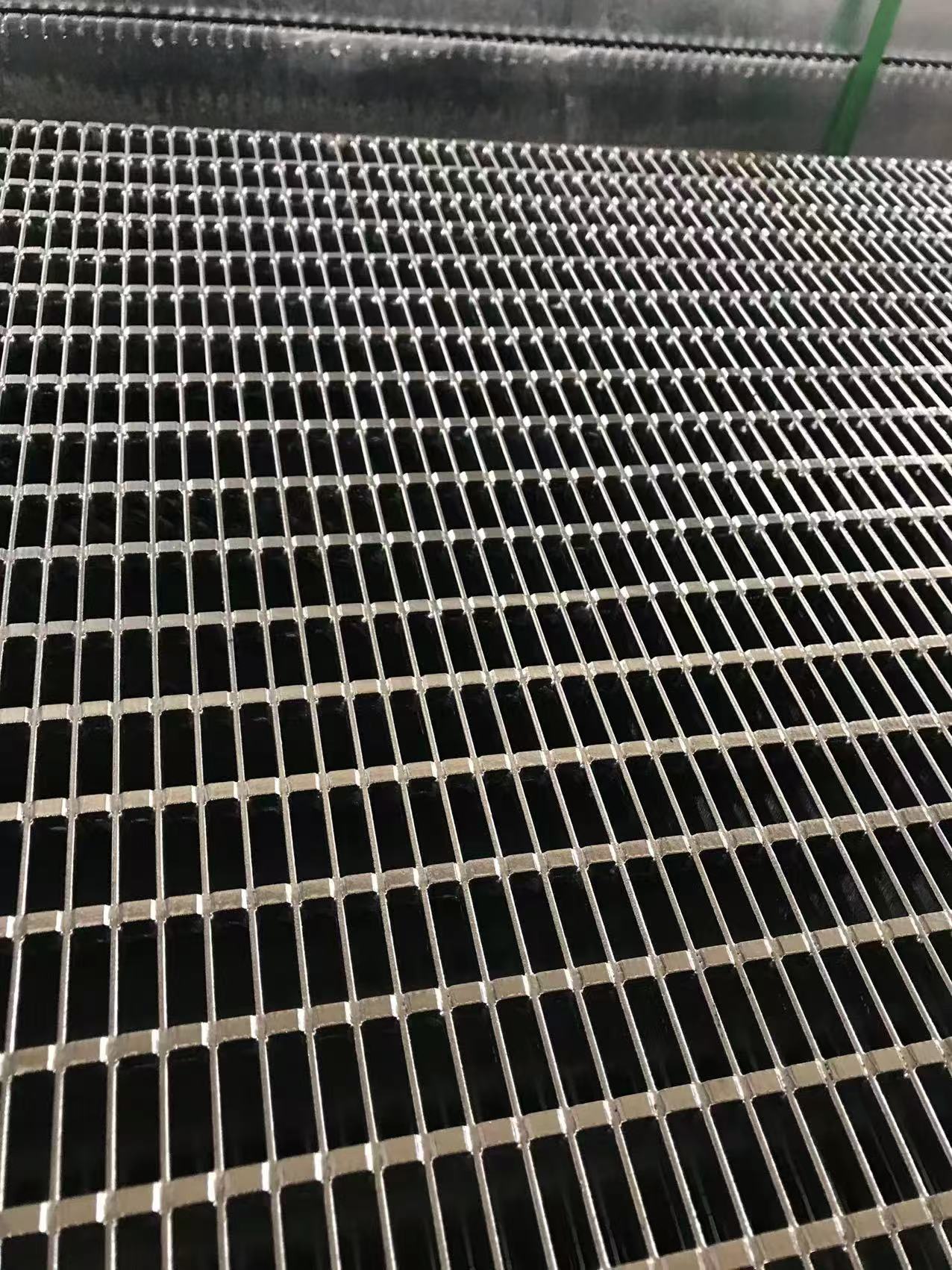
Municipal drainage grating refers to load-bearing grating panels installed over drainage channels, trenches, and stormwater systems in public infrastructure projects. These gratings allow surface water to flow into underground drainage systems while preventing debris buildup and providing a safe walking or driving surface.
Unlike residential drain covers, municipal drainage gratings are designed for higher load capacities, continuous exposure to weather, and long service life. They are commonly manufactured from steel, ductile iron, stainless steel, or composite materials, depending on project requirements.
Key Functions in Municipal Drainage Systems
Municipal drainage grating is not only a surface component but an essential functional element of urban water management systems.
● Efficient surface water collection during heavy rainfall
● Prevention of road flooding and water accumulation
● Protection of underground drainage channels from debris
● Improved pedestrian and vehicle safety
● Structural reinforcement for drainage openings
By maintaining proper water flow and surface stability, municipal drainage grating helps reduce maintenance costs and infrastructure damage over time.
Common Types of Municipal Drainage Grating
Different municipal projects require different grating designs based on load, environment, and usage conditions.
● Steel bar grating – High strength, commonly used on roads, bridges, and heavy traffic areas
● Galvanized steel grating – Corrosion-resistant, suitable for long-term outdoor exposure
● Ductile iron grating – Excellent load-bearing capacity, often used in roadways and highways
● Stainless steel grating – Ideal for coastal or highly corrosive environments
● Composite or FRP grating – Lightweight and corrosion-resistant for specific municipal zones
Each type is engineered to meet local standards and load classifications, such as pedestrian areas, light vehicle traffic, or heavy-duty roadways.
Load Standards and Safety Considerations
Load capacity is one of the most critical factors when specifying municipal drainage grating. Improper load selection can result in deformation, safety hazards, or premature failure.
Municipal drainage grating is typically designed to meet standards such as EN, ASTM, or local municipal regulations. Common load classes include pedestrian load, light traffic load, and heavy vehicle load.
Beyond load performance, safety features are equally important.
● Anti-slip surface design
● Secure frame and locking systems
● Flush installation with surrounding pavement
● Edge protection to prevent trip hazards
These features help ensure safe daily use in high-traffic public environments.
Materials and Surface Treatments
Material selection directly affects the lifespan and maintenance requirements of municipal drainage grating. Steel grating remains the most widely used option due to its strength and cost efficiency.
Common surface treatments include:
● Hot-dip galvanizing for corrosion resistance
● Painted or powder-coated finishes for visual integration
● Stainless steel finishes for aggressive environments
Proper material and surface treatment selection helps extend service life, especially in regions exposed to rain, snow, road salts, or industrial pollution.
Applications in Urban Infrastructure Projects
Municipal drainage grating is widely used across various public infrastructure projects, making it a standard component in urban construction.
● Urban roads and intersections
● Sidewalks and pedestrian zones
● Parking areas and bus stations
● Municipal bridges and overpasses
● Parks, plazas, and public squares
● Stormwater drainage channels and culverts
Its versatility allows engineers to integrate drainage solutions without compromising structural safety or urban aesthetics.
Manufacturing and Customization Options
From a B2B procurement perspective, customization is often required to meet specific project drawings and site conditions. Municipal drainage grating can be produced in custom sizes, bar spacing, load ratings, and frame designs.
Typical customization options include:
● Custom panel dimensions and thickness
● Adjustable bar spacing for debris control
● Integrated frames and edge protection
● Optional locking mechanisms
● Project-specific load certifications
This flexibility ensures compatibility with diverse municipal infrastructure requirements.
Why Municipal Drainage Grating Is a Long-Term Investment
Although drainage grating may appear to be a small component, its long-term impact on urban infrastructure performance is significant. High-quality municipal drainage grating reduces maintenance frequency, minimizes safety incidents, and enhances overall drainage efficiency.
For municipalities and contractors, investing in properly designed grating systems results in improved operational reliability and lower lifecycle costs.
Conclusion
Municipal drainage grating is a vital component of modern urban infrastructure, supporting effective stormwater management, public safety, and long-term structural performance. By selecting appropriate materials, load ratings, and designs, municipalities and contractors can ensure reliable drainage solutions that meet today’s demanding urban environments.
As urban development continues to grow, municipal drainage grating will remain an essential element in building resilient and sustainable cities.
FAQ:
What is municipal drainage grating used for?
Municipal drainage grating is used to cover drainage channels and stormwater systems, allowing water flow while ensuring safety for pedestrians and vehicles.
What materials are commonly used for municipal drainage grating?
Common materials include galvanized steel, ductile iron, stainless steel, and composite materials, depending on load and environmental conditions.
How do I choose the right load rating for drainage grating?
Load rating should be selected based on application areas such as pedestrian zones, light traffic roads, or heavy vehicle roadways, following local standards.
Is municipal drainage grating customizable for specific projects?
Yes, most manufacturers offer customization options for size, load capacity, surface treatment, and installation requirements.
Post time: Jan-23-2026