
In industrial and commercial construction, platforms play a crucial role in providing safe access to elevated areas, equipment, and machinery. Grating in platforms is a fundamental element that ensures safety, durability, and operational efficiency. Unlike solid surfaces, grating allows liquids, debris, and air to pass through, improving drainage, ventilation, and visibility. For B2B buyers and project managers, understanding the types, materials, and advantages of platform grating is essential for designing cost-effective, long-lasting, and compliant infrastructure.
Understanding Grating in Platforms
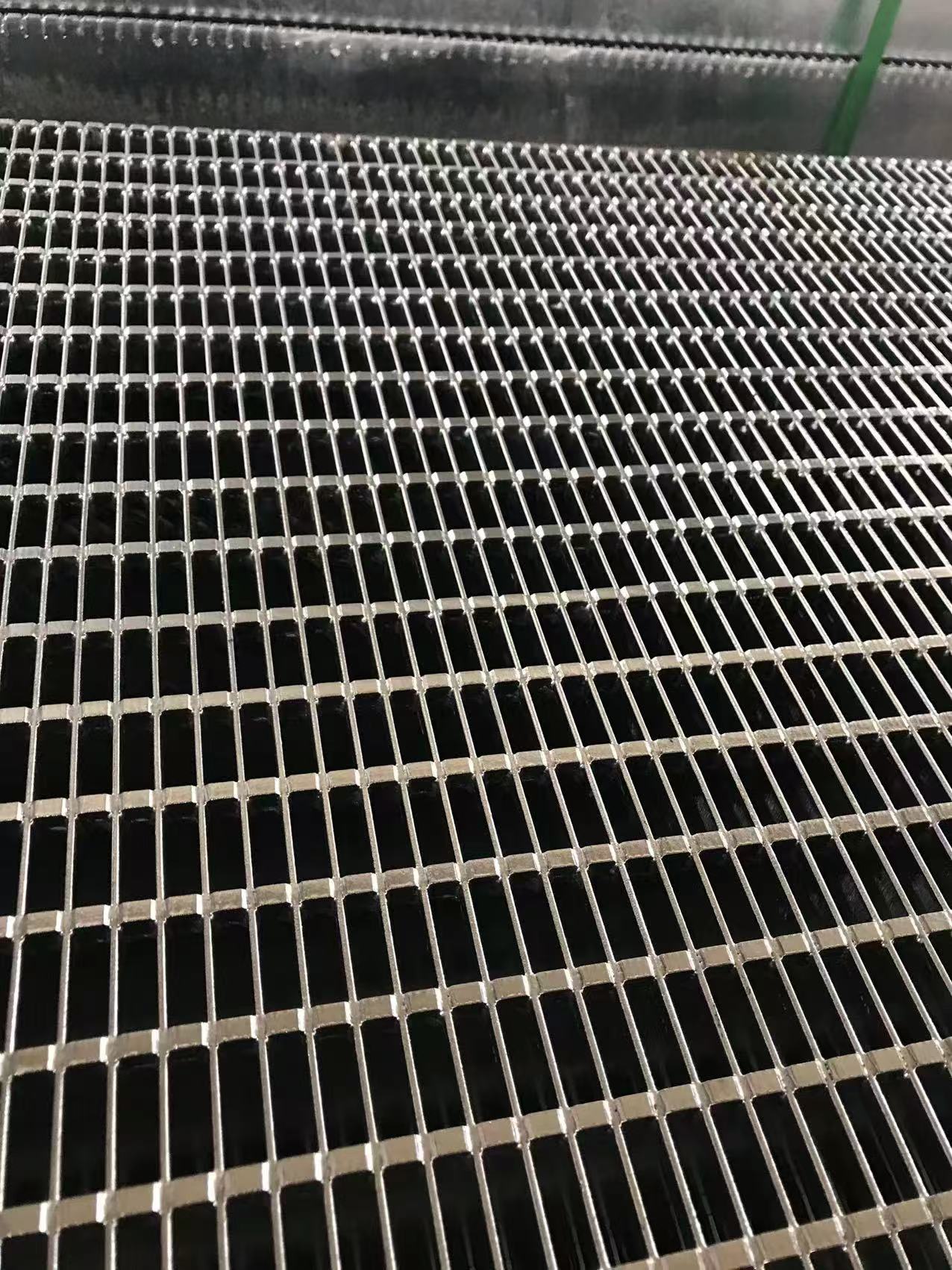
Grating in platforms refers to the structural mesh or grid surface used to cover floors in walkways, mezzanines, catwalks, stairs, and other elevated access areas. Its open design is engineered to provide:
● High load-bearing capacity while remaining lightweight
● Efficient drainage and airflow to prevent pooling and reduce slip hazards
● Visibility through the surface, which can enhance safety and allow monitoring of machinery or processes below the platform
The use of grating instead of solid flooring helps industrial facilities, chemical plants, and public infrastructure maintain operational safety and reduce maintenance efforts. Its versatility makes it suitable for indoor and outdoor environments, as well as for heavy-duty industrial applications.
Types of Grating Used in Platforms
Choosing the appropriate grating type is essential for ensuring platform safety, performance, and regulatory compliance. Common types of grating include:
● Steel Bar Grating: Known for high strength and durability. It is widely used in industrial platforms, manufacturing facilities, and heavy-duty applications where load capacity is critical.
● Stainless Steel Grating: Provides corrosion resistance, hygiene, and chemical resistance, making it ideal for chemical, food, pharmaceutical, and wastewater industries.
● Aluminum Grating: Lightweight, corrosion-resistant, and easy to handle. It is suitable for outdoor platforms or locations that require easy installation and low maintenance.
● Fiberglass Reinforced Plastic (FRP) Grating: Non-conductive, corrosion-resistant, and UV-stable. Commonly used in marine, chemical, and wastewater facilities where electrical insulation or chemical resistance is required.
Each type of grating offers distinct advantages depending on environmental conditions, expected load, and safety requirements. Selecting the right material ensures long-term performance and reduces maintenance costs over the platform’s lifespan.
Benefits of Using Grating in Platforms
Grating offers numerous advantages over solid platform surfaces, particularly in industrial and commercial settings:
● Enhanced Safety: The open-grid design prevents liquid accumulation, oil spills, and debris buildup, reducing the risk of slips and falls.
● High Load-Bearing Capacity: Properly engineered grating can withstand heavy foot traffic, equipment, and machinery without deformation.
● Durability: Resistant to corrosion, extreme temperatures, chemicals, and UV exposure, depending on the material.
● Low Maintenance: Open grating minimizes the need for cleaning and reduces maintenance costs.
● Customization Options: Can be manufactured in various sizes, bar spacing, surface finishes, and thicknesses to meet specific project requirements.
These advantages make platform grating an efficient and cost-effective solution for B2B projects, particularly where long-term durability and operational safety are priorities.
Applications of Platform Grating
Grating is used across a variety of industries and applications, providing both functional and safety benefits:
● Industrial Plants: Factories, power stations, and refineries use grating for elevated walkways, access platforms, and mezzanines.
● Chemical and Wastewater Facilities: Stainless steel or FRP grating prevents corrosion and ensures worker safety in harsh chemical environments.
● Marine and Offshore Platforms: Saltwater-resistant materials like FRP or galvanized steel are used for docks, piers, and offshore access platforms.
● Public Infrastructure: Bridges, utility walkways, and pedestrian platforms use grating for drainage, ventilation, and safety compliance.
● Mezzanines and Catwalks: Industrial warehouses and logistic centers rely on grating for elevated work surfaces and maintenance access.
By selecting the appropriate grating material and type, B2B buyers ensure that platforms meet both operational and regulatory standards while maintaining long-term functionality.
Installation and Maintenance Tips
Proper installation and maintenance of platform grating are essential for safety and durability:
● Measure platform dimensions accurately to ensure proper fit and load distribution
● Use bolted, welded, or clip-lock systems to secure grating to stringers or support frames
● Inspect grating regularly for corrosion, wear, or damage, particularly in outdoor or chemical-exposed environments
● Clean debris, check drainage, and remove accumulated material to prevent slip hazards
● Follow manufacturer guidelines for load ratings and environmental exposure to avoid structural failure
Implementing these practices ensures platforms remain safe, reliable, and low-maintenance throughout their service life.
Conclusion
Grating in platforms is a vital component for industrial, commercial, and public infrastructure, combining safety, durability, and functional performance. By understanding different types of grating, materials, and their respective benefits, B2B buyers can make informed decisions that improve platform safety, reduce maintenance costs, and extend operational lifespan. Whether for heavy-duty industrial sites, marine environments, or public infrastructure projects, grating ensures that platforms remain reliable, safe, and efficient for years to come.
FAQ
Q1: What is the main purpose of grating in platforms?
Grating provides structural support while allowing liquids, debris, and air to pass through, enhancing safety, drainage, and ventilation.
Q2: What materials are commonly used for platform grating?
Common materials include steel, stainless steel, aluminum, and fiberglass-reinforced plastic (FRP), each selected based on load, environmental exposure, and safety requirements.
Q3: Can platform grating be customized for specific projects?
Yes, grating can be customized in size, bar spacing, thickness, surface texture, and material to meet project-specific operational and safety needs.
Q4: How should platform grating be maintained to ensure long-term performance?
Regular inspections for corrosion, wear, or damage, combined with cleaning and proper drainage, are essential to maintain safety and prolong lifespan.
Post time: Jan-06-2026