
Wave-shaped steel grating is often selected for wastewater treatment plants because it combines drainage, slip resistance, and load capacity in one product. However, its real performance depends less on the product label and more on how well it matches conditions in each treatment area. This article focuses on practical issues that affect service life, safety, and maintenance.
What Wave-Shaped Steel Grating Solves in a Wastewater Plant
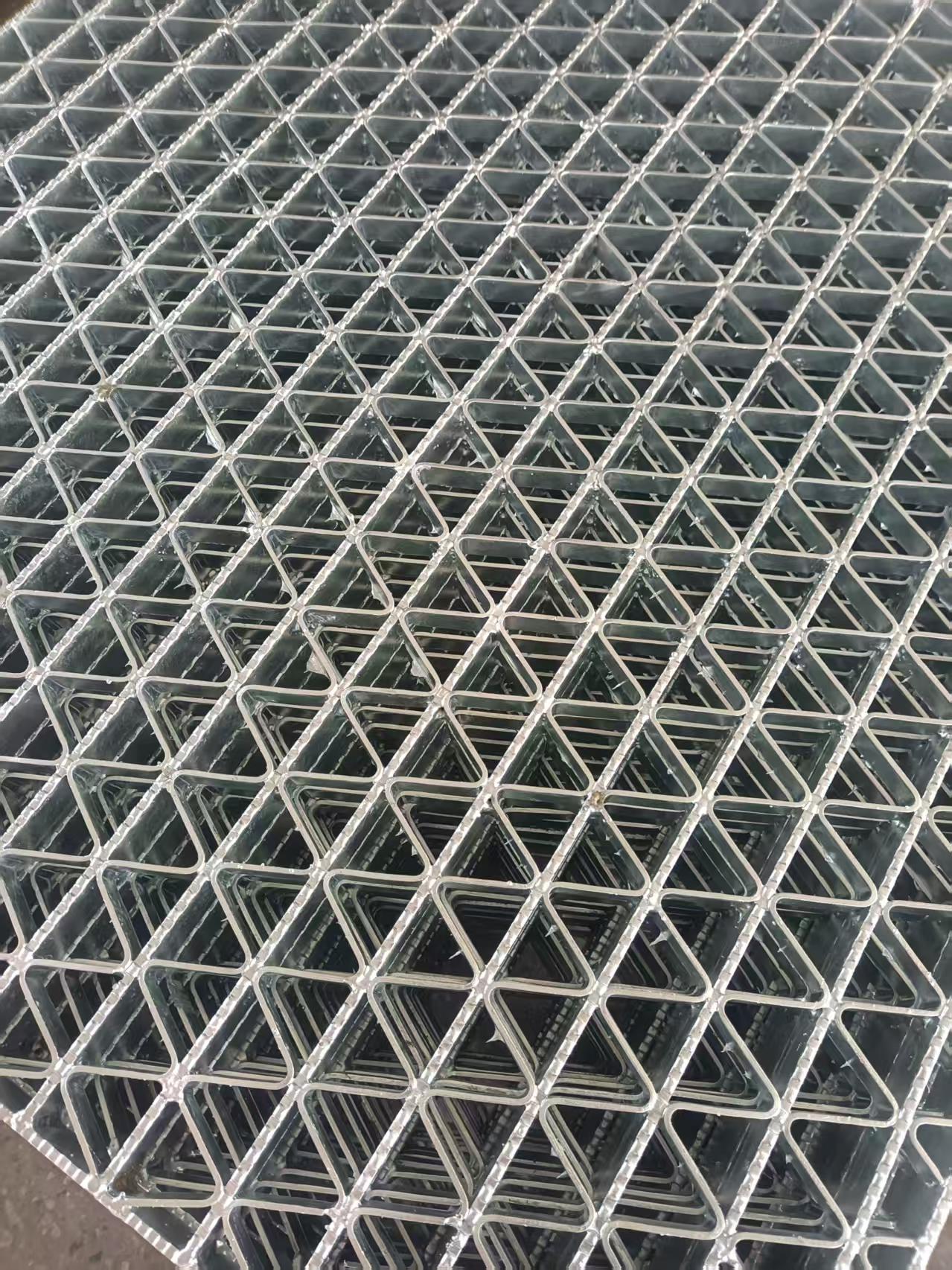
The wave profile is formed into the main load-bearing bars, creating alternating high and low points across the walking surface. In a wastewater plant, this design addresses several everyday problems. Wet surfaces around aeration tanks, open channels, and sludge areas make flat steel slippery, especially when a thin layer of organic material is present. The wave profile gives footwear more contact points and improves grip. Open mesh allows water, small solids, and cleaning liquids to pass through instead of pooling on the surface. Access platforms must support workers, tools, and occasional equipment, and the wave-shaped bearing bars can provide useful stiffness for a given bar size, helping control deflection over a span. Tanks and channels also need ventilation and visual access, so open grating allows air movement and lets operators inspect equipment below without removing panels.
These benefits are useful, but they do not automatically make every wave-shaped grating suitable for every part of a plant. The environment changes significantly from the headworks to the final effluent area. Corrosion, moisture, debris, and load conditions vary, and the grating should be selected with those differences in mind rather than treated as a single commodity.
How Different Treatment Areas Affect Product Requirements
A wastewater treatment plant is not a single environment. A practical approach is to divide the plant into zones and define what the grating must do in each zone.
- Headworks and coarse screening areas handle rags, plastics, grit, and other debris. The main risks are impact, abrasion, and blockage rather than chemical attack. Grating should be easy to clean and strong enough to resist repeated contact with heavy solids. A more open mesh can reduce clogging, but it should not be so large that it creates a safety risk for workers.
- Aeration tanks and open channels stay wet for long periods and may release hydrogen sulfide and other odorous gases. The grating must resist corrosion while still allowing air movement. In these areas, coating quality, material grade, and weld treatment matter more than they do in drier parts of the plant.
- Sludge handling areas often have heavy organic buildup, frequent washdown, and aggressive corrosion. Sludge can stick to rough surfaces and reduce drainage. A smoother wave surface or a plain wave profile may be easier to clean than a deeply serrated surface, even though serrated grating offers better slip resistance.
- Chemical dosing areas expose grating to acids, alkalis, coagulants, and disinfectants. The pH level can change quickly, and spills may occur. Standard galvanized carbon steel may not last long in these locations. Material selection and additional protective coatings need more attention here.
- Final effluent areas and public walkways are usually less corrosive. The main concerns are safe walking, appearance, and consistent installation. Hot-dip galvanized carbon steel or a suitable stainless steel grade can work well if the grating is properly supported and maintained.
Selecting different surface types, mesh sizes, and corrosion protection for different zones is more practical than using one specification across the entire plant. It also reduces the risk of premature failure in the most aggressive areas and helps maintenance teams focus their inspection efforts where they are needed most.
Common Selection Details That Are Often Overlooked
Many grating problems begin before installation. They come from small specification details that are easy to miss during planning.
- Serrated surfaces reduce load capacity. Serrated wave-shaped grating provides better slip resistance, but the teeth cut into the load-bearing bar and reduce its effective section. Two gratings with the same nominal bar size may not have the same load capacity if one is serrated and the other is plain. The load table for the actual surface type should always be used.
- Span control is usually about deflection, not breaking strength. A platform may feel unsafe not because the grating breaks, but because it bends too much under load. Long spans require deeper or thicker bearing bars to keep deflection within acceptable limits. The allowed deflection should be defined before the bar size is chosen.
- Welding can damage corrosion protection. When galvanized grating is welded on site, the zinc coating around the weld is burned away. If the damaged area is not repaired, rust starts at the weld and spreads. Stainless steel also needs attention after welding, because the heat-affected zone can lose some of its corrosion resistance.
- Support structures corrode too. A common inspection mistake is to focus only on the grating surface. If the supporting beams or frames are corroded, the grating can become loose, uneven, or unsafe even when the panels themselves look fine.
- Bearing bar orientation matters. The load-bearing bars must run perpendicular to the supporting structure. If they are installed in the wrong direction, the grating cannot carry the load it was designed for, and deflection increases.
These details are not complicated, but they require coordination between the grating supplier, the installer, and the plant maintenance team. If they are ignored, the product may fail long before its expected service life, even if the initial specification looked correct on paper.
Installation and Maintenance Practices That Matter Most
Good installation and regular maintenance can make a significant difference in wastewater applications. Repair galvanized cuts and welds promptly with a zinc-rich coating on cut edges, welded areas, and mechanical damage. The repair should cover the damaged zone and extend slightly onto the intact coating. Passivate stainless steel after welding by removing heat tint and welding residue, then restoring the passive layer. This step is often skipped, but it directly affects corrosion performance in sulfide-rich areas. Use clamps or bolts where access is needed, because removable panels make maintenance easier and reduce the need for on-site welding. If welding is unavoidable, plan the coating repair before the work begins.
Keep the mesh clear. Sludge, leaves, and debris can block drainage and add weight to the grating. Regular cleaning also makes it easier to inspect the surface for damage. Check fasteners and supports during every inspection. Loose clips, missing bolts, and corroded support beams can create trip hazards or cause panels to shift. Verify drainage slope in covers and channels. A small slope helps water flow toward the outlet. If water stands on the grating, it increases slip risk and accelerates corrosion. Maintenance frequency should match the area. Headworks and sludge zones may need more frequent cleaning than final effluent walkways. Chemical dosing areas should be checked after any spill or unusual exposure.
Conclusion
Wave-shaped steel grating is a practical choice for wastewater treatment plants because it supports safe walking, drainage, and ventilation. Its performance depends on matching the product to each treatment area. Headworks need impact resistance and easy cleaning, aeration tanks need corrosion resistance and airflow, sludge areas need easy washdown, and chemical dosing areas need stronger protection against aggressive chemicals. Selection should also account for serrated surface load reduction, deflection over spans, welding damage to coatings, and support structure corrosion. Installation and maintenance should focus on coating repair, stainless steel passivation, secure fastening, regular cleaning, and inspection of both the grating and its supports. When these details are handled properly, wave-shaped steel grating can provide reliable service in a difficult environment.
FAQ
1.Where is wave-shaped steel grating used in a wastewater treatment plant?
It is used for walkways, access platforms, tank covers, channel covers, stair treads, drainage covers, and coarse screening areas. The open mesh supports drainage and airflow, while the wave surface improves grip on wet floors.
2.Is galvanized or stainless steel grating better for wastewater plants?
It depends on the area. Hot-dip galvanized carbon steel can work in less corrosive zones and public walkways. Stainless steel is better for aeration, sludge, and other areas with higher moisture, sulfide, or chloride exposure. Chemical dosing areas may require special coatings or a higher-grade material.
3.What is often overlooked when selecting wave-shaped steel grating?
Common oversights include the load reduction caused by serrated surfaces, deflection control over long spans, coating damage from welding, and corrosion of the support structure. These factors can shorten service life even when the grating itself is correctly specified.
4.How should wave-shaped steel grating be maintained in a wastewater plant?
Clean the mesh regularly, repair damaged coatings, passivate stainless steel welds, and check fasteners and supports for corrosion or looseness. High-corrosion areas should be inspected more often, especially after spills or heavy washdown.
Post time: Oct-15-2026