
Drainage systems play an important role in industrial facilities, commercial areas, roads, and public infrastructure. Choosing the right cover solution for drainage channels not only affects water management efficiency but also influences safety, maintenance requirements, and long-term operating costs. Among the commonly used options, trench cover and steel grating are two widely applied products.
What Is a Trench Cover and Steel Grating?
A trench cover is a solid or partially structured panel designed to cover drainage trenches, cable channels, inspection pits, and underground service areas. It provides a stable surface while preventing people, vehicles, or equipment from directly contacting the opening below. Depending on the application, trench covers can be manufactured from steel, galvanized steel, stainless steel, cast iron, or other materials.
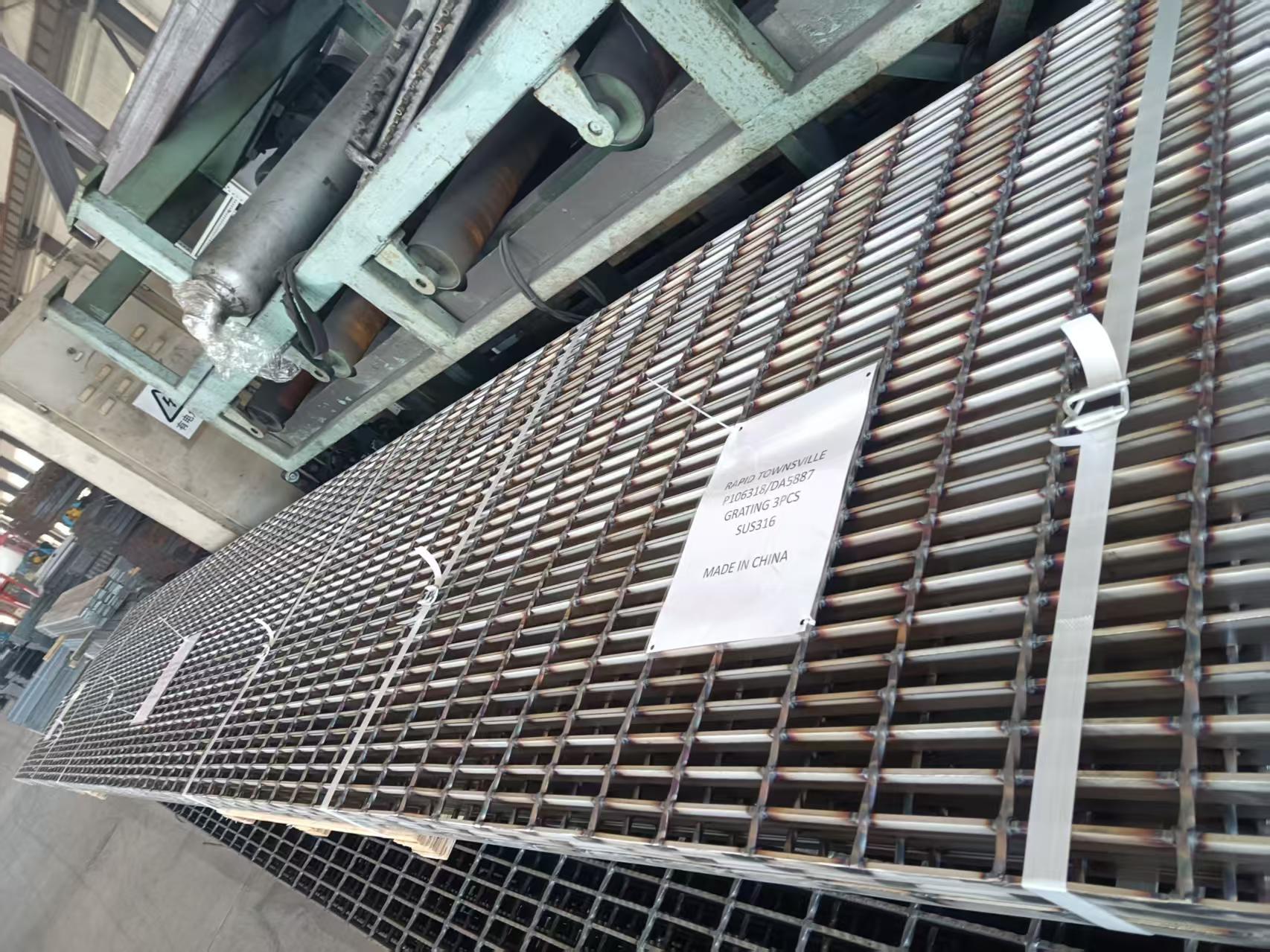
Steel grating is an open-grid structure consisting of bearing bars and cross bars. Unlike a solid trench cover, it allows water, air, and light to pass through the openings. Steel grating is commonly used for walkways, platforms, stair treads, and drainage areas where continuous drainage and ventilation are important.
The choice between trench cover and steel grating depends largely on the function of the covered area. A location requiring a closed protective surface may benefit from trench cover, while areas needing maximum drainage and visibility may be better suited to steel grating.
Drainage Performance: Open Structure vs Closed Surface
One of the biggest differences between trench cover and steel grating is their drainage performance. Steel grating has an open structure that allows water to quickly flow through the gaps between bearing bars. This makes it suitable for areas where continuous drainage is required, such as industrial platforms, wastewater facilities, and outdoor access routes.
Trench cover provides a more enclosed surface. While some designs include drainage openings or slots, the overall structure limits direct water passage compared with open grating. However, this closed design can be an advantage in applications where preventing objects from falling into the trench or maintaining a cleaner surface is more important.
For example, in areas with frequent pedestrian movement, a solid trench cover may provide a smoother walking surface and reduce the possibility of small objects entering the drainage system. In contrast, steel grating may be preferred in locations where large amounts of water need to pass through quickly.
Load Capacity and Structural Requirements
Both trench covers and steel gratings can be designed for different load requirements, but their structural designs respond differently to applied forces.
Trench covers usually rely on a solid panel structure to support loads. They are often used in areas exposed to vehicle traffic, forklifts, or heavy equipment. The thickness, reinforcement design, material strength, and support conditions determine whether the cover can handle the expected load.
Steel grating transfers loads through bearing bars, making the size and spacing of these bars important factors. Proper selection of bearing bar thickness, height, span, and support distance ensures that the grating can withstand the required loads without excessive deflection.
When selecting either product, the application environment should be carefully evaluated. Important considerations include:
- Expected load type: Determine whether the area will experience pedestrian loads, vehicle traffic, equipment loads, or concentrated pressure.
- Installation location: Consider whether the product will be installed indoors, outdoors, underground, or in corrosive environments.
- Maintenance requirements: Evaluate whether the channel needs frequent access for cleaning, inspection, or equipment servicing.
Choosing a product based only on appearance or initial cost may lead to performance issues later. Structural requirements should always be considered before final selection.
Safety Considerations for Different Applications
Safety is another important factor when comparing trench covers and steel grating. In industrial environments, drainage covers are not only used to manage water but also serve as walking or driving surfaces.
Steel grating can provide additional slip resistance through its textured surface, especially when serrated designs are used. The open structure also reduces standing water, which can help improve safety in wet areas. However, the opening size must be suitable for the application to prevent small objects or tools from falling through.
Trench covers provide a more continuous surface, which may be beneficial for areas requiring smooth movement of carts, vehicles, or pedestrians. They are often used where a closed surface is preferred for safety, cleanliness, or accessibility reasons.
The right choice depends on the actual working conditions. Areas exposed to oil, rainwater, or frequent washing may require a surface with better drainage and traction, while locations requiring a cleaner and more solid passage may benefit from trench covers.
Maintenance and Long-Term Performance
Maintenance requirements are another factor that should be considered during selection. Steel grating generally allows easier visual inspection of the drainage area below because of its open structure. Debris can also be easier to identify, although cleaning may be required if materials become trapped within the openings.
Trench covers create a more enclosed drainage system, which can reduce surface debris entering the channel. However, when inspection or cleaning is required, the covers may need to be removed to access the area underneath.
The durability of both products depends on material selection and environmental conditions. Galvanized steel is commonly used where corrosion protection is needed, while stainless steel may be considered for more demanding environments involving chemicals or high moisture exposure.
Regular inspection is still important regardless of the product type. Checking for corrosion, deformation, surface damage, and fixing issues helps maintain safe and reliable performance over time.
How to Choose Between Trench Cover and Steel Grating?
The decision between trench cover and steel grating should be based on the specific requirements of the project rather than a simple comparison of advantages. Each product has suitable applications depending on drainage needs, traffic conditions, maintenance access, and environmental exposure.
Steel grating is often a better choice when:
- High drainage efficiency is required.
- The area needs ventilation and visibility below the surface.
- Workers need a slip-resistant walking surface.
- The installation is used for platforms, walkways, or industrial access areas.
Trench cover may be more suitable when:
- A closed and stable surface is required.
- Vehicles or equipment need to pass over the channel.
- Preventing debris from entering the trench is important.
- A smoother surface is preferred for pedestrian or vehicle movement.
In some projects, both products may be used together. For example, steel grating may be installed in areas requiring continuous drainage, while trench covers may be selected for access points, crossings, or areas requiring a solid surface.
Material Selection and Customization Options
Material choice has a direct impact on the service life and maintenance requirements of drainage covers. Carbon steel is widely used in industrial applications because of its strength and versatility. With suitable surface treatment, it can provide reliable performance in many environments.
Galvanized trench covers and steel gratings are commonly selected for outdoor and humid conditions because the protective zinc coating helps reduce corrosion risk. In environments with higher corrosion requirements, stainless steel options may provide better resistance.
Customization is also important for projects with specific requirements. Dimensions, load ratings, surface treatments, opening designs, and fixing methods may need to be adjusted according to installation conditions. A properly designed drainage cover system can improve safety, reduce maintenance work, and provide better long-term value.
Selecting the Right Drainage Cover Solution
For projects requiring reliable drainage performance and structural durability, selecting the right product design is essential. We specialize in steel grating and trench cover design, manufacturing, and installation, providing solutions suitable for different industrial and commercial applications. By considering factors such as load requirements, installation conditions, material selection, and surface treatment, we can help identify a drainage solution that matches specific project needs.
Conclusion
Both trench cover and steel grating play important roles in drainage applications, but they serve different purposes. Steel grating offers excellent drainage, ventilation, and slip-resistant characteristics, making it suitable for industrial walkways, platforms, and wet environments. Trench cover provides a more enclosed and stable surface, making it a practical choice for areas requiring protection, cleanliness, or vehicle access.
The best choice depends on the actual application conditions, including load requirements, drainage needs, maintenance access, and environmental exposure. By evaluating these factors carefully, project owners and engineers can select a drainage cover solution that provides reliable performance and long-term value.
Frequently Asked Questions
1. What is the main difference between trench cover and steel grating?
The main difference is the structure. Trench cover usually provides a more closed surface, while steel grating has an open-grid design that allows water, air, and light to pass through more easily.
2. Is steel grating stronger than trench cover?
Both can provide high strength when properly designed. The better choice depends on load requirements, support conditions, and application environment rather than the product type alone.
3. Which is better for wet drainage areas?
Steel grating is often preferred for areas requiring high drainage efficiency because its open structure allows water to pass through quickly. However, trench covers may be more suitable where a closed surface is required.
Post time: Oct-10-2026