
In modern urban infrastructure, trench covers play a critical role in ensuring safety, accessibility, and efficiency. These essential components protect pedestrians, vehicles, and utility lines while providing a durable and cost-effective solution for covering trenches, drains, and service channels. For B2B buyers, selecting the right trench cover is crucial for both operational safety and long-term performance.
Understanding Trench Covers
A trench cover is a structural element designed to cover open trenches, utility channels, and drainage systems. They prevent accidents, support traffic loads, and maintain smooth pedestrian and vehicle flow. Depending on the material and design, trench covers can handle varying load capacities and environmental conditions, making them indispensable in construction, municipal projects, and industrial facilities.
Key Types of Trench Covers
Selecting the right type of trench cover depends on the specific application. The most common types include:
● Concrete Trench Covers: Known for durability and high load-bearing capacity. Ideal for areas with heavy vehicular traffic.
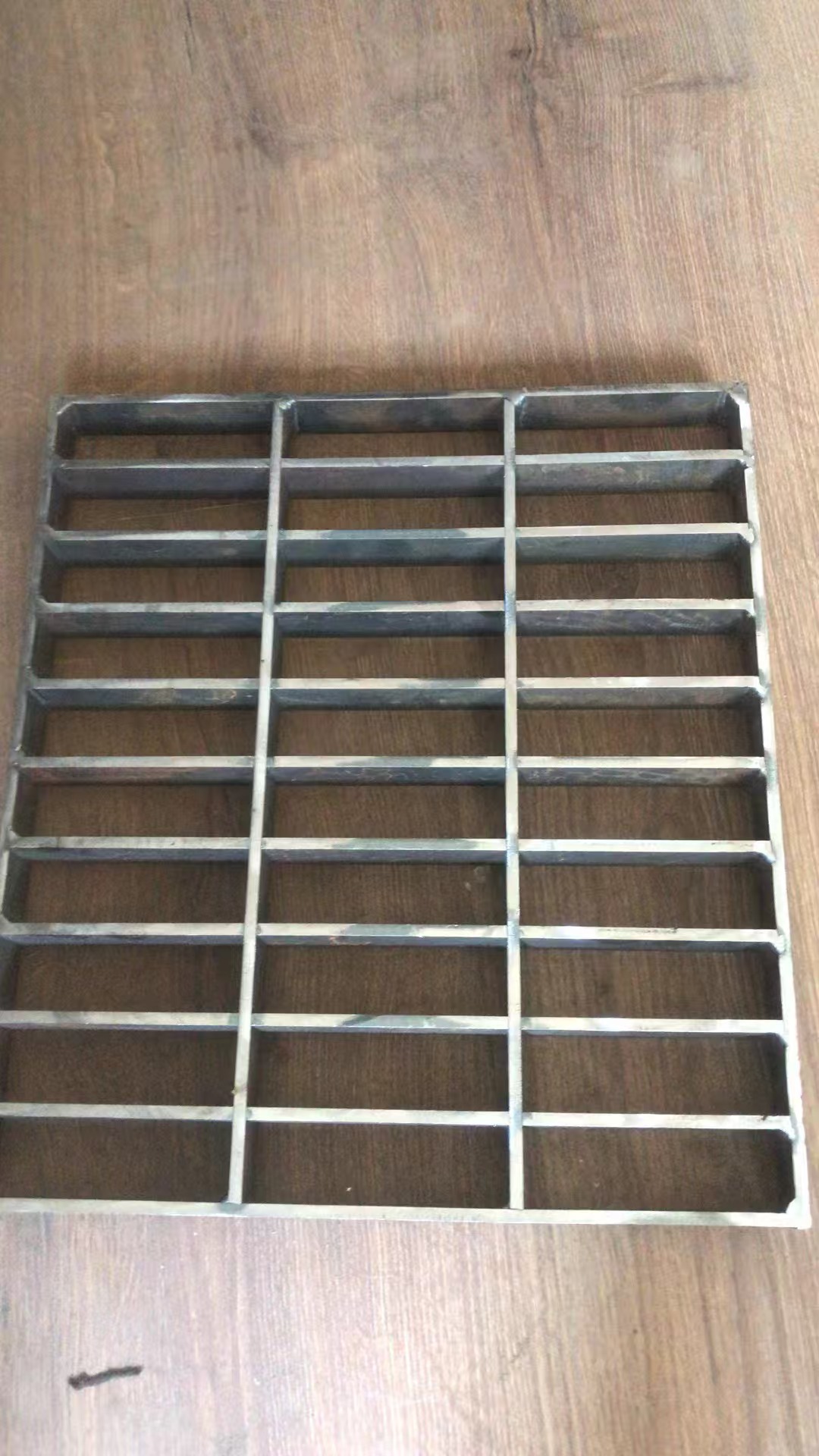
● Steel Trench Covers: Offer high strength and resistance to deformation. Suitable for industrial zones and areas requiring temporary covers.
● Composite and Fiber-Reinforced Covers: Lightweight, corrosion-resistant, and easy to install. Popular in pedestrian areas or zones with moderate traffic.
● Polymer-Based Covers: Offer chemical resistance and reduced weight. Often used in utility channels and industrial sites.
Each type has its benefits and trade-offs, and B2B buyers should consider factors like weight, durability, installation time, and maintenance requirements.
Applications of Trench Covers
Trench covers serve a wide range of applications in urban and industrial infrastructure:
● Roads and Highways: Ensuring safety by covering drainage channels and utility trenches while supporting vehicular loads.
● Industrial Facilities: Protecting cable trenches, water channels, and maintenance passages from damage and hazards.
● Commercial and Residential Complexes: Maintaining clean, safe, and accessible surfaces for pedestrians and vehicles.
● Temporary Construction Sites: Providing durable, easy-to-install covers that can be reused across multiple projects.
Properly designed trench covers not only protect infrastructure but also enhance the aesthetic appeal of the project.
Factors to Consider When Choosing Trench Covers
B2B buyers must evaluate several critical factors to select the most suitable trench cover:
● Load-Bearing Capacity: Ensuring the cover can withstand pedestrian or vehicular traffic without cracking or deforming.
● Material Durability: Choosing materials that resist corrosion, chemical exposure, and environmental conditions.
● Ease of Installation and Maintenance: Lightweight and modular designs reduce labor costs and downtime.
● Compliance with Safety Standards: Adhering to local regulations and international safety standards for public and industrial use.
● Customization Options: Considering size, shape, and surface texture for specific project requirements.
By carefully assessing these factors, buyers can select trench covers that provide both long-term reliability and cost efficiency.
Advantages of High-Quality Trench Covers
Investing in high-quality trench covers offers several benefits:
● Enhanced Safety: Minimizes the risk of accidents and injuries in pedestrian and vehicular zones.
● Long-Term Durability: Reduces maintenance frequency and replacement costs over time.
● Load Management: Supports high traffic loads without compromising structural integrity.
● Aesthetic Appeal: Smooth, uniform trench covers improve the visual appearance of streets, industrial areas, and public spaces.
● Sustainability: Many modern materials are eco-friendly and recyclable, contributing to sustainable urban development.
Installation and Maintenance Best Practices
Efficient installation and proper maintenance are key to maximizing the lifespan of trench covers:
● Ensure the trench or channel is clean and level before installation.
● Use modular designs for easy handling and replacement.
● Regularly inspect covers for cracks, corrosion, or deformation.
● Follow manufacturer guidelines for load limits and environmental conditions.
● Replace damaged covers promptly to prevent accidents and maintain functionality.
Conclusion
Trench covers are more than just protective elements; they are essential components that ensure safety, efficiency, and durability in urban and industrial infrastructure. By selecting the right materials, understanding load requirements, and following best installation practices, B2B buyers can enhance project performance and minimize long-term costs. Whether for roads, industrial sites, or commercial complexes, investing in high-quality trench covers ensures both safety and operational excellence.
FAQ
Q1: What materials are commonly used for trench covers?
A1: Common materials include concrete, steel, composites, and polymer-based options. The choice depends on load requirements, environmental conditions, and application type.
Q2: How do I determine the load-bearing capacity needed for a trench cover?
A2: Assess the expected traffic, including vehicles and pedestrians, and consult material specifications to ensure compliance with safety standards.
Q3: Can trench covers be customized for specific projects?
A3: Yes, many manufacturers offer customization in terms of size, shape, surface texture, and color to meet project requirements.
Q4: How often should trench covers be maintained?
A4: Regular inspections, typically every 6–12 months depending on traffic and environment, are recommended to identify wear, cracks, or corrosion early.
Post time: Dec-25-2025