
Industrial facilities, manufacturing plants, and commercial complexes often rely on elevated work areas, mezzanines, and access platforms. The choice of platform material is crucial to ensure worker safety, operational efficiency, and long-term durability. Steel grating platforms offer a versatile solution that combines structural strength, slip resistance, and excellent drainage performance. For B2B decision-makers, understanding the technical benefits, material options, and practical applications of steel grating platforms can significantly improve project outcomes and reduce operational risks.
What is a Steel Grating Platform?
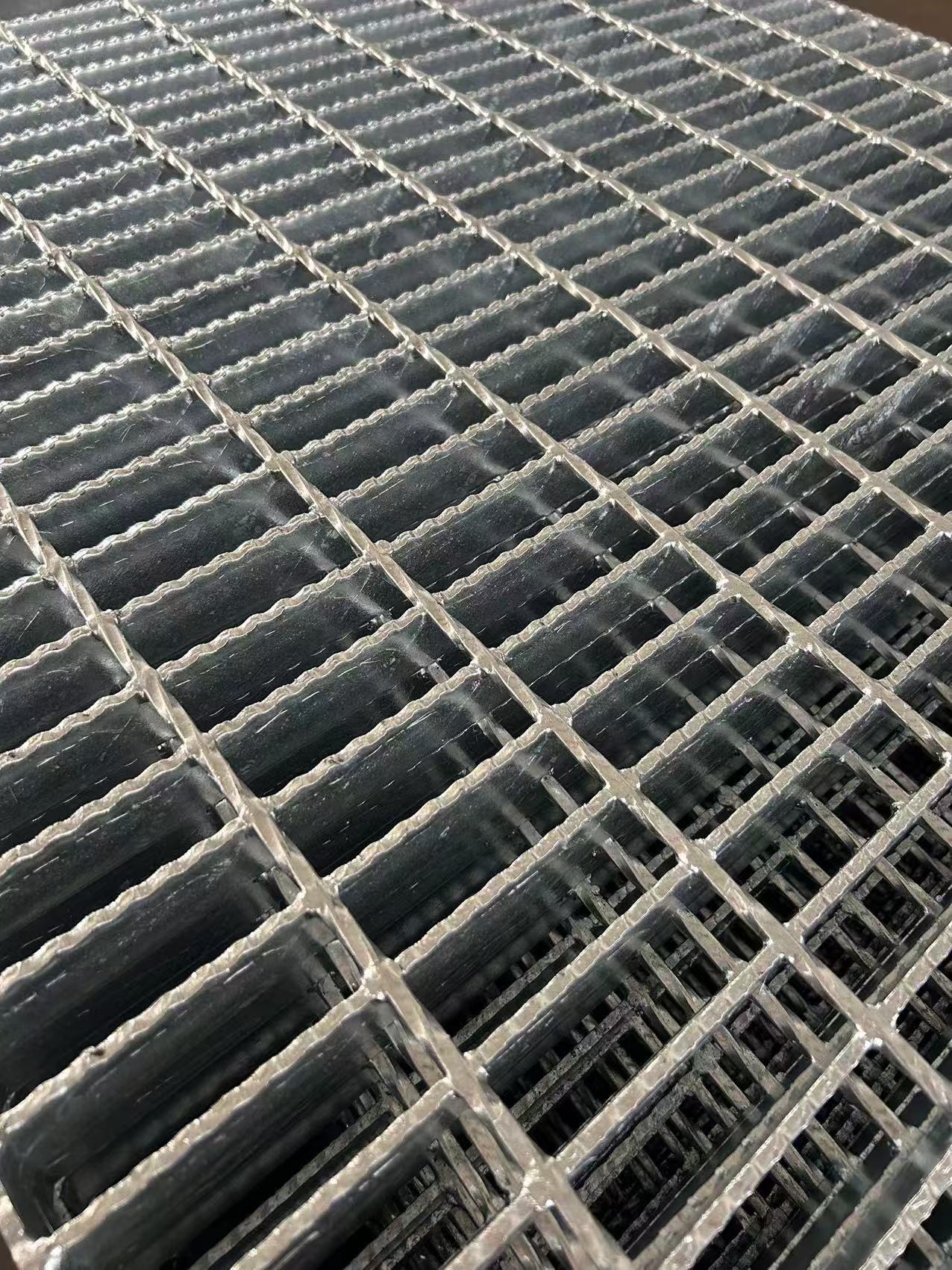
A steel grating platform is a raised structural surface composed of load-bearing steel bars welded or mechanically locked with crossbars to form a rigid grid. This open-grid design allows liquids, debris, and dust to pass through, preventing accumulation and maintaining a safer working environment.
Unlike solid platforms, steel grating platforms provide a lighter yet highly durable alternative, capable of supporting heavy loads while remaining adaptable to various industrial applications. The platforms can be fabricated in different sizes, load ratings, and surface treatments, ensuring they meet the specific demands of B2B industrial projects.
Key Advantages of Steel Grating Platforms
Steel grating platforms provide several benefits that make them indispensable in industrial environments:
● High Load-Bearing Capacity – Capable of supporting personnel, machinery, and equipment safely
● Slip Resistance – Optional serrated or anti-slip surfaces improve traction in wet or oily conditions
● Drainage Efficiency – Open-grid design allows liquids and debris to fall through, reducing hazards
● Durability and Longevity – Resistant to heavy use, corrosion, and extreme temperatures with proper material selection
● Ease of Maintenance – Individual panels can be replaced or removed without dismantling the entire platform
● Customizable Dimensions – Adaptable to specific project requirements for width, length, and height
These advantages make steel grating platforms a strategic investment for industrial infrastructure, balancing safety, efficiency, and long-term cost-effectiveness.
Material Options and Surface Treatments
The right material selection is critical for performance in industrial environments:
● Carbon Steel – Strong and economical for general industrial use
● Hot-Dip Galvanized Steel – Offers protection against corrosion in outdoor or humid conditions
● Stainless Steel – Ideal for chemical plants, food processing facilities, and offshore platforms
● Serrated or Coated Surfaces – Enhance slip resistance and reduce wear in high-traffic areas
Surface treatment and material choice directly influence safety, lifespan, and maintenance requirements, which are essential considerations for B2B buyers seeking reliable, high-performance solutions.
Industrial Applications of Steel Grating Platforms
Steel grating platforms are highly versatile and serve a wide range of industries where safety and durability are priorities:
● Manufacturing Facilities – Mezzanines, elevated walkways, and equipment platforms
● Chemical and Petrochemical Plants – Corrosion-resistant surfaces for hazardous liquids
● Power Generation – Access platforms for turbines, generators, and heavy equipment
● Marine and Offshore Structures – Durable, non-slip surfaces for decks and walkways in wet conditions
● Water and Wastewater Treatment – Platforms for pump stations, tanks, and filtration areas
● Mining and Heavy Industry – Elevated access points and operational platforms for machinery
Integrating steel grating platforms ensures safe movement of personnel, supports heavy loads, and improves operational workflow across these demanding environments.
Installation Best Practices
Proper installation is essential to maximize safety and platform longevity:
● Ensure platforms are correctly aligned and secured to supporting structures
● Use industrial-grade fasteners or brackets for stable attachment
● Maintain flush edges to prevent tripping hazards
● Perform regular inspections for corrosion, wear, or structural damage
● Keep openings clear of debris to maintain drainage efficiency
A well-installed steel grating platform can remain operational for decades, providing excellent return on investment by reducing maintenance costs and enhancing workplace safety.
Compliance and Safety Considerations
Steel grating platforms help industrial facilities meet safety regulations and workplace standards:
● Slip resistance helps satisfy OSHA and other safety guidelines
● Structural load ratings support safe personnel and equipment movement
● Corrosion and chemical resistance ensures compliance in harsh industrial environments
● Durable design minimizes platform replacements and operational disruptions
B2B buyers can leverage these benefits to improve workplace safety, reduce liability, and maintain regulatory compliance.
Why B2B Buyers Prefer Steel Grating Platforms
For B2B projects, steel grating platforms are a preferred solution due to:
● Enhanced workplace safety and reduced accident risk
● Long-term durability in demanding environments
● Modular design for easy maintenance and replacement
● Customizable dimensions, load capacity, and surface treatments
● Cost-effective performance and long-term return on investment
These advantages make steel grating platforms a strategic choice for industrial and commercial infrastructure projects.
Conclusion
Steel grating platforms offer a robust, safe, and versatile solution for elevated industrial surfaces. Their open-grid design ensures drainage efficiency and slip resistance while supporting heavy loads. With appropriate material selection, surface treatment, and proper installation, these platforms deliver long-term durability and operational efficiency. From manufacturing plants to offshore structures, power generation facilities, and water treatment plants, steel grating platforms improve workplace safety, optimize workflow, and enhance B2B investment value.
FAQ:
Q1: What is the main advantage of a steel grating platform over a solid platform?
Steel grating platforms provide better drainage, slip resistance, and lighter weight while maintaining high load-bearing capacity.
Q2: Can steel grating platforms be customized?
Yes, B2B buyers can specify dimensions, load ratings, materials, and surface treatments according to project requirements.
Q3: Where are steel grating platforms commonly used?
They are widely used in manufacturing facilities, chemical plants, power plants, offshore and marine platforms, and water treatment facilities.
Q4: How should steel grating platforms be maintained?
Routine inspection, cleaning of debris, and timely replacement of damaged panels ensure long-term performance and safety.
Post time: Mar-10-2026