
In many industrial environments, flooring is not just a structural element—it is a critical safety factor. Slippery surfaces, frequent cleaning, heavy traffic, and exposure to oil or chemicals create constant risks for workers and equipment. Traditional flooring solutions often fail to deliver consistent safety performance under these conditions. This is where serrated steel grating becomes a highly effective solution.
For B2B buyers, the key concern is not just choosing a product, but solving real operational problems such as slip accidents, maintenance costs, and long-term durability. Serrated steel grating directly addresses these issues by combining structural strength with enhanced traction.
why standard grating is not enough
Many industrial projects initially use plain steel grating or solid flooring systems, only to encounter recurring problems over time:
● Workers slipping in wet or oily areas, leading to safety incidents
● Accumulation of water, chemicals, or debris on walking surfaces
● Rapid wear in high-traffic zones, requiring frequent replacement
● Increased cleaning and maintenance workload
● Difficulty maintaining consistent safety standards across facilities
These issues not only impact safety but also increase operational costs and reduce efficiency. In industries such as oil and gas, manufacturing, and wastewater treatment, even small safety risks can lead to major disruptions.
How serrated steel grating solves these pain points
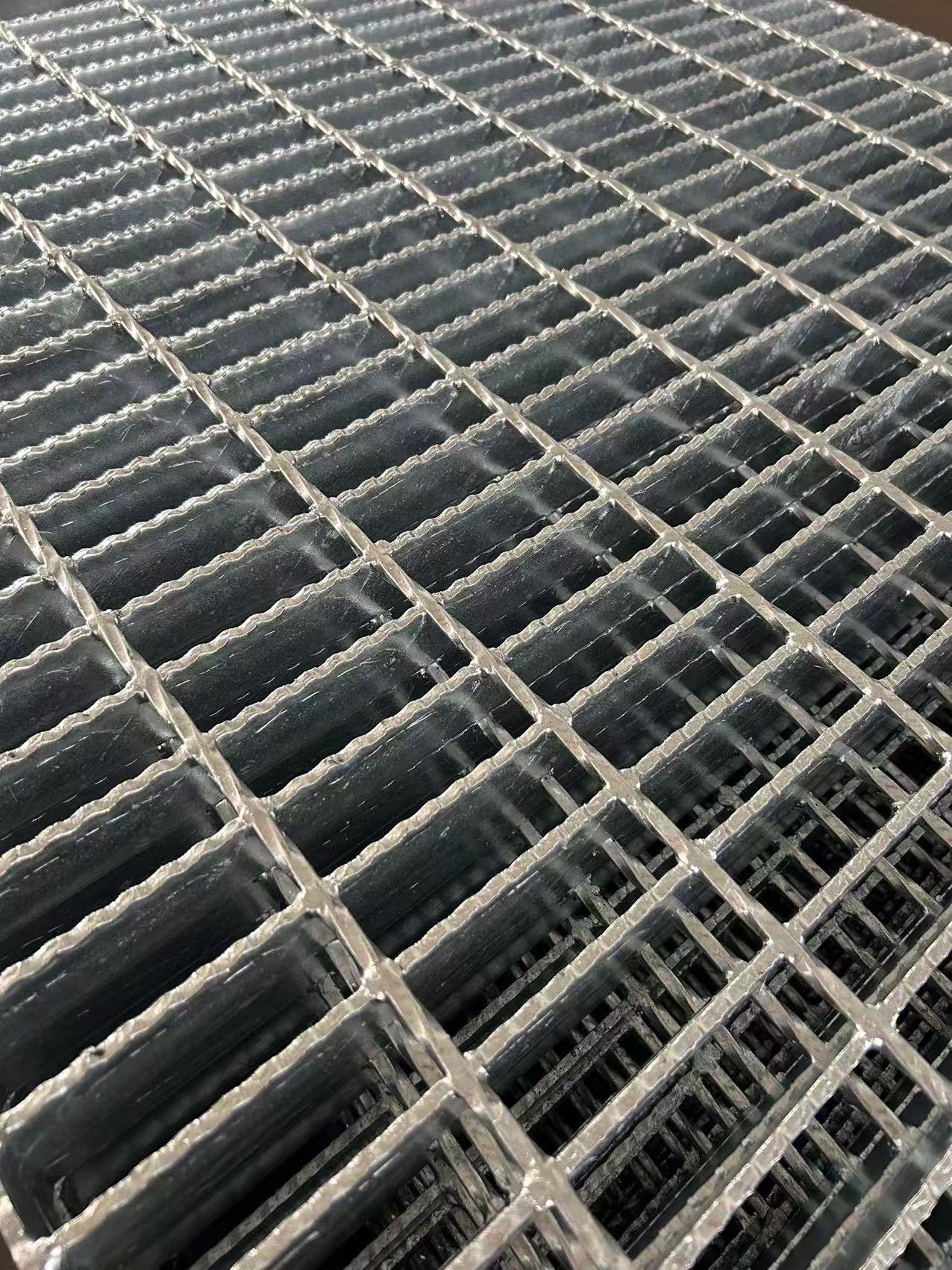
Serrated steel grating is specifically engineered to provide enhanced surface traction through its toothed bearing bars. This design significantly improves grip compared to smooth grating surfaces.
● Improved traction in hazardous conditions
The serrated edges create continuous friction, helping prevent slips even in environments exposed to water, oil, or chemicals.
● Self-draining structure
The open-grid design allows liquids and debris to pass through, reducing surface accumulation and maintaining safer walking conditions.
● Reduced accident risk
By improving surface grip, it directly contributes to lowering workplace injuries and associated costs.
● Consistent performance over time
Unlike coatings that wear off, the serrated structure is built into the steel, ensuring long-term anti-slip performance.
● Lower cleaning effort
With less accumulation on the surface, maintenance teams spend less time managing cleaning and safety checks.
These features make serrated steel grating a practical and reliable solution for high-risk environments.
Where serrated steel grating makes the biggest impact
Serrated steel grating is especially valuable in environments where slip risks and harsh conditions are unavoidable:
● Oil and gas facilities
Surfaces are frequently exposed to oil and water, requiring maximum slip resistance.
● Chemical processing plants
Corrosive substances and wet conditions demand durable and safe flooring.
● Manufacturing workshops
High foot traffic and machine operations increase wear and safety risks.
● Wastewater treatment plants
Constant exposure to moisture and contaminants makes slip prevention essential.
● Outdoor industrial platforms
Rain, snow, and ice create unpredictable hazards that require reliable traction.
In these environments, choosing the right grating directly impacts worker safety and operational continuity.
Addressing long-term cost concerns
One of the most common concerns for B2B buyers is balancing initial cost with long-term value. Serrated steel grating helps reduce hidden costs that are often overlooked:
● Fewer workplace accidents reduce compensation and liability costs
● Lower maintenance requirements decrease labor and operational expenses
● Durable construction minimizes replacement frequency
● Reliable performance reduces downtime caused by safety issues
By focusing on lifecycle cost rather than just upfront pricing, businesses can achieve better financial outcomes.
Material choices for different environments
Selecting the right material ensures that serrated steel grating performs effectively in specific conditions:
● Carbon steel is suitable for general industrial use where corrosion exposure is limited
● Hot-dip galvanized steel provides strong corrosion resistance for outdoor or humid environments
● Stainless steel is ideal for highly corrosive or hygienic environments such as chemical or food processing facilities
Matching material to environment helps maximize durability and performance.
Why more industries are switching to serrated steel grating
The shift toward serrated steel grating reflects a broader trend in industrial safety and efficiency:
● Companies are prioritizing proactive safety measures rather than reactive solutions
● Regulations and safety standards are becoming stricter
● Operational efficiency is increasingly linked to workplace safety
● Buyers are focusing more on long-term value rather than short-term cost
As a result, serrated steel grating is becoming a standard choice in many industries.
Conclusion
Serrated steel grating is not just an upgraded version of standard grating—it is a targeted solution for real-world industrial challenges. By addressing slip hazards, reducing maintenance effort, and improving long-term durability, it helps businesses create safer and more efficient working environments.
For B2B buyers, the decision to use serrated steel grating is ultimately about risk reduction, cost control, and operational reliability. In environments where safety cannot be compromised, it offers a practical and proven solution that delivers measurable results over time.
FAQ:
Q1: What makes serrated steel grating safer than plain grating?
The serrated surface provides better traction, reducing slip risks in wet or oily conditions.
Q2: Does the anti-slip feature wear out over time?
No, the serrations are part of the steel structure, so they maintain performance even after long-term use.
Q3: Is serrated steel grating suitable for outdoor use?
Yes, especially when combined with galvanized or stainless steel materials for corrosion resistance.
Q4: Can it be used in heavy-duty industrial applications?
Yes, it can be designed to meet various load requirements depending on the application.
Post time: Apr-09-2026