
In modern industrial and commercial environments, worker safety and operational efficiency go hand in hand. One of the most effective solutions for slip prevention and structural support is serrated steel grating. With its specialized surface design, this grating is engineered to enhance traction, resist wear, and support heavy loads. It is an ideal choice for industries where wet, oily, or corrosive conditions are common.
For B2B decision-makers, understanding the functional advantages, material options, and practical applications of serrated steel grating can make a significant difference in project safety, compliance, and long-term cost efficiency.
Understanding the Technology Behind Serrated Steel Grating
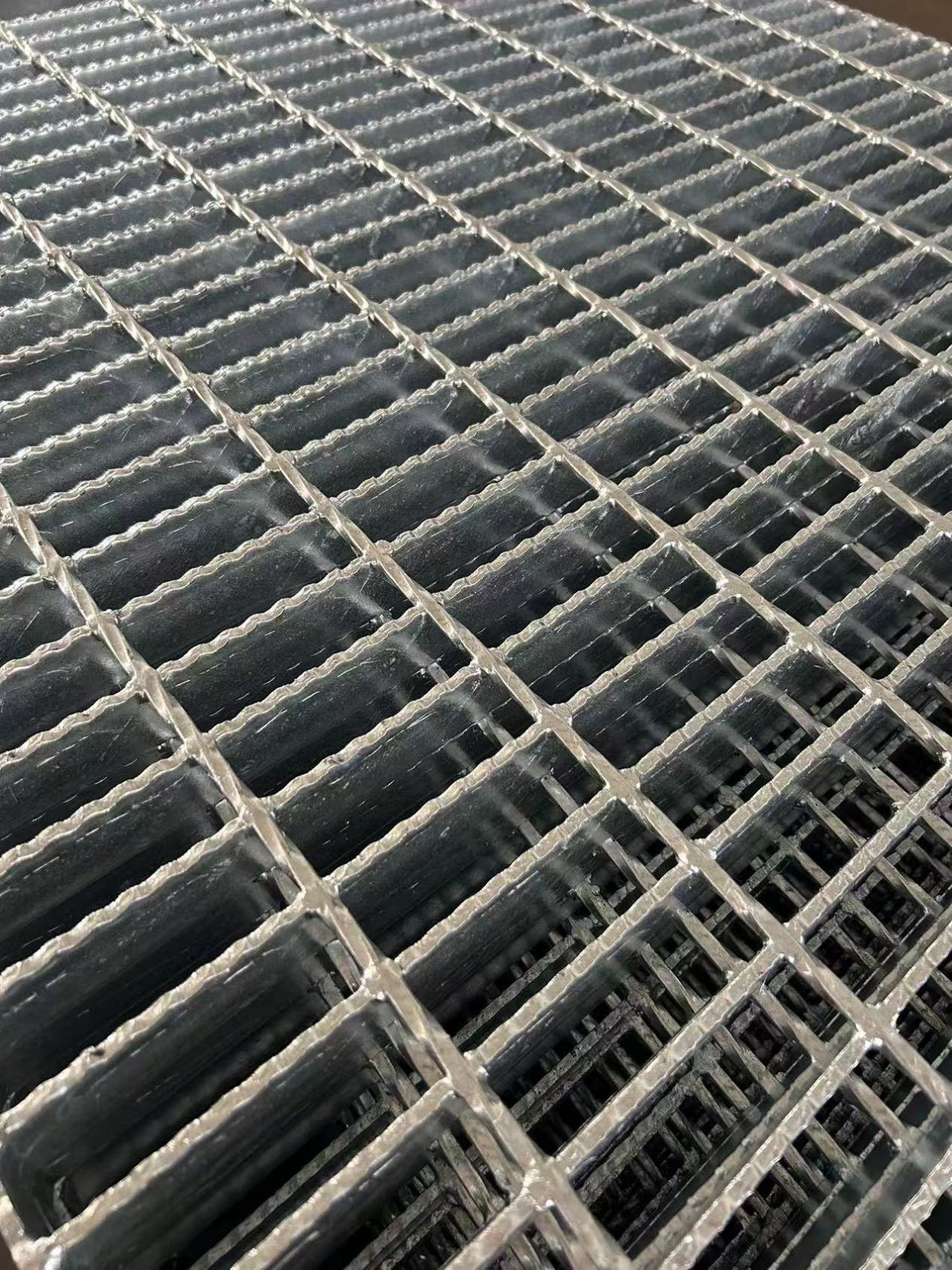
Serrated steel grating consists of a steel grid with teeth or serrations along the top surface of the load-bearing bars. These serrations improve friction, reducing the risk of slips even in challenging conditions such as rain, chemical spills, or snow. Unlike smooth steel grating, the serrated design actively channels liquids and debris through the open grid, enhancing safety and minimizing maintenance needs.
The engineering behind serrated grating also ensures high load-bearing capacity, making it suitable for both pedestrian and vehicular traffic in industrial, marine, or municipal applications.
Industrial Benefits That Matter
The advantages of serrated steel grating extend beyond simple slip resistance:
● Enhanced Traction – Serrated edges create superior grip for people and vehicles
● Long-Term Durability – Constructed from high-strength steel, it withstands corrosion, heavy loads, and extreme conditions
● Efficient Drainage – Open-grid design allows water, oil, or other liquids to pass through, reducing standing hazards
● Ease of Maintenance – Individual panels can be removed or replaced without disrupting the entire installation
● Customizable Options – Grating can be tailored to load requirements, dimensions, and surface treatments
These benefits make serrated steel grating not only a safety feature but also a strategic investment for industrial infrastructure projects.
Common Applications Across Industries
Serrated steel grating is highly versatile and is implemented in diverse settings:
● Manufacturing Facilities – Walkways, mezzanines, and platform floors for operational safety
● Chemical and Petrochemical Plants – Surfaces resistant to oil, acids, and corrosive chemicals
● Power Generation Sites – Access platforms and stair treads designed for heavy equipment
● Marine and Offshore Structures – Durable, corrosion-resistant surfaces for wet and salty environments
● Municipal and Public Infrastructure – Bridges, pedestrian walkways, and drainage covers where safety compliance is crucial
By integrating serrated steel grating into these environments, companies ensure worker protection while maintaining operational efficiency.
Material Selection and Performance Considerations
Choosing the right material and treatment for serrated steel grating is critical to match environmental and load requirements:
● Carbon Steel – Economical, strong, suitable for most industrial applications
● Hot-Dip Galvanized Steel – Resists rust and corrosion in wet outdoor settings
● Stainless Steel – Offers maximum corrosion resistance for chemical or marine environments
● Epoxy-Coated Steel – Protects against chemical exposure while maintaining durability
Material choice affects both safety and lifecycle cost, making it a key factor in B2B procurement decisions.
Installation Practices for Optimal Results
Correct installation ensures that serrated steel grating performs as designed:
● Align panels properly to distribute loads evenly
● Secure panels using industrial-grade fasteners or support brackets
● Ensure edges are flush to prevent trip hazards
● Inspect regularly for signs of corrosion or damage
● Maintain clear drainage paths to avoid liquid accumulation
A well-installed serrated grating system can last decades, providing a high return on investment through enhanced safety and reduced maintenance costs.
Safety and Compliance
Serrated steel grating plays a critical role in meeting workplace safety standards:
● Slip Resistance – Helps facilities comply with OSHA and other regulatory guidelines
● Structural Load Ratings – Supports safe movement of personnel and equipment
● Fire and Heat Resistance – Steel construction provides safety in high-temperature environments
● Environmental Adaptability – Suitable for both indoor and outdoor industrial conditions
Meeting these safety standards is essential for minimizing accidents and maintaining operational efficiency in industrial environments.
Why B2B Buyers Prefer Serrated Steel Grating
From a B2B perspective, serrated steel grating offers tangible advantages:
● Reduces accident liability and enhances workplace safety
● Provides durable, long-lasting flooring solutions in challenging environments
● Minimizes downtime due to easy maintenance and panel replacement
● Offers customizable options for industrial-specific requirements
● Ensures compliance with national and international safety codes
Investing in serrated steel grating aligns with operational efficiency, employee safety, and long-term cost-effectiveness.
Conclusion
Serrated steel grating is a high-performance solution for industries requiring superior slip resistance, load-bearing capability, and durability. Its open-grid and serrated surface design makes it ideal for walkways, platforms, stair treads, and drainage covers exposed to liquids, chemicals, or high traffic. By carefully selecting material, load rating, and surface treatment, B2B buyers can implement a solution that maximizes safety, operational efficiency, and ROI across industrial, marine, and municipal applications.
FAQ:
Q1: What makes serrated steel grating different from standard steel grating?
The serrated surface provides enhanced slip resistance by increasing traction, especially in wet, oily, or hazardous environments.
Q2: Where is serrated steel grating most commonly used?
It is used in industrial plants, chemical facilities, power plants, offshore structures, and municipal walkways for safety and durability.
Q3: Can serrated steel grating be customized?
Yes, it can be tailored to specific dimensions, load capacities, material choices, and surface treatments.
Q4: How is serrated steel grating maintained?
Routine inspection, cleaning debris or liquids, and timely replacement of damaged panels ensure long-term performance and safety.
Post time: Feb-05-2026