
S slip resistance is an important consideration when designing safe industrial walkways, work platforms, stairways, and maintenance areas. In environments exposed to water, oil, dust, or other contaminants, smooth flooring can increase the risk of slips and falls. Serrated steel grating offers a practical solution by combining a textured walking surface with an open structure that supports drainage and ventilation. Understanding how it works, where it is used, and how to select the right specifications can help improve workplace safety and long-term performance.
What Is Serrated Steel Grating?
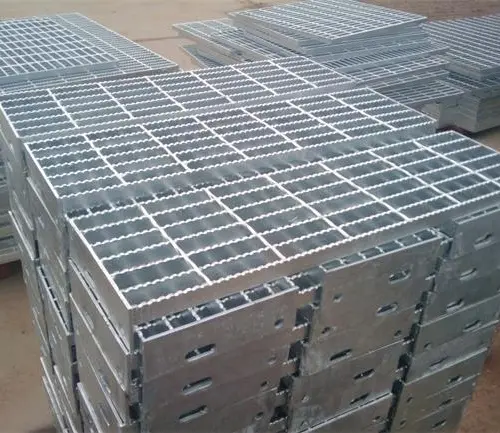
Serrated steel grating is a type of metal grating with regularly spaced notches or teeth along the upper surface of its bearing bars. These serrations create a rougher contact surface than conventional flat steel grating, helping provide better traction under various operating conditions.
Like standard steel grating, serrated grating typically consists of load-bearing bars connected by cross bars. The open spaces between the bars allow water, debris, and other materials to pass through instead of accumulating on the walking surface. This structure makes serrated steel grating suitable for locations where both slip resistance and drainage are important.
How Serrated Steel Grating Improves Slip Resistance
The main safety advantage of serrated steel grating comes from its textured upper surface. The notched edges create additional contact points that can help footwear maintain traction, particularly in areas where smooth metal surfaces may become slippery.
However, actual slip resistance depends on several factors, including the serration profile, footwear, surface contamination, and operating conditions. Serrated grating should therefore be considered part of a broader workplace safety strategy rather than a complete substitute for appropriate footwear, cleaning procedures, and other protective measures.
Better Traction in Wet Conditions
Water can form a slippery film on smooth flooring, particularly in areas exposed to frequent washing, rainfall, or process liquids. The serrated surface of steel grating can help improve traction by providing a more textured contact area. Its open construction also allows water to drain through the panel, reducing the likelihood of standing water accumulating across the walking surface.
This combination is useful in outdoor platforms, equipment access areas, and industrial facilities where wet conditions are common. Proper installation and regular inspection remain important to ensure that drainage paths are not blocked.
Improved Performance in Contaminated Environments
Industrial floors may be exposed to oil, grease, mud, dust, or other residues that affect traction. Serrated steel grating can provide a more suitable walking surface than smooth steel in these conditions, although its effectiveness varies with the type and amount of contamination.
Regular cleaning is still necessary because accumulated grease or compacted debris can reduce the benefits of the serrated profile. Selecting the right grating design should take into account the actual contaminants present and the cleaning methods used at the facility.
Effective Drainage and Debris Passage
The open-grid structure of serrated steel grating allows liquids and small particles to pass through the panel. This reduces surface accumulation and can simplify cleaning in suitable applications. It also promotes airflow, which can be beneficial in industrial platforms and service areas.
The opening size must be selected carefully. Large openings may not be appropriate for areas used by small-wheeled equipment or where tools and small components could fall through. Safety requirements, accessibility, and the nature of the materials handled should all be considered during design.
Key Applications of Serrated Steel Grating
Serrated steel grating is used in industrial environments where workers need stable access to equipment and elevated areas. Its combination of traction, drainage, and structural strength makes it suitable for a wide range of installations.
- Industrial walkways and platforms: Used around machinery, production lines, and elevated work areas where maintenance personnel need reliable access.
- Stair treads and access ladders: The serrated surface can help improve footing on stairs and access routes, especially where moisture is present.
- Wastewater treatment plants: Suitable for selected walkways and service platforms exposed to water, humidity, and routine maintenance activities.
- Oil, gas, and chemical facilities: Used in appropriate access areas where surface contamination and drainage need to be considered.
- Outdoor maintenance structures: Open grating supports drainage and ventilation in locations exposed to rain and changing weather conditions.
The most suitable configuration depends on the intended use, expected loads, environmental exposure, and applicable safety standards. Not every serrated grating panel is suitable for every application, so specifications should be matched to the actual operating conditions.
How to Choose the Right Serrated Steel Grating
Selecting serrated steel grating requires more than choosing a panel with a textured surface. The design must provide adequate load-bearing performance while meeting the safety and durability requirements of the installation.
Important factors include the following:
- Load capacity and span: Consider the expected loads, including workers, tools, equipment, and any concentrated loads. Bearing bar dimensions and support spacing must be appropriate for the required capacity.
- Bar spacing and openings: Select openings that support drainage while accounting for footwear, small objects, wheeled equipment, and applicable safety requirements.
- Material and corrosion protection: Match the steel type and surface treatment to moisture levels, chemical exposure, temperature, and maintenance conditions.
- Panel dimensions and installation: Confirm panel size, support locations, fastening methods, and access requirements before fabrication and installation.
Bearing bar height and thickness directly influence structural performance. Longer spans or heavier loads may require stronger grating or additional support. Engineering calculations and relevant standards should be used where necessary, particularly for elevated platforms and areas carrying equipment.
It is also important to consider the direction of the bearing bars, the arrangement of supports, and the method used to secure each panel. Correct installation helps prevent movement, uneven surfaces, and other conditions that could create safety risks during operation.
Installation and Maintenance Considerations
Even well-designed serrated steel grating requires proper installation and ongoing maintenance. Panels should be supported and secured according to the project specifications, with particular attention to joints, edges, openings, and areas around equipment. Improperly secured panels may shift under repeated loading, while damaged supports can compromise the stability of the entire installation.
Inspection frequency should reflect the operating environment and level of use. Areas exposed to heavy traffic, vibration, chemicals, or frequent washing may require more frequent checks. Inspections should look for corrosion, bent bearing bars, loose fasteners, damaged welds, blocked openings, and other signs of deterioration.
Cleaning is equally important. Dirt, grease, and compacted debris can accumulate around the serrations and reduce traction. Use cleaning methods and products that are compatible with the grating material and surface treatment. Any damaged panels or fastening components should be assessed promptly and repaired or replaced when necessary.
Where grating is installed at height or forms part of an access route, maintenance activities should follow the facility’s safety procedures. Temporary access restrictions may be necessary while inspections or repairs are being carried out.
Finding the Right Serrated Steel Grating Solution
For projects that require reliable slip resistance and long-term performance, choosing the right serrated steel grating is just as important as understanding its application. We specialize in steel grating design, manufacturing, and installation, and offer serrated steel grating products for different industrial applications. By considering load capacity, panel dimensions, and surface treatment, we can help identify a solution suited to the specific working environment and project requirements.
Conclusion
Serrated steel grating provides a practical combination of surface traction, drainage, and structural performance for many industrial access applications. Its textured bearing bars can help improve footing in wet or contaminated environments, while its open structure allows liquids and debris to pass through. To achieve reliable results, the grating must be selected according to load requirements, span, material, corrosion exposure, and installation conditions. Regular cleaning and inspection also help maintain its performance throughout its service life.
Frequently Asked Questions
1. What is the main advantage of serrated steel grating?
Its main advantage is the textured surface, which can help improve traction compared with smooth steel grating. The open-grid design also supports drainage and ventilation.
2. Is serrated steel grating suitable for outdoor use?
Yes. It can be used for outdoor walkways, platforms, and stair treads. The material and protective coating should be selected according to moisture levels, corrosion exposure, and expected maintenance.
3. How do I choose the correct serrated steel grating specifications?
Consider the required load capacity, support span, bearing bar dimensions, opening size, material, surface treatment, and installation method. Project conditions and applicable safety standards should guide the final selection.
4. Does serrated steel grating require regular maintenance?
Yes. Routine inspections and cleaning help identify corrosion, damaged bars, loose fasteners, and blocked openings. Maintenance requirements depend on the operating environment, traffic levels, and material used.
Post time: Oct-09-2026