
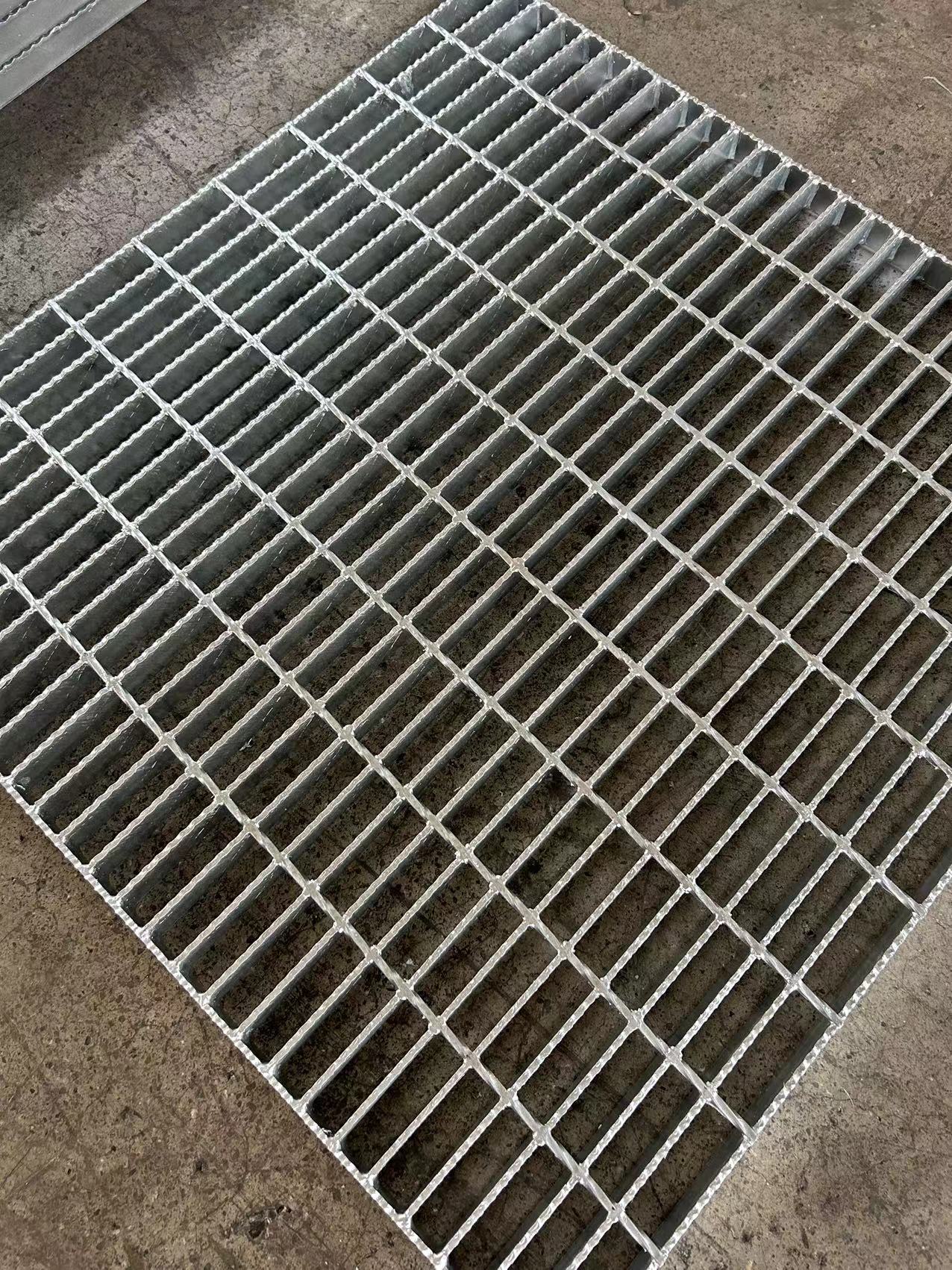
Serrated Steel Grating is widely used for industrial walkways, maintenance platforms, stair treads, and access systems where surface safety is a key consideration. Compared with standard flat steel grating, serrated grating provides improved traction through a specially processed bearing bar surface, making it suitable for areas where water, oil, dust, or other contaminants may affect walking stability.
However, selecting an anti slip steel grating for walkway applications is not simply a matter of choosing a serrated surface. In real industrial projects, the most suitable grating solution depends on several factors, including the working environment, load requirements, drainage conditions, installation structure, and future maintenance needs.
A professional serrated steel grating supplier should not only provide grating panels but also help evaluate the complete access system, ensuring that the selected grating matches the actual application.
When Should Industrial Projects Choose Serrated Steel Grating?
In many industrial environments, walkway safety is affected by conditions that cannot be controlled completely. A platform near production equipment may occasionally be exposed to oil or lubricants. Outdoor walkways may become slippery after rainfall. Wastewater treatment facilities may remain wet for long periods due to continuous moisture and water exposure.
In these situations, the problem is usually not whether the steel grating has enough strength, but whether the surface can provide stable footing during daily operation.
Serrated Steel Grating improves walking stability by adding a serrated pattern on the top of the bearing bars. This design creates additional contact points between footwear and the grating surface, helping reduce slipping risks when the working surface is wet or contaminated.
Typical applications include:
- Industrial maintenance platforms;
- Factory access walkways;
- Equipment service areas;
- Steel grating stair treads;
- Wastewater treatment facilities;
- Outdoor steel platforms;
- Marine and coastal structures.
For these applications, the grating needs to provide more than structural support. It should also create a safer and more practical working surface.
Serrated Steel Grating Is Not Always the Best Choice for Every Area
Although serrated grating provides better slip resistance, it does not mean every platform should use this type of surface.
The correct choice depends on the actual operating environment.
For example, a clean indoor platform with limited moisture exposure may not require a serrated surface. A standard steel grating solution may already provide sufficient performance while being easier to clean.
However, for areas where workers frequently encounter water, oil, mud, or changing weather conditions, serrated steel grating for industrial walkway applications can provide additional safety value.
The selection should consider:
| Working Condition | Recommended Consideration |
|---|---|
| Dry indoor access platform | Standard steel grating may be suitable |
| Outdoor walkway with rain exposure | Serrated grating can improve traction |
| Oil or liquid contamination area | Anti-slip surface is more important |
| Industrial stair system | Serrated stair treads are often preferred |
| Heavy-duty maintenance platform | Consider load and surface requirements together |
The goal is not to choose the most aggressive surface design, but to choose a grating structure that matches the actual working conditions.
How to Select the Right Serrated Steel Grating for a Project?
Many steel grating problems happen because the surface type is considered separately from the overall structure. A successful grating system needs to balance safety, load capacity, installation, and long-term use.
Load Capacity and Bearing Bar Design
The serrated surface improves traction, but the structural performance still depends on the basic grating design.
Important factors include:
- Bearing bar height;
- Bearing bar thickness;
- Bearing bar spacing;
- Support span;
- Panel dimensions.
A heavy duty serrated steel grating used on an equipment platform may require a different structure from a pedestrian walkway.
The correct specification should be selected according to the actual load condition rather than only the appearance of the grating.
Drainage Performance
One of the reasons serrated steel grating performs well in wet environments is its open structure. Water, dust, and small debris can pass through the grating instead of remaining on the walking surface.
However, drainage performance also depends on:
- Grating opening size;
- Installation direction;
- Supporting structure;
- Surrounding drainage system.
A good anti-slip solution should work together with proper drainage design. A serrated surface alone cannot solve problems caused by poor platform layout or water accumulation.
Surface Treatment and Material Selection
For outdoor and industrial applications, corrosion protection is another important consideration.
Common choices include:
- Hot-dip galvanized serrated steel grating;
- Painted carbon steel serrated grating;
- Stainless steel serrated grating for special environments.
Among them, hot dip galvanized serrated steel grating is widely selected for industrial platforms because it combines mechanical strength with long-term corrosion protection.
The right surface treatment should match the actual environment, including humidity, chemical exposure, outdoor conditions, and maintenance requirements.
Why Are Serrated Steel Grating Stair Treads Widely Used?
Stair areas usually require more attention than horizontal walkways because users need to maintain balance while changing elevation.
A slippery stair surface can create a higher safety risk than a flat platform. Therefore, serrated steel grating stair treads are commonly used for industrial stairs, maintenance access stairs, and equipment platforms.
A suitable stair tread design should consider:
- Anti-slip performance;
- Tread width;
- Structural strength;
- Drainage;
- Connection with stair stringers;
- Handrail position.
For industrial projects, stair treads are usually not independent components. They need to work together with supporting structures and handrails to create a complete access solution.
Custom Serrated Steel Grating for Complex Industrial Applications
Many industrial projects cannot use standard-size grating panels directly. Equipment layouts, pipe systems, structural beams, and maintenance openings often require customized designs.
A custom serrated steel grating solution may include:
- Different panel dimensions;
- Irregular cut-outs;
- Pipe and equipment openings;
- Edge bars;
- Removable access panels;
- Special fixing requirements.
For example, a maintenance platform around large equipment may require multiple openings and customized panels. A wastewater facility may need removable grating sections for regular cleaning. An outdoor steel structure may require panels designed around existing support conditions.
Working with an experienced serrated steel grating manufacturer helps ensure that the grating is produced according to engineering drawings rather than adjusted extensively on site.
Choosing a Serrated Steel Grating Supplier for Complete Project Solutions
For industrial projects, choosing a Serrated Steel Grating Supplier is not only about getting standard grating panels. More importantly, the supplier should understand the application requirements and provide a solution that matches the project structure, installation conditions, and long-term use.
Different environments require different grating designs. Equipment platforms may need customized openings and removable panels, while outdoor walkways and wet areas may require anti-slip surfaces, proper drainage, and corrosion-resistant treatment.
First Steel Grating provides customized steel grating solutions based on project requirements, including product selection, fabrication details, and installation considerations.
Our solutions include:
- Serrated Steel Grating for industrial walkways and platforms requiring improved slip resistance;
- Hot-Dip Galvanized Steel Grating for outdoor and industrial environments requiring corrosion protection;
- Steel Grating Stair Treads for safer industrial access systems;
- Platform Grating designed according to load requirements and support structures;
- Trench Covers and drainage grating solutions for industrial drainage applications;
- Customized grating fabrication based on drawings, dimensions, openings, and project requirements;
- Matching fixing accessories for stable installation and easier maintenance.
Based on customer drawings and application requirements, First Steel Grating can help optimize details such as panel dimensions, bearing bar direction, cut-outs, edge treatment, and installation methods.
By coordinating grating panels, supporting structures, and installation requirements together, projects can reduce on-site adjustments and achieve a more reliable final installation.
Whether for industrial walkways, equipment platforms, maintenance areas, stair systems, or drainage applications, First Steel Grating provides practical and customized solutions for different project needs.
Conclusion
Serrated Steel Grating provides an effective solution for industrial areas where walking safety, drainage, and durability need to be considered together.
The right choice is not simply the grating with the strongest anti-slip surface. A successful solution should match the actual environment, including load requirements, moisture conditions, maintenance needs, and installation structure.
For industrial walkways, platforms, stairs, and access systems, working with an experienced serrated steel grating supplier allows projects to obtain customized solutions that better fit real operating conditions.
A properly designed serrated grating system can improve workplace safety, reduce maintenance difficulties, and provide reliable performance in demanding industrial environments.
FAQ
1. What is Serrated Steel Grating mainly used for?
Serrated Steel Grating is commonly used for industrial walkways, maintenance platforms, stairs, outdoor access structures, wastewater facilities, and other areas where improved slip resistance is required.
2. Is Serrated Steel Grating stronger than standard steel grating?
Not necessarily. The main difference is the surface design of the bearing bars. Structural strength depends on factors such as bearing bar size, spacing, material, and support conditions.
3. Is hot dip galvanized serrated steel grating suitable for outdoor applications?
Yes. Hot-dip galvanized serrated steel grating is widely used for outdoor platforms and industrial environments because it provides corrosion protection and improved walking stability.
4. Can serrated steel grating be manufactured according to drawings?
Yes. Custom serrated steel grating can be produced according to project drawings, panel dimensions, load requirements, openings, surface treatment, and installation conditions.
Post time: Sep-08-2026