
In industrial and commercial settings, flooring and walkway safety are crucial. Serrated steel grating has emerged as a vital solution for industries that demand durability, slip resistance, and ease of maintenance. This type of grating is widely used across manufacturing plants, offshore platforms, warehouses, and heavy-duty facilities where both performance and safety are non-negotiable. Understanding its advantages, applications, and technical considerations is essential for B2B buyers aiming to optimize their operations.
What is Serrated Steel Grating?
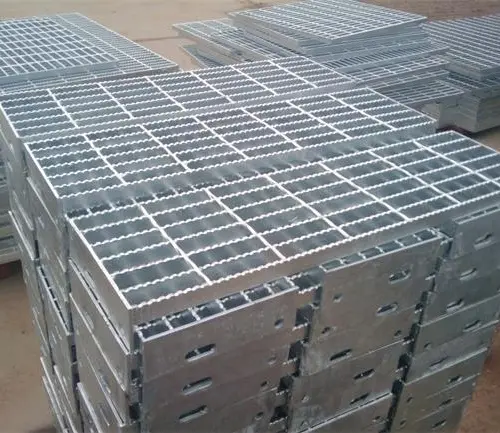
Serrated steel grating is a type of steel flooring and platform material characterized by its unique serrated surface. Unlike smooth steel grating, the serrated edges provide enhanced traction, reducing the risk of slips and falls in areas exposed to water, oil, or other liquids. Typically made from high-quality carbon steel or stainless steel, serrated steel grating combines strength, durability, and anti-slip performance.
Key features include:
● Slip-resistant serrations for maximum safety
● Heavy load-bearing capacity for industrial use
● Corrosion-resistant options with galvanization or stainless steel
● Customizable dimensions to suit various applications
Advantages of Using Serrated Steel Grating
Industries benefit from serrated steel grating for multiple reasons:
● Enhanced Safety: The serrated surface significantly reduces the risk of slips and falls, meeting OSHA and other safety standards.
● Durability: Manufactured from high-strength steel, it withstands heavy loads and harsh environments.
● Low Maintenance: Easy to clean and resistant to rust and corrosion (especially when galvanized or stainless steel is used).
● Versatility: Suitable for walkways, platforms, stair treads, catwalks, and drainage covers.
● Cost-Effective: Long service life reduces replacement costs, making it a practical investment for industrial operations.
Common Types of Serrated Steel Grating
Choosing the right type of serrated steel grating depends on the application and load requirements. Common types include:
-
Welded Serrated Steel Grating
-
Constructed by welding bearing bars and cross bars together
-
Provides excellent strength and rigidity
-
Ideal for heavy-duty platforms and industrial flooring
-
-
Press-Locked Serrated Steel Grating
-
Bearing and cross bars are locked under high pressure
-
Lightweight yet strong, suitable for maintenance walkways and mezzanines
-
-
Swaged Serrated Steel Grating
-
Cross bars are mechanically swaged into bearing bars
-
Offers a uniform surface and efficient drainage for outdoor or wet environments
-
-
Stainless Steel Serrated Grating
-
Resistant to corrosion, chemicals, and extreme temperatures
-
Preferred in food processing, chemical plants, and offshore facilities
-
Applications of Serrated Steel Grating in B2B Industries
Serrated steel grating is used in numerous commercial and industrial scenarios:
● Manufacturing Plants: For elevated walkways, machine platforms, and maintenance areas.
● Oil & Gas: Offshore platforms and refineries require anti-slip surfaces exposed to harsh conditions.
● Warehouses & Distribution Centers: Heavy load-bearing areas such as mezzanines and storage platforms.
● Food & Beverage Industry: Stainless steel serrated grating ensures hygiene and slip resistance in wet areas.
● Construction & Infrastructure: Stair treads, drainage covers, and pedestrian walkways.
● Mining & Heavy Industry: Handling high loads and resisting wear in abrasive environments.
Key Considerations for B2B Buyers
When sourcing serrated steel grating, buyers should consider:
● Material: Choose between carbon steel, galvanized steel, or stainless steel depending on environment and corrosion risk.
● Load-Bearing Capacity: Ensure the grating supports the expected static and dynamic loads.
● Serration Design: Different serration patterns can provide varying levels of anti-slip performance.
● Size & Customization: Grating panels should match your structural dimensions for seamless installation.
● Compliance & Safety Standards: Look for products meeting OSHA, ISO, or local safety regulations.
Installation and Maintenance Insights
Proper installation of serrated steel grating ensures maximum safety and performance. Key recommendations include:
● Securely fastening panels to prevent movement under load
● Checking for even alignment to avoid tripping hazards
● Routine inspection for corrosion, wear, and damaged serrations
● Periodic cleaning to maintain slip-resistance, particularly in wet or oily environments
With the right installation and maintenance practices, serrated steel grating can serve industrial facilities for decades without compromising safety or efficiency.
Conclusion
Serrated steel grating is an essential component in industrial and commercial applications where safety, durability, and load-bearing performance are critical. Its anti-slip properties, long-lasting construction, and low-maintenance characteristics make it a preferred choice for B2B buyers in manufacturing, oil & gas, food processing, and heavy industries. By understanding the types, advantages, and application scenarios, businesses can select the ideal serrated steel grating to meet operational requirements and regulatory standards, ensuring workplace safety and productivity.
FAQ
Q: What makes serrated steel grating safer than smooth steel grating?
The serrated surface provides additional traction, reducing the risk of slips in wet or oily environments.
Q: Can serrated steel grating be used outdoors?
Yes, galvanized or stainless steel versions are ideal for outdoor use due to their resistance to corrosion and weathering.
Q: How customizable is serrated steel grating?
Grating panels can be manufactured in various sizes, load capacities, and serration patterns to match specific industrial needs.
Q: What industries benefit most from serrated steel grating?
Manufacturing, oil & gas, food processing, construction, mining, and heavy industry all benefit from its safety and durability features.
Post time: Nov-12-2025