
Press-welded steel grating is one of the most widely used structural flooring and load-bearing materials in heavy industrial environments, commercial buildings, municipal facilities, marine platforms, and energy infrastructure. As safety standards, durability expectations, and cost-efficiency requirements increase across global markets, press-welded steel grating continues to play a crucial role in improving structural performance, equipment access, pedestrian safety, and operational reliability.
In modern industrial engineering, flooring and support structures must withstand high static and dynamic loads, resist corrosion, allow drainage and ventilation, and provide long service life with minimal maintenance. These requirements have made press-welded steel grating a preferred choice for EPC contractors, construction companies, equipment manufacturers, plant designers, and infrastructure developers worldwide.
What Is Press-Welded Steel Grating?
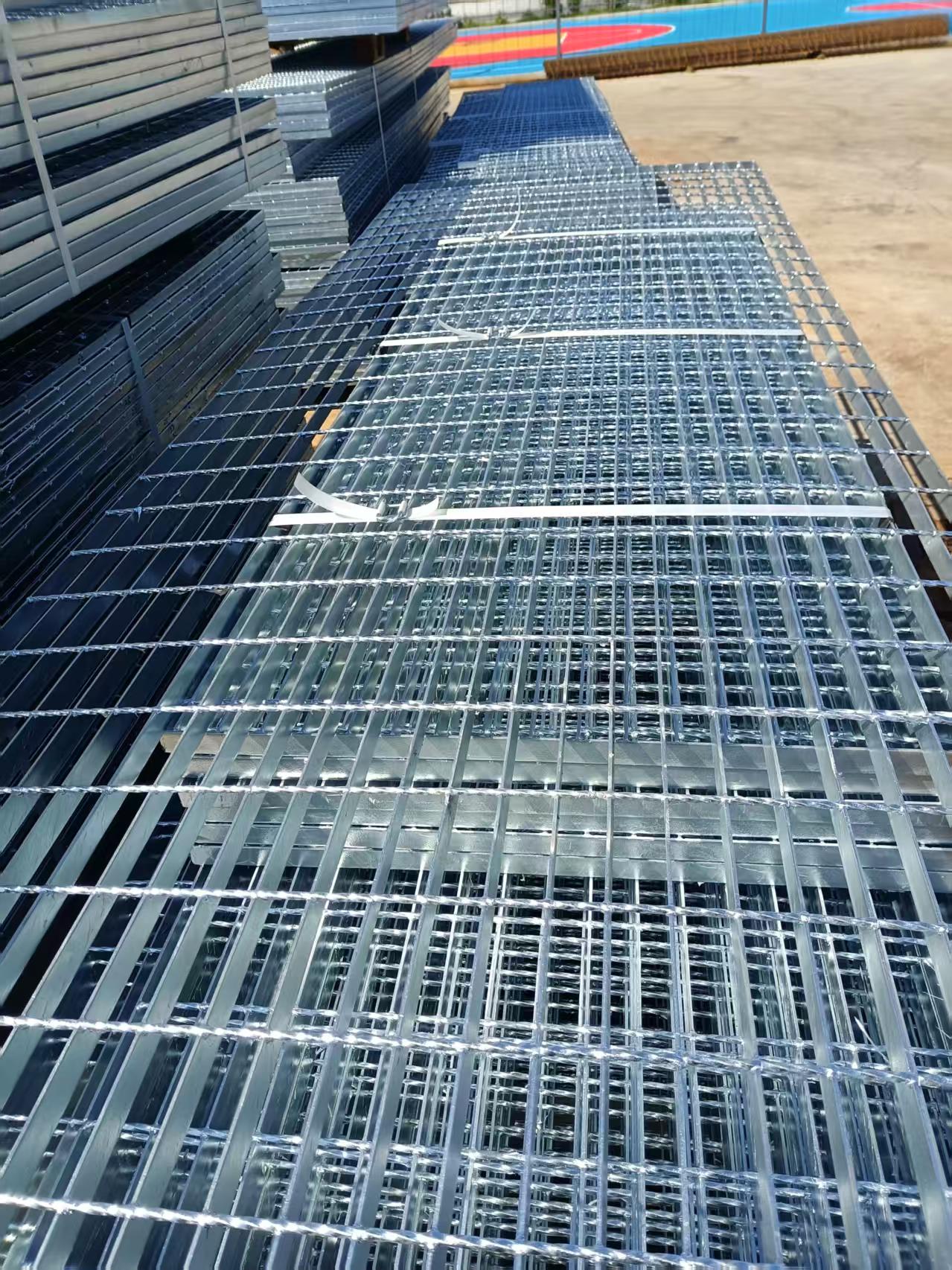
Press-welded steel grating is a modular metal structure consisting of bearing bars and cross bars that are fixed using high-pressure resistance-welding technology. This process creates a uniform, rigid, and high-strength panel capable of supporting industrial loads. Compared with traditional steel plates or manually fabricated flooring, press-welded steel grating offers superior mechanical performance, lighter weight, and enhanced structural reliability.
Key functional characteristics include:
• High load-bearing capacity for heavy-duty industrial operations
• Resistance-welding ensures uniform strength and excellent rigidity
• Reduced overall weight compared to solid steel flooring
• Superior drainage, ventilation, and airflow capability
• Non-slip surface design suitable for high-traffic areas
• Stable and durable under continuous mechanical stress
These features make the material suitable for demanding workplaces such as chemical processing plants, refineries, ports, logistics terminals, offshore structures, and large-scale manufacturing facilities.
Manufacturing Process and Structural Performance
Press-welded steel grating is typically produced using fully automatic resistance-welding equipment. The process ensures that the cross bars are firmly fused to the bearing bars, providing mechanical consistency throughout the entire panel.
Benefits of the manufacturing method:
• Precise spacing between bearing bars and cross bars
• Uniform mechanical strength across the panel surface
• Strong resistance to impact, shock loads, and deformation
• Longer service life in harsh conditions
• Lower maintenance cost and reduced downtime
Materials commonly include carbon steel, stainless steel, and hot-dip galvanized steel. Carbon steel ensures strength and cost-effectiveness, while stainless steel provides exceptional corrosion resistance for coastal or marine environments.
Typical Applications Across Industrial Sectors
Press-welded steel grating is used anywhere heavy loads, safe walking surfaces, equipment platforms, or ventilation requirements exist. It is a versatile structural material that integrates seamlessly into industrial design.
Common applications include:
• Platforms and walkways for industrial plants
• Drainage and trench covers in municipal engineering
• Refineries, chemical facilities, and power stations
• Marine platforms, shipbuilding, and port terminals
• Stair treads, catwalks, and elevated access floors
• Mining and metallurgy operations
• Construction sites, warehouses, and logistics facilities
Because the material maintains strength, anti-slip properties, and structural stability even in harsh or corrosive environments, it is widely preferred for outdoor and offshore applications.
Why Press-Welded Steel Grating Improves Operational Safety
Safety compliance is one of the most important factors in industrial flooring design. Press-welded steel grating supports a safe working environment because it prevents water accumulation, minimizes slipping hazards, and withstands industrial wear from equipment, forklifts, or pedestrian traffic.
Key safety advantages:
• Superior traction for safe movement in wet or oily conditions
• High rigidity prevents bending, sagging, or surface deformation
• Supports heavy machine loading and vibration
• Fire resistance and high temperature stability
• Reliable long-term structural performance
These capabilities reduce workplace accidents, lower maintenance expenses, and ensure compliance with industrial safety standards.
Technical Specifications and Configuration Options
Press-welded steel grating comes in a variety of configurations based on load requirements, installation conditions, and engineering specifications.
Typical specification parameters include:
• Bearing bar thickness: 3 mm to 10 mm
• Standard pitch: 20 mm, 30 mm, 40 mm
• Cross bar spacing: 50 mm, 100 mm
• Surface treatment options: hot-dip galvanized, painted, untreated
• Surface forms: plain bar, serrated bar, and I-type bar
The capability to customize dimensions allows engineering teams to match structural requirements such as anti-slip performance, drainage efficiency, and structural support.
Surface Treatment and Corrosion Resistance
Steel grating installed in outdoor, coastal, or high-moisture environments must resist corrosion in order to maintain structural integrity. Hot-dip galvanizing is one of the most widely used coating methods for surface protection.
Benefits of corrosion protection:
• Long-term resistance to rust and chemical exposure
• Extended product lifespan and reduced replacement frequency
• Higher performance in marine and offshore environments
• Compliance with industrial corrosion prevention standards
This surface finish is especially valuable for wastewater treatment plants, ports, refineries, and infrastructure construction.
How to Select the Right Press-Welded Steel Grating
Selecting the correct configuration depends on the operational workload, environment, material requirements, and project specifications.
Key evaluation criteria include:
-
Load rating and mechanical strength
-
Surface type and anti-slip performance
-
Corrosion resistance and surface coating
-
Bearing bar spacing and thickness
-
Installation method and structural compatibility
-
Supplier certification and quality assurance
These factors directly determine the performance and lifecycle cost of the material in service.
Why Press-Welded Steel Grating Remains in High Demand
Global demand continues to grow due to infrastructure development, construction of industrial facilities, upgrading of manufacturing plants, and expansion of offshore energy and marine sectors. Press-welded grating provides long-term value because it solves several engineering challenges simultaneously: strength, weight reduction, corrosion resistance, and safety.
It is not simply a flooring material but a critical component of industrial design, enabling efficient transportation, safe access, and reduced equipment downtime.
Conclusion
Press-welded steel grating is a high-performance structural material widely used in industrial flooring, walkways, platforms, and heavy-duty engineering environments. Its advantages include high strength, corrosion resistance, and modular installation, making it suitable for long-term industrial use. With its proven reliability, low maintenance cost, and wide technical adaptability, press-welded steel grating continues to be one of the most dependable solutions for industrial flooring and engineering platforms across global markets.
FAQ
What is press-welded steel grating used for?
It is commonly used for platforms, walkways, drainage covers, marine structures, and industrial flooring.
Why is it preferred over solid steel flooring?
It offers higher strength-to-weight performance, better ventilation, drainage, and reduced maintenance cost.
Can press-welded steel grating be customized?
Yes. Dimensions, surface treatment, thickness, and spacing can be customized to match project requirements.
Which industries use press-welded steel grating?
Oil and gas, chemical, marine, mining, construction, power generation, and municipal engineering.
Post time: Dec-02-2025