
Industrial environments such as power plants, chemical facilities, wastewater treatment plants, mining operations, and offshore platforms require flooring systems that deliver high load capacity, corrosion resistance, anti-slip safety, and long-term structural reliability. Plug-In Steel Grating stands out as a preferred solution due to its mechanically interlocked structure and superior mechanical performance. Compared with traditional welded gratings, it offers better precision, cleaner appearance, and enhanced durability—making it ideal for demanding engineering applications.
For B2B buyers, engineering contractors, and industrial equipment suppliers, selecting the right Plug-In Steel Grating ensures longer service life, improved safety, and reduced lifecycle cost.
What is Plug-In Steel Grating?
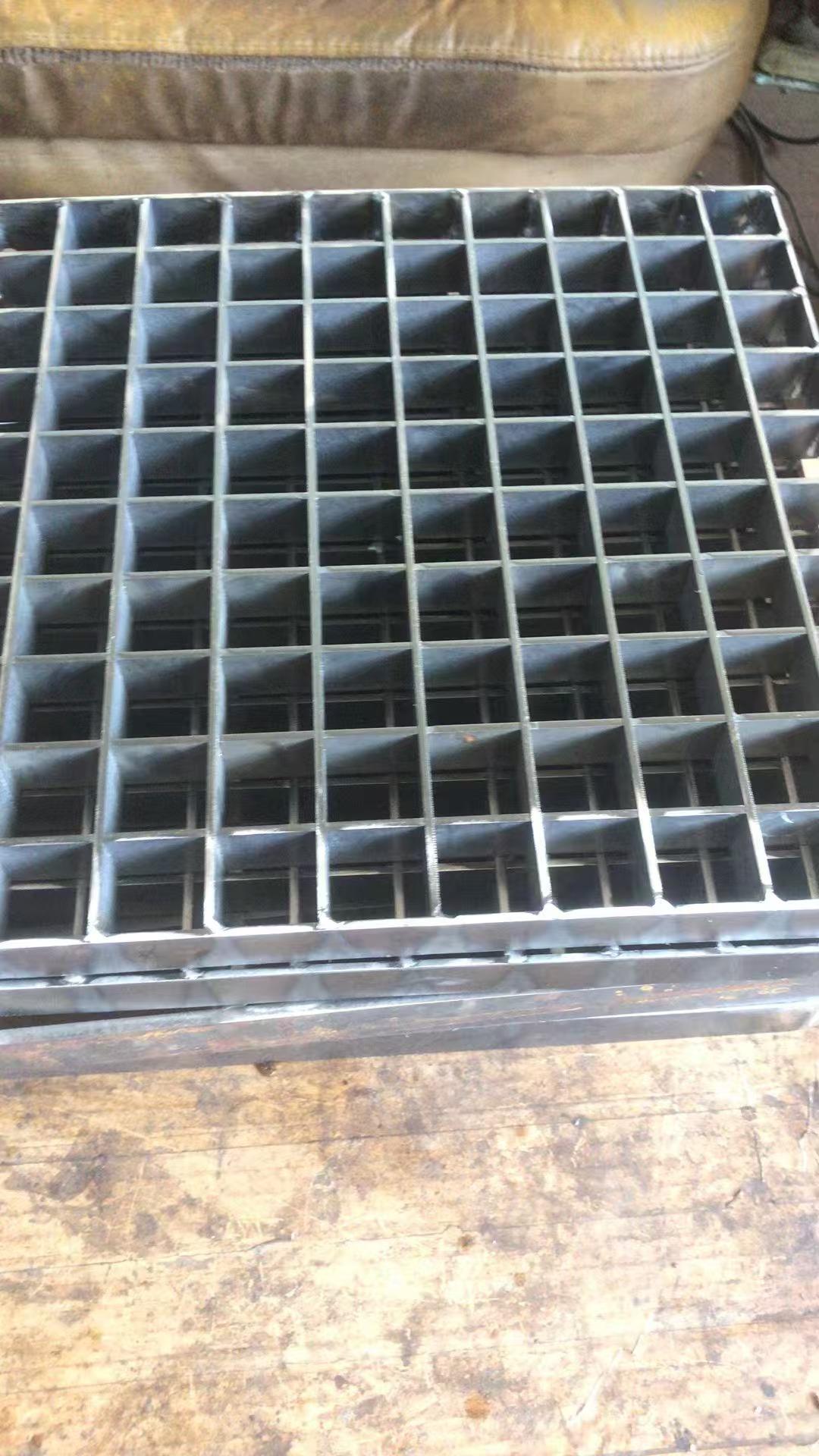
Plug-In Steel Grating (also known as Press-Locked Steel Grating) is manufactured by slotting the bearing bars, inserting the cross bars into position, and applying high-pressure locking to form a tight, solid grid structure.
Its key characteristics include:
• Higher structural strength and uniform load distribution
• Smooth, weld-free appearance for enhanced aesthetics
• High dimensional accuracy and flatness
• Supports multiple corrosion-resistant materials and coatings
Technical Advantages of Plug-In Steel Grating
Selecting Plug-In Steel Grating offers significant engineering benefits:
• High load-bearing capability for heavy-duty platforms
• Excellent slip resistance with optional serrated bearing bars
• High durability in corrosive and high-temperature environments
• Modular installation saves labor and reduces construction time
• Minimal maintenance and lower overall lifecycle costs
Manufacturing Process Overview
Production typically includes:
-
Precision slotting of bearing bars using CNC equipment
-
Inserting cross bars at specified spacing
-
Press-locking to achieve firm mechanical interlock
-
Edge finishing and banding for safety and consistency
-
Surface protection treatment such as hot-dip galvanizing or coating
Every step ensures stable performance under heavy loads and long-term industrial use.
Major Industrial Applications
Plug-In Steel Grating is widely used in facilities requiring high safety and load performance:
• Turbine and maintenance platforms in power plants
• Corrosion-resistant structures in chemical and petrochemical industries
• Drainage covers and walkways in wastewater treatment plants
• Heavy-duty access floors in mining and smelting sectors
• Anti-slip decks and walkways on offshore platforms and shipyards
• Pedestrian zones and safety grids in municipal construction
• Vehicle-bearing surfaces in parking and logistics terminals
Its superior impact resistance and stability adapt well to dynamic loads and harsh environments.
Key Specification Considerations for B2B Procurement
When sourcing Plug-In Steel Grating, industrial buyers should confirm:
• Bearing bar size and spacing such as 30×3mm, 40×5mm, 60×5mm
• Surface treatment options: hot-dip galvanized / stainless steel / coated
• Smooth or serrated surface depending on slip-resistance requirements
• Load classification compliance with project standards
• Ability to produce customized shapes for stair treads and trench covers
• Availability of load testing reports and quality certifications
Ensuring that the product meets environmental and safety standards is essential for project success.
Comparison with Welded Steel Grating (text format only)
• Plug-in type distributes load more evenly with stronger structure
• No welding marks—preferred for facilities requiring clean aesthetics
• Higher dimensional precision and better installation alignment
• More durable corrosion protection due to continuous surfaces
• Best choice for safety-critical and visually demanding projects
For environments that require safety, performance, and appearance, Plug-In Steel Grating is the optimal solution.
Sustainability and Long-Term Performance
• Longer service lifespan reduces replacement frequency
• Lower maintenance requirements improve operational efficiency
• Fully recyclable steel supports sustainability targets
• Suitable for facilities with a service life of 20–50 years
Conclusion
Plug-In Steel Grating is a reliable and high-value flooring system for industrial infrastructure. For B2B customers, using this solution ensures:
• Safe and stable load-bearing performance
• Compliance with international engineering safety standards
• Long service life with superior corrosion resistance
• Lower cost of ownership across the full lifecycle
• Improved engineering aesthetics and operational efficiency
Partnering with a qualified supplier guarantees both engineering performance and economic returns throughout the project.
FAQ
-
What materials are commonly used for Plug-In Steel Grating?
Carbon steel, hot-dip galvanized steel, and stainless steel (304/316). -
Where is Plug-In Steel Grating typically applied?
Power plants, chemical facilities, drainage systems, offshore structures, municipal engineering, and logistics platforms. -
Is Plug-In Steel Grating suitable for heavy-load areas?
Yes, it offers superior strength and impact resistance for heavy-duty applications. -
Can the grating be customized?
Yes, including dimensions, serration, corrosion protection, and accessory options.
Post time: Dec-04-2025