
In industrial facilities, infrastructure projects, and commercial environments, choosing the right flooring system is crucial for safety, durability, and ease of maintenance. Plug-in steel grating has emerged as a versatile solution, offering superior load-bearing capacity, quick installation, and long-term performance. For B2B buyers, engineers, and contractors, understanding its applications, benefits, and installation requirements is essential for selecting the most effective solution for platforms, walkways, and drainage systems.
What is Plug-in Steel Grating?
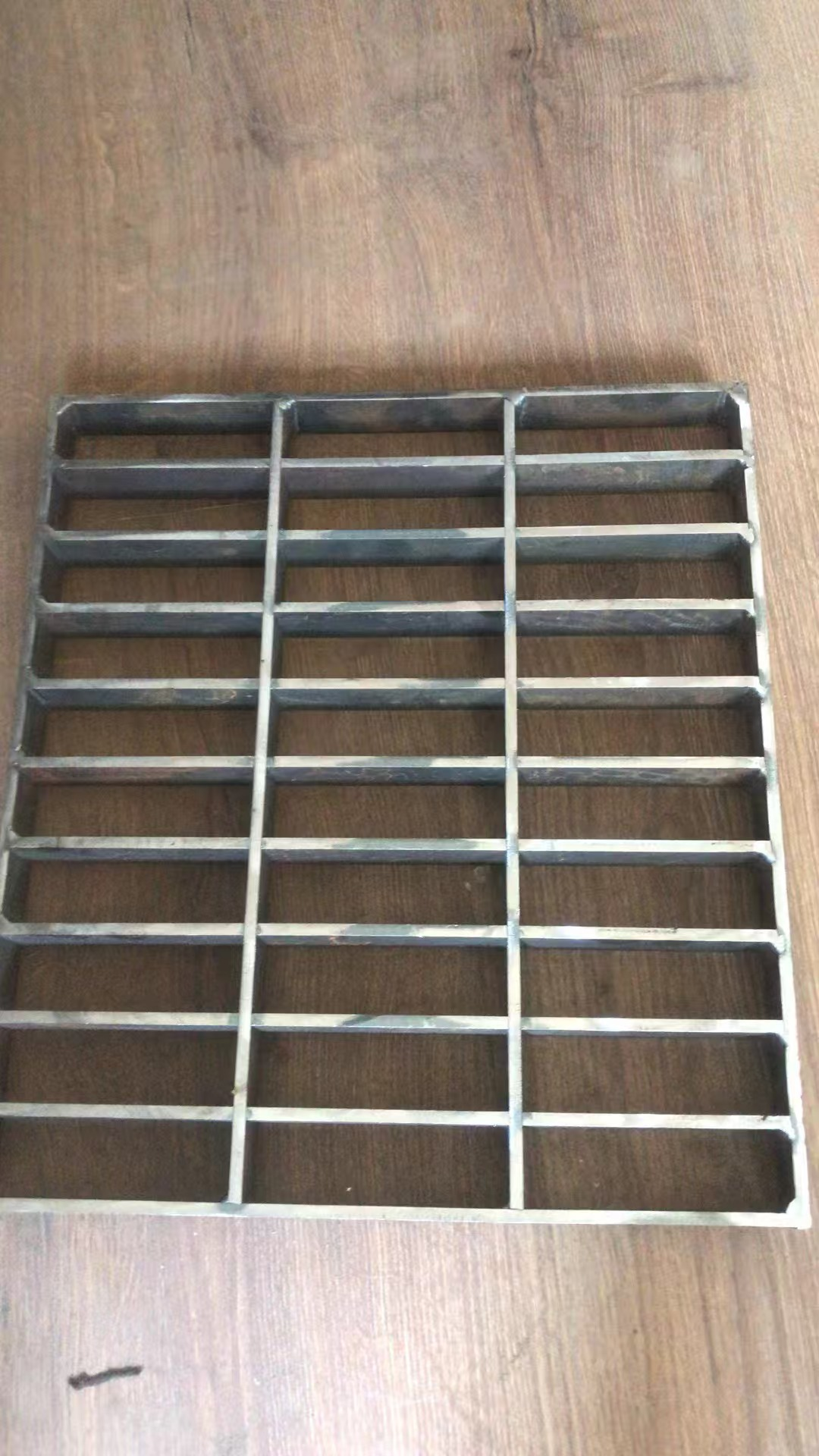
Plug-in steel grating is a modular flooring system composed of steel bars that are designed to be easily interlocked and installed without extensive welding. Unlike traditional welded gratings, plug-in gratings feature a plug-and-lock mechanism that allows for rapid assembly, replacement, and maintenance. This design ensures structural integrity while offering flexibility and adaptability for industrial and commercial environments.
Plug-in steel gratings are commonly used in heavy-duty walkways, platforms, drainage covers, chemical plants, power plants, and offshore facilities, where safety, corrosion resistance, and load-bearing capacity are critical.
Key Benefits of Plug-in Steel Grating
Plug-in steel grating offers multiple advantages over conventional flooring solutions:
● Quick and easy installation – The modular design reduces installation time and labor costs
● High load-bearing capacity – Suitable for pedestrian traffic, light vehicles, or heavy equipment
● Durability and corrosion resistance – Often coated with galvanization, epoxy, or painted finishes for long-term protection
● Ease of maintenance – Individual panels can be replaced without dismantling the entire structure
● Enhanced safety – Anti-slip surfaces improve traction in wet, oily, or hazardous environments
● Versatility – Can be used in platforms, walkways, trenches, and drainage systems
These benefits make plug-in steel grating a reliable and cost-effective option for industrial projects with demanding safety and performance requirements.
Common Applications of Plug-in Steel Grating
Plug-in steel grating is widely used in a variety of industrial and commercial projects:
● Industrial platforms – Provides safe access for workers and machinery
● Walkways and stair treads – Reduces slip hazards in high-traffic areas
● Drainage covers – Allows water to flow freely while maintaining structural support
● Chemical and power plants – Resists corrosion and supports heavy equipment
● Offshore and marine facilities – Lightweight, modular, and corrosion-resistant solutions
The modular nature of plug-in steel grating enables rapid deployment in areas requiring frequent maintenance or upgrades.
Materials and Surface Treatments
Material selection and surface treatment are crucial for maximizing the performance of plug-in steel grating:
● Carbon steel – High strength and cost-effective, ideal for industrial applications
● Galvanized steel – Provides corrosion resistance in wet or outdoor environments
● Stainless steel – Best for chemical, marine, or highly corrosive conditions
● Epoxy-coated steel – Enhances durability and chemical resistance
Surface treatments not only improve corrosion resistance but also enhance safety by providing anti-slip textures on the walking surface.
Installation and Maintenance Considerations
Proper installation and maintenance are critical for ensuring the safety and longevity of plug-in steel grating:
● Measure and align panels accurately to ensure a secure fit
● Use the plug-in locking mechanism to fasten individual grating panels
● Ensure the walkway or platform meets the required load rating
● Regularly inspect for corrosion, loose plugs, or surface wear
● Clean debris and liquids from grating openings to maintain drainage and safety
The modular nature of plug-in steel grating simplifies both initial installation and future maintenance.
Why Plug-in Steel Grating is Ideal for B2B Projects
For B2B buyers, plug-in steel grating offers significant advantages:
● Reduced labor costs due to faster installation
● Lower lifecycle costs because of easy maintenance and replacement
● Compliance with industrial safety standards and load requirements
● Adaptability to various industrial and commercial environments
● Reliable long-term performance in demanding conditions
These factors make plug-in steel grating an excellent choice for contractors, engineers, and municipal or industrial project managers.
Conclusion
Plug-in steel grating is a versatile, durable, and cost-effective solution for modern industrial and commercial infrastructure. Its modular design ensures rapid installation, easy maintenance, and superior load-bearing performance, while surface treatments enhance safety and corrosion resistance. By selecting the right material, load rating, and surface finish, B2B buyers can implement reliable and long-lasting flooring solutions for platforms, walkways, drainage systems, and more.
FAQ:
Q1: What is plug-in steel grating used for?
It is used for industrial platforms, walkways, stair treads, drainage covers, chemical plants, and offshore facilities where safety, durability, and load-bearing capacity are essential.
Q2: How does plug-in steel grating differ from welded steel grating?
Plug-in steel grating features a modular plug-and-lock design that allows for easy installation and replacement, while welded grating requires permanent welding for assembly.
Q3: Can plug-in steel grating be customized?
Yes, panels can be customized in size, material, load rating, and surface treatment to meet specific project requirements.
Q4: How should plug-in steel grating be maintained?
Regular inspection, cleaning of debris, checking for corrosion or loose plugs, and maintaining surface anti-slip textures ensures long-term performance and safety.
Post time: Feb-03-2026