
Effective water management is a critical factor in maintaining the safety, durability, and functionality of modern infrastructure. From industrial facilities to urban developments, improper drainage can lead to structural damage, safety hazards, and increased maintenance costs. Metal drainage channels provide a reliable and long-lasting solution for directing surface water, controlling runoff, and protecting infrastructure from water-related issues.
For B2B buyers, engineers, and project developers, understanding the design, materials, and applications of metal drainage channels is essential for selecting systems that ensure long-term performance and compliance with modern construction standards.
What are metal drainage channels?
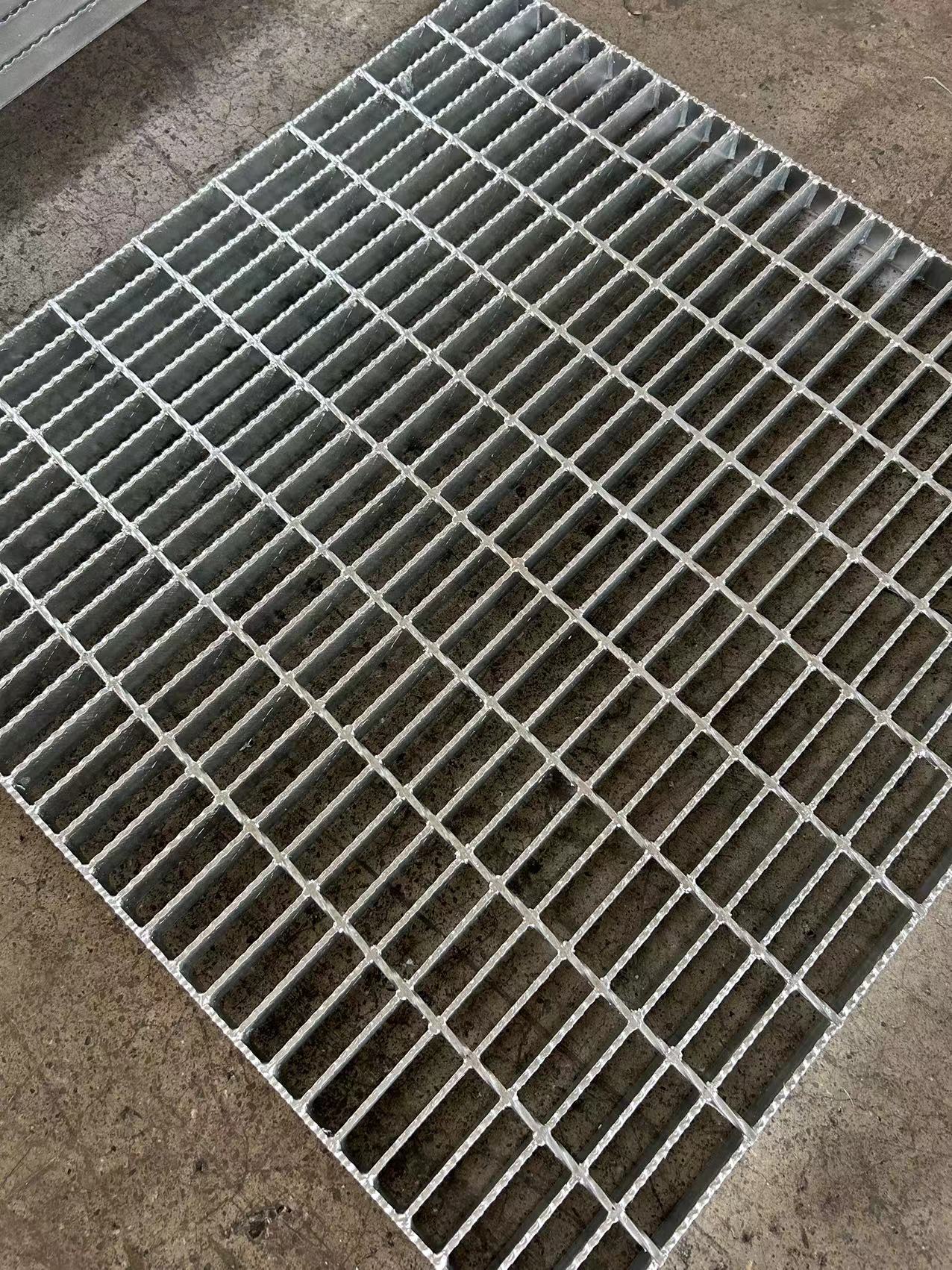
Metal drainage channels are linear drainage systems designed to collect and redirect surface water efficiently. They are typically installed in areas where water accumulation needs to be controlled, such as industrial floors, roadways, parking areas, and commercial facilities. These channels are usually covered with grates, allowing water to flow through while preventing debris or large objects from entering the drainage system.
Compared to plastic or concrete alternatives, metal drainage channels offer higher strength, better durability, and superior resistance to heavy loads and harsh environmental conditions. This makes them especially suitable for industrial and high-traffic applications.
Key advantages of metal drainage channels
Metal drainage channels are widely used because of their performance benefits in demanding environments:
● High load-bearing capacity
Metal channels can withstand heavy loads from vehicles, machinery, and industrial operations, making them ideal for factories, warehouses, and transport hubs.
● Durability and long service life
Manufactured from strong materials such as galvanized steel or stainless steel, these channels resist wear, corrosion, and environmental stress over time.
● Efficient water flow
Their linear design ensures rapid water collection and drainage, reducing the risk of flooding and water accumulation.
● Low maintenance requirements
Metal drainage systems are less prone to damage and clogging, and their grates can be easily removed for cleaning and inspection.
● Versatile design options
Available in various sizes, load classes, and configurations, metal drainage channels can be customized to meet specific project requirements.
These advantages make metal drainage channels a cost-effective and reliable solution for long-term infrastructure performance.
Common materials used in metal drainage channels
Choosing the right material is essential to ensure optimal performance in different environments:
● Galvanized steel
A popular choice for general applications due to its strength and corrosion resistance. It performs well in outdoor and moderately corrosive environments.
● Stainless steel
Offers superior resistance to corrosion, making it ideal for food processing plants, chemical facilities, and coastal areas.
● Cast iron
Often used for heavy-duty applications such as roadways and municipal drainage systems, providing excellent strength and durability.
● Aluminum
Lightweight and corrosion-resistant, suitable for applications where weight reduction is important.
Material selection directly affects the system’s lifespan, maintenance needs, and overall cost efficiency.
Applications across industries
Metal drainage channels are used in a wide range of industries and infrastructure projects:
● Industrial facilities – Factories, warehouses, and processing plants where water, oil, or chemicals must be managed efficiently
● Commercial buildings – Parking lots, shopping centers, and public spaces requiring safe and effective drainage
● Municipal infrastructure – Roads, sidewalks, and urban drainage systems designed to prevent flooding
● Airports and transport hubs – Runways and loading areas where efficient water management is critical
● Food and beverage industry – Hygienic drainage systems that meet strict cleanliness standards
By implementing metal drainage channels, businesses can improve operational safety and reduce the risk of water damage.
Design considerations for optimal performance
When selecting metal drainage channels for a project, several factors should be considered:
● Load class requirements
Ensure the system can support expected traffic, whether pedestrian, vehicular, or heavy industrial loads.
● Channel size and capacity
Proper sizing ensures efficient water flow and prevents overflow during heavy rainfall.
● Grate type
Different grate designs provide varying levels of strength, safety, and debris filtration.
● Installation environment
Consider exposure to chemicals, temperature fluctuations, and corrosion when selecting materials.
● Maintenance accessibility
Design systems that allow easy access for cleaning and inspection.
Careful planning ensures that the drainage system performs effectively under real-world conditions.
Installation and maintenance best practices
Proper installation and regular maintenance are essential for maximizing the lifespan of metal drainage channels:
● Ensure correct slope and alignment to facilitate water flow
● Secure channels and grates firmly to prevent movement under load
● Inspect regularly for blockages, corrosion, or damage
● Clean debris from channels and grates to maintain efficiency
● Replace worn components promptly to avoid system failure
With proper care, metal drainage channels can deliver reliable performance for decades.
Why B2B buyers prefer metal drainage channels
From a B2B perspective, metal drainage channels offer clear operational and financial advantages:
● Reduced maintenance and replacement costs over time
● Improved safety by preventing water accumulation and slip hazards
● High durability in harsh industrial and outdoor environments
● Flexibility to customize systems based on project requirements
● Compliance with engineering and safety standards
These factors make metal drainage channels a preferred solution for infrastructure projects that demand reliability and efficiency.
Conclusion
Metal drainage channels play a vital role in modern infrastructure by ensuring efficient water management, enhancing safety, and protecting structural integrity. Their strength, durability, and adaptability make them suitable for a wide range of industrial, commercial, and municipal applications. By selecting the appropriate materials, design specifications, and maintenance practices, B2B buyers can achieve long-term performance and cost savings while meeting safety and regulatory requirements.
FAQ:
Q1: What are metal drainage channels used for?
They are used to collect and redirect surface water in industrial, commercial, and municipal environments to prevent flooding and water damage.
Q2: What materials are commonly used for metal drainage channels?
Common materials include galvanized steel, stainless steel, cast iron, and aluminum, depending on the application and environmental conditions.
Q3: Can metal drainage channels handle heavy loads?
Yes, they are designed to support heavy traffic, including vehicles and industrial equipment, when properly specified.
Q4: How do you maintain metal drainage channels?
Regular inspection, cleaning debris, and replacing damaged components ensure long-term performance and efficiency.
Post time: Mar-26-2026