
In industrial and municipal projects, trench safety and accessibility are critical for both operational efficiency and worker protection. An industrial trench cover plays a vital role in safeguarding personnel, equipment, and infrastructure while providing durable, long-lasting coverage for utility and drainage trenches. For B2B buyers, understanding the types, applications, and advantages of industrial trench covers is essential for selecting the right solution for large-scale projects.
What Is an Industrial Trench Cover?
An industrial trench cover is a protective panel or lid designed to cover open trenches, utility channels, or drainage systems in industrial environments. It prevents accidents, protects equipment, and allows maintenance access when required. Unlike standard pedestrian trench covers, industrial versions are designed to withstand heavy loads, harsh conditions, and frequent traffic.
Key components and features typically include:
● Durable Material Construction – Often made from steel, cast iron, aluminum, fiberglass, or composite materials for maximum strength and corrosion resistance
● Load-Bearing Design – Engineered to handle vehicular or heavy machinery loads
● Anti-Slip Surface – Ensures safety for personnel in wet or slippery environments
● Removable or Hinged Panels – Allows easy access for maintenance or inspection
● Corrosion and Weather Resistance – Extends service life in outdoor or industrial environments
These features make industrial trench covers ideal for factories, warehouses, power plants, and municipal utility systems.
Importance of Industrial Trench Covers in B2B Applications
Industrial trench covers are more than safety features; they play a critical role in operational efficiency and project compliance:
● Enhancing Worker Safety – Prevents falls, injuries, and equipment damage in industrial environments
● Protecting Infrastructure – Shields sensitive pipes, cables, and drainage channels from debris and environmental stress
● Compliance with Industry Standards – Many construction and industrial projects require trench covers to meet OSHA or local safety regulations
● Streamlining Maintenance – Easily removable covers allow quick access for inspection and repairs without disrupting operations
● Reducing Liability – Minimizes risks associated with open trenches, protecting companies from potential legal issues
Properly designed trench covers contribute to both operational productivity and long-term cost savings.
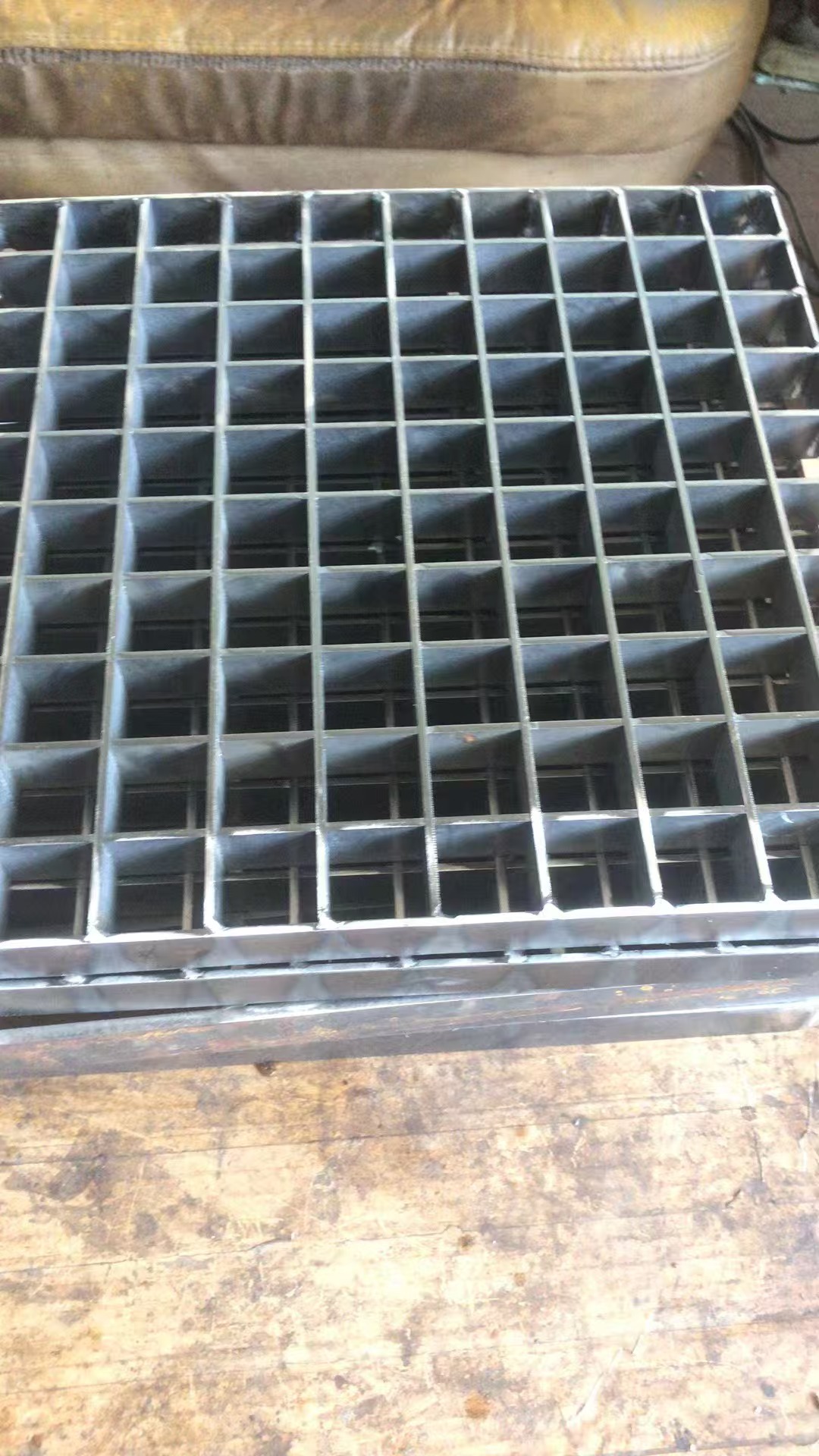
Types of Industrial Trench Covers
Depending on application and load requirements, industrial trench covers are available in multiple types:
● Steel Trench Covers – High-strength and cost-effective, ideal for heavy machinery areas
● Cast Iron Trench Covers – Extremely durable, used in high-traffic zones and municipal projects
● Aluminum Trench Covers – Lightweight but strong, suitable for portable or temporary installations
● Composite or Fiberglass Covers – Corrosion-resistant, ideal for chemical plants or wet environments
● Modular Trench Covers – Customizable panels that fit large or complex trench layouts
Selecting the appropriate type ensures longevity, safety, and ease of maintenance for industrial projects.
Key Applications
Industrial trench covers are widely used in B2B projects across various sectors:
● Manufacturing Plants – Protects drainage trenches and utility conduits while allowing equipment movement
● Warehouses and Logistics Centers – Ensures safe floors for forklifts and other machinery
● Oil & Gas Facilities – Covers trenches that house pipelines or electrical conduits in harsh environments
● Power Generation Plants – Provides safe access to cooling or electrical trenches
● Municipal Infrastructure – Protects water, sewage, and utility trenches in public works projects
These covers are engineered to handle specific industrial loads, chemical exposure, and environmental conditions, ensuring maximum safety and reliability.
Advantages of Industrial Trench Covers for B2B Buyers
For procurement specialists and project engineers, industrial trench covers offer several significant advantages:
● High Load Capacity – Designed to handle heavy vehicles and machinery without deformation
● Long Service Life – Materials resist corrosion, abrasion, and extreme weather conditions
● Safety Features – Anti-slip surfaces and secure placement reduce accidents
● Ease of Access – Removable, hinged, or modular designs facilitate inspections and repairs
● Cost-Effectiveness – Reduces maintenance costs and downtime caused by exposed trenches
● Customizable Solutions – Can be engineered to meet specific industrial or municipal requirements
By choosing the right industrial trench cover, companies can improve safety, operational efficiency, and regulatory compliance simultaneously.
Conclusion
An industrial trench cover is an indispensable component for modern industrial, municipal, and commercial infrastructure projects. By combining safety, durability, and accessibility, these covers protect workers, equipment, and assets while complying with industry regulations. For B2B buyers, investing in high-quality industrial trench covers ensures long-term operational efficiency, reduced maintenance costs, and enhanced workplace safety.
FAQ
1. What materials are used for industrial trench covers?
Common materials include steel, cast iron, aluminum, fiberglass, and composite materials, chosen based on load requirements and environmental conditions.
2. Where are industrial trench covers typically installed?
They are installed over drainage trenches, utility channels, pipelines, or conduits in factories, warehouses, power plants, and municipal infrastructure projects.
3. How do industrial trench covers improve workplace safety?
They prevent accidental falls, equipment damage, and protect personnel from exposure to open trenches, reducing workplace injuries and liability.
4. What maintenance is required for industrial trench covers?
Periodic inspection for corrosion, wear, or surface damage, cleaning anti-slip surfaces, and checking that panels are securely anchored.
Post time: Mar-03-2026