
In modern industrial facilities, safety, efficiency, and long-term durability are critical considerations. Industrial steel grating plays a vital role in providing strong, reliable surfaces for walkways, platforms, stair treads, and drainage covers. Its versatility, load-bearing capacity, and low-maintenance features make it an indispensable solution for a wide range of industrial applications. For B2B buyers, understanding its types, materials, and benefits is crucial for selecting the right grating for each project.
What is industrial steel grating?
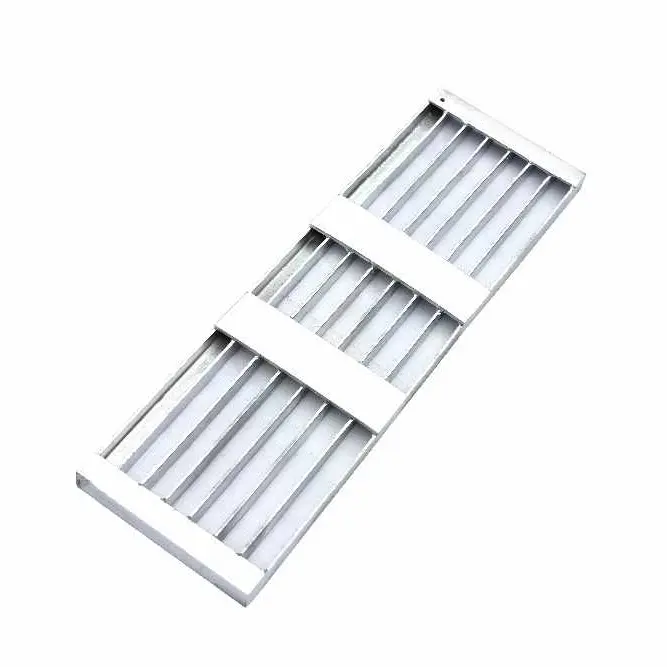
Industrial steel grating is a fabricated metal surface consisting of load-bearing bars and cross bars welded or pressure-locked together to form a strong, open-grid structure. Unlike solid flooring, steel grating allows water, debris, and air to pass through, improving safety and reducing maintenance. This design is particularly beneficial in industrial environments such as factories, power plants, chemical facilities, and offshore platforms, where durability and slip resistance are critical.
Types of industrial steel grating
Different types of steel grating are used depending on load requirements, environmental conditions, and safety standards:
● Welded steel grating: Offers high strength and is suitable for heavy-duty platforms, walkways, and stairs.
● Pressed or lock‑pressed grating: Combines bearing bars and cross bars through a pressure-locking method, providing uniform strength and load distribution.
● Stainless steel grating: Ideal for chemical or food processing environments, providing corrosion resistance and hygiene.
● Galvanized steel grating: Coated for outdoor or corrosive environments, offering long-term durability.
Each type can be customized in bar spacing, thickness, and surface treatment to meet specific project requirements.
Key benefits of industrial steel grating
Industrial steel grating provides several operational advantages for industrial facilities:
● High load capacity: Supports heavy machinery, foot traffic, and vehicles depending on design.
● Slip resistance: Open-grid surfaces prevent accidents caused by liquids, debris, or oil spills.
● Durability: Resistant to corrosion, chemical exposure, and harsh environmental conditions.
● Low maintenance: Open design reduces debris accumulation and simplifies cleaning.
● Versatility: Suitable for walkways, platforms, stairs, drainage covers, and mezzanines.
These benefits help B2B buyers ensure safety, compliance, and long-term cost efficiency.
Industrial applications
Industrial steel grating is widely used across sectors where safety, strength, and durability are required:
● Power plants: Platforms, walkways, stair treads, and maintenance areas.
● Chemical and wastewater facilities: Resistant to corrosion and chemical exposure.
● Offshore and marine platforms: Provides non-slip surfaces in saltwater environments.
● Warehouses and logistics centers: Mezzanines, elevated walkways, and equipment platforms.
● Public infrastructure: Bridges, utility walkways, and drainage grates.
Selecting the correct grating type and material ensures that industrial operations remain safe, compliant, and efficient.
Installation and maintenance considerations
Proper installation and maintenance are essential to maximize the performance of industrial steel grating:
● Ensure accurate measurements for fit and load distribution.
● Use bolted, welded, or clip-lock methods to secure grating to support frames.
● Regularly inspect for corrosion, wear, or deformation, especially in outdoor or chemical environments.
● Clean debris and maintain drainage to prevent slip hazards.
● Follow manufacturer guidelines for load ratings and environmental exposure.
Adhering to these best practices extends the lifespan of steel grating while maintaining workplace safety.
Conclusion
Industrial steel grating is a reliable, versatile solution for modern industrial facilities. Its combination of strength, durability, and low maintenance makes it ideal for platforms, walkways, stair treads, and drainage systems. B2B buyers can enhance safety, reduce maintenance costs, and ensure compliance by selecting the right type, material, and installation method. Whether in power plants, chemical plants, offshore platforms, or public infrastructure, industrial steel grating remains a cornerstone of operational safety and efficiency.
FAQ
Q1: What is industrial steel grating used for?
Industrial steel grating is used for walkways, platforms, stair treads, mezzanines, and drainage covers in industrial and commercial facilities.
Q2: What materials are available for industrial steel grating?
Common materials include carbon steel, stainless steel, and galvanized steel, chosen based on load requirements and environmental exposure.
Q3: Can industrial steel grating be customized?
Yes, dimensions, bar spacing, thickness, and surface treatment can be customized to meet project-specific requirements.
Q4: How should industrial steel grating be maintained?
Regular inspections, cleaning debris, monitoring for corrosion, and following load guidelines are essential for long-term performance.
Post time: Jan-08-2026