
In modern industrial and commercial projects, safety, durability, and reliability of flooring and access solutions are critical. Heavy duty steel grating has become a standard choice for sectors such as manufacturing, construction, oil & gas, and transportation due to its superior strength, corrosion resistance, and versatile design. Understanding its features, applications, and procurement considerations is essential for B2B buyers seeking long-term value.
What Is Heavy Duty Steel Grating?
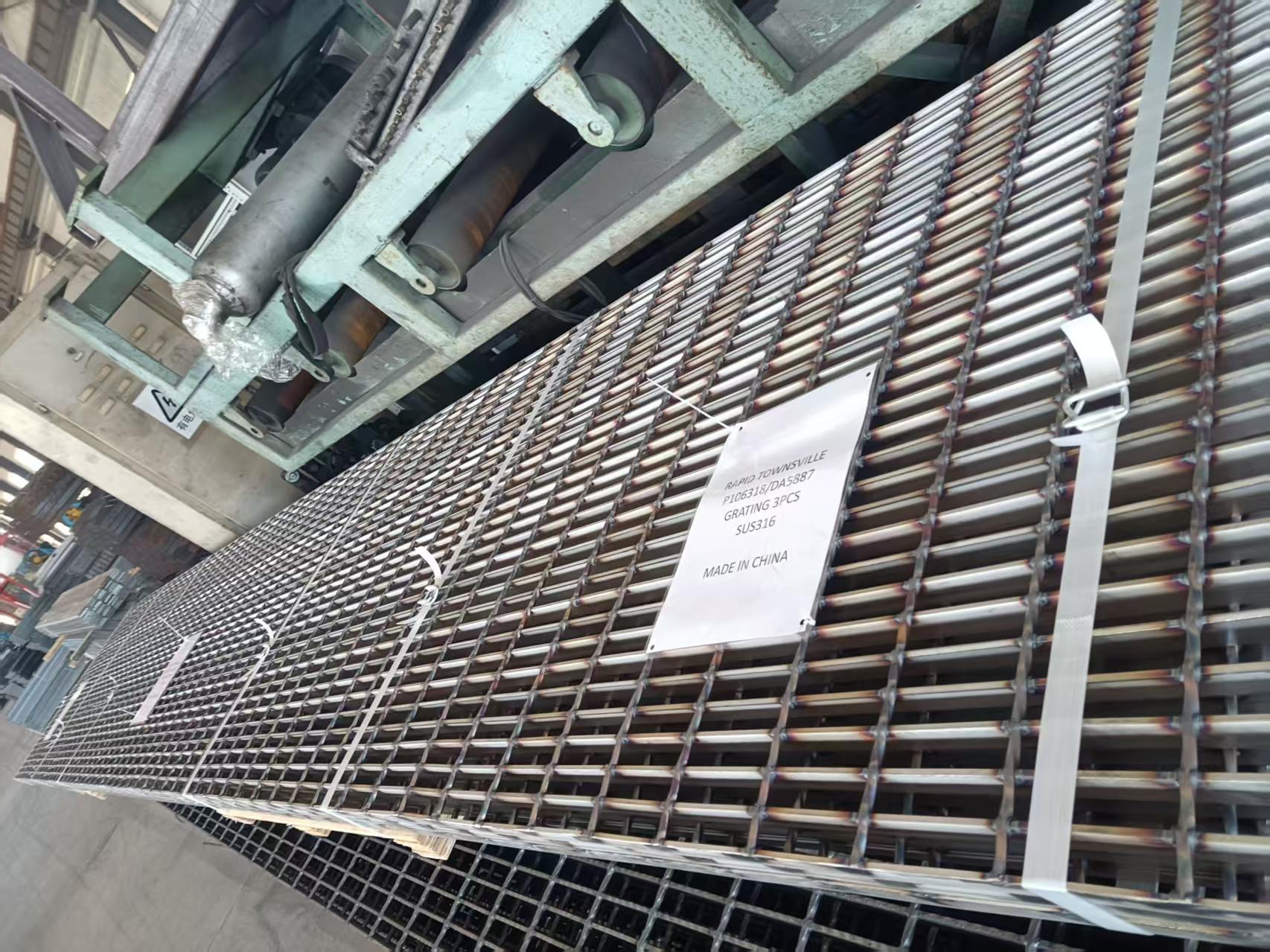
Heavy duty steel grating is a load-bearing platform made from high-strength steel bars welded or locked together in a grid pattern. Unlike regular flooring materials, steel grating combines structural integrity with open areas for drainage and airflow, making it ideal for harsh industrial environments. Depending on the application, it can be manufactured from carbon steel, stainless steel, or galvanized steel to meet different durability and corrosion-resistance requirements.
Core Features and Industrial Advantages
Understanding the performance characteristics of heavy duty steel grating helps businesses make informed decisions:
• Load-Bearing Capacity – Designed to support personnel, machinery, and vehicle loads safely.
• Corrosion Resistance – Hot-dip galvanized or stainless steel options provide longevity in outdoor, chemical, or high-moisture environments.
• Anti-Slip Surface – Serrated or patterned surfaces enhance traction, reducing workplace accidents.
• Versatility – Suitable for platforms, stair treads, drainage covers, industrial flooring, and walkways.
• Flexible Sizing – Multiple span and bar configurations available to fit specific load and layout requirements.
• Ease of Installation & Maintenance – Modular or prefabricated designs allow quick assembly and minimal upkeep.
These features make heavy duty steel grating a reliable and cost-effective solution for B2B projects in demanding industrial settings.
Common Applications of Heavy Duty Steel Grating
Heavy duty steel grating is widely used across multiple sectors due to its versatility and performance:
1. Manufacturing & Industrial Plants
• Walkways and mezzanines for safe personnel access
• Platforms for machinery and equipment
• Drainage covers for chemical and water treatment facilities
2. Oil & Gas Industry
• Offshore platforms and rig walkways
• Safety covers for pipelines and drainage systems
• Corrosion-resistant flooring for harsh environments
3. Transportation & Infrastructure
• Railway platforms and maintenance areas
• Bridges and elevated walkways
• Heavy-duty drainage grates in urban projects
4. Commercial & Construction Projects
• Stair treads for high-traffic areas
• Pedestrian platforms and loading zones
• Roof access and ventilation covers
Advantages of Heavy Duty Steel Grating
For B2B buyers, investing in heavy duty steel grating brings multiple benefits:
• Safety & Reliability – Supports high loads and reduces slip-related accidents.
• Durability – Resistant to corrosion, wear, and extreme environmental conditions.
• Cost-Effective – Long lifespan reduces replacement frequency and maintenance costs.
• Flexibility – Customizable sizes and configurations to match project needs.
• Efficient Installation – Prefabricated and modular designs minimize downtime.
Market Trends Driving Demand
Several trends are contributing to the increased adoption of heavy duty steel grating:
• Growth in industrial automation and machinery installations
• Expansion of infrastructure and urban construction projects
• Stricter workplace safety regulations
• Demand for corrosion-resistant and maintenance-free flooring solutions
• Rise of modular and prefabricated construction methods
Conclusion
Heavy duty steel grating is more than just a flooring material; it is a strategic component for industrial safety, efficiency, and long-term cost savings. Its combination of load-bearing strength, corrosion resistance, and versatile applications makes it indispensable across manufacturing, oil & gas, transportation, and construction sectors. By selecting the right material, size, and surface design, B2B buyers can ensure their projects remain safe, durable, and efficient for years to come.
FAQ
Q1: What materials are used for heavy duty steel grating?
A: Common materials include carbon steel, stainless steel, and hot-dip galvanized steel, chosen based on load, corrosion resistance, and environmental conditions.
Q2: Can steel grating be customized for specific projects?
A: Yes. Suppliers can provide custom sizes, bar spacing, thickness, and surface patterns to fit unique industrial requirements.
Q3: Where is heavy duty steel grating commonly used?
A: Typical applications include industrial platforms, walkways, stair treads, drainage covers, offshore rigs, bridges, and commercial buildings.
Q4: How does heavy duty steel grating improve workplace safety?
A: Its anti-slip surface and high load capacity reduce accidents and ensure stable footing in high-traffic and industrial areas.
Post time: Dec-16-2025