
In modern industrial environments, where safety, durability, and performance are paramount, choosing the right structural components is essential. One such component that plays a critical role is heavy-duty industrial steel grating. This highly versatile material is used in various industries ranging from manufacturing plants to chemical facilities, offering a reliable solution for walkways, platforms, stair treads, and other heavy-duty applications.
For B2B buyers, understanding the core benefits, applications, and materials used in heavy-duty industrial steel grating can help make more informed decisions when selecting this crucial infrastructure element for their projects.
What is Heavy-Duty Industrial Steel Grating?
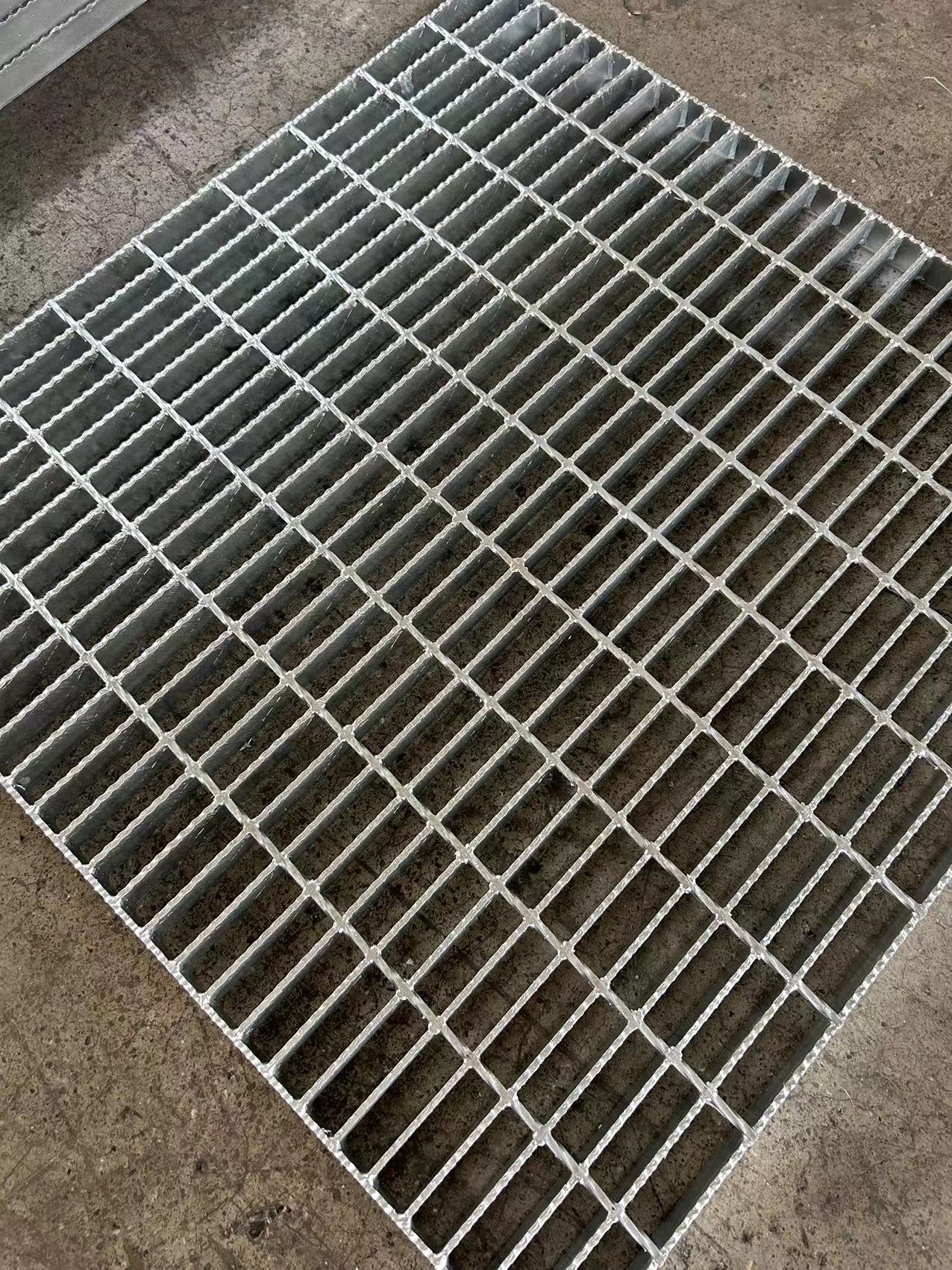
Heavy-duty industrial steel grating is a type of grating that consists of high-strength steel bars arranged in a grid-like pattern. The grating is designed to bear heavy loads while remaining lightweight and easy to install. The crossbars between the load-bearing bars are welded or mechanically locked to ensure structural stability and long-term performance.
This type of grating is often used in industrial settings where both the weight capacity and durability of the grating are critical, such as in factory floors, walkways, platforms, and staircases exposed to heavy foot traffic, machinery, and harsh environmental conditions.
Key Advantages of Heavy-Duty Industrial Steel Grating
Heavy-duty steel grating offers several advantages that make it an essential material in industrial and commercial applications:
● Exceptional Load-Bearing Capacity
Heavy-duty steel grating is designed to support heavy machinery, equipment, and foot traffic. Its robust construction ensures that it can withstand high-impact forces and heavy loads, making it ideal for industrial settings where other materials might fail.
● Slip Resistance
The open-grid design and optional serrated or textured surfaces of heavy-duty steel grating provide excellent slip resistance, making it an ideal solution for environments exposed to liquids, oils, chemicals, or other slippery conditions. This feature enhances worker safety and reduces the risk of accidents.
● Durability and Longevity
Constructed from high-strength steel, this grating type is resistant to wear and tear, corrosion, and extreme weather conditions. Hot-dip galvanization or stainless steel treatments further increase its resistance to rust and other forms of environmental degradation, ensuring a long lifespan even in challenging industrial environments.
● Easy Drainage and Maintenance
The open-grid design of heavy-duty steel grating allows for the free flow of water, oils, chemicals, and other debris. This drainage capability prevents standing water, reduces slip hazards, and minimizes the need for regular maintenance. Additionally, the individual panels can be easily replaced without disrupting the entire platform or walkway system.
● Customization for Specific Needs
Heavy-duty steel grating is highly customizable to meet the specific needs of various industries. It can be tailored in terms of size, load-bearing capacity, surface texture, and material selection, allowing businesses to optimize the grating for their particular applications.
Industrial Applications of Heavy-Duty Steel Grating
Heavy-duty industrial steel grating is used in a wide range of industries for various applications:
● Manufacturing Facilities
Steel grating is commonly used in factories, warehouses, and manufacturing plants as flooring for walkways, mezzanines, and platforms. It provides a safe, durable, and cost-effective solution for areas that require heavy-duty load support.
● Chemical and Petrochemical Plants
In chemical plants where the risk of chemical spills and exposure to corrosive substances is high, heavy-duty steel grating offers exceptional corrosion resistance, particularly when treated with hot-dip galvanization or stainless steel coatings.
● Power Generation Sites
Power plants require robust flooring and platform systems that can withstand the weight of large machinery and heavy equipment. Heavy-duty steel grating provides a stable surface for equipment access, safety walkways, and maintenance areas in these high-demand environments.
● Marine and Offshore Industries
Heavy-duty steel grating is used extensively in marine and offshore structures due to its corrosion resistance and ability to withstand harsh saltwater environments. It is used for decking, walkways, and maintenance platforms in these challenging and potentially dangerous environments.
● Municipal Infrastructure
In urban environments, steel grating is used for pedestrian walkways, drainage covers, and grates on roads, ensuring durability and safety. It is also employed in municipal wastewater treatment plants for floor grating and other applications where corrosion resistance is essential.
Material Options for Heavy-Duty Steel Grating
The material selection for heavy-duty industrial steel grating is crucial to ensure that it meets the specific demands of each application. Below are the primary materials used for heavy-duty steel grating:
● Carbon Steel
Carbon steel is a common choice due to its strength and affordability. It is ideal for general industrial applications where corrosion is not a significant concern.
● Hot-Dip Galvanized Steel
Hot-dip galvanization involves coating the steel with a layer of zinc to protect it from corrosion. This material is ideal for outdoor and wet environments, such as wastewater treatment plants and chemical facilities.
● Stainless Steel
Stainless steel offers the highest level of corrosion resistance and is often chosen for highly corrosive environments, such as chemical plants, food processing, and marine applications.
● Aluminum
For specific applications that require lighter weight but still need to handle heavy-duty loads, aluminum grating is a viable option. While not as strong as steel, it offers corrosion resistance and is ideal for less demanding industrial settings.
Conclusion
Heavy-duty industrial steel grating is a crucial component in creating safe, durable, and efficient industrial environments. Whether used for platforms, walkways, stair treads, or drainage systems, it provides excellent load-bearing capacity, slip resistance, and long-term durability. By selecting the appropriate material and customizing the grating for specific needs, B2B buyers can ensure optimal performance and safety across various industrial applications.
FAQ:
Q1: What industries commonly use heavy-duty industrial steel grating?
Heavy-duty industrial steel grating is commonly used in manufacturing plants, chemical and petrochemical facilities, power plants, offshore structures, and municipal infrastructure projects.
Q2: What are the material options for heavy-duty steel grating?
The most common materials include carbon steel, hot-dip galvanized steel, stainless steel, and aluminum. Each material is selected based on specific environmental and load requirements.
Q3: How do I maintain heavy-duty steel grating?
Regular inspection, cleaning of debris, and timely replacement of damaged panels are key maintenance practices to ensure the grating continues to perform effectively.
Q4: What are the customization options for heavy-duty steel grating?
Customization options include adjusting the grating’s size, load-bearing capacity, surface texture, and material, depending on the specific needs of the project.
Post time: Mar-12-2026