
Selecting suitable handrail stanchions is an important part of designing an industrial railing system. Although posts may appear to be relatively simple components, their connection methods, mounting structures, dimensions, and material finishes all affect how they fit into the complete installation. For industrial platforms, stairways, walkways, and elevated access areas, a handrail system needs to work as a coordinated structure. Choosing products from experienced Handrail Stanchion Suppliers can help ensure that post designs are compatible with the intended railing arrangement, supporting surfaces, and installation requirements. Rather than focusing only on the appearance of individual posts, it is more useful to evaluate how each component connects with the rest of the system.
Start with the Railing System Design
Handrail stanchions are not independent components. They support handrails and connect the railing structure to platforms, stairs, or other supporting surfaces. Their design should therefore be determined by the overall railing arrangement.
A straight walkway railing, for example, may use regularly spaced posts connected by horizontal handrails. A staircase requires a different arrangement because the handrail follows an inclined path. Equipment platforms may also contain corners, changes in direction, and restricted installation areas.
These differences influence post positioning and connection requirements.
Before selecting a stanchion, consider the following:
- The intended railing layout, including straight sections, corners, and inclined sections.
- The number and arrangement of horizontal handrails.
- The available space for mounting posts.
- The connection requirements between posts and handrail sections.
- The applicable project safety requirements and structural design.
Providing this information at the beginning helps avoid choosing posts that look suitable individually but do not fit the complete railing system.
Match Connection Designs with Handrail Requirements
The connection between a stanchion and a handrail is one of the most important selection factors. Different post designs accommodate different railing configurations, so the connection should be considered before confirming the product.
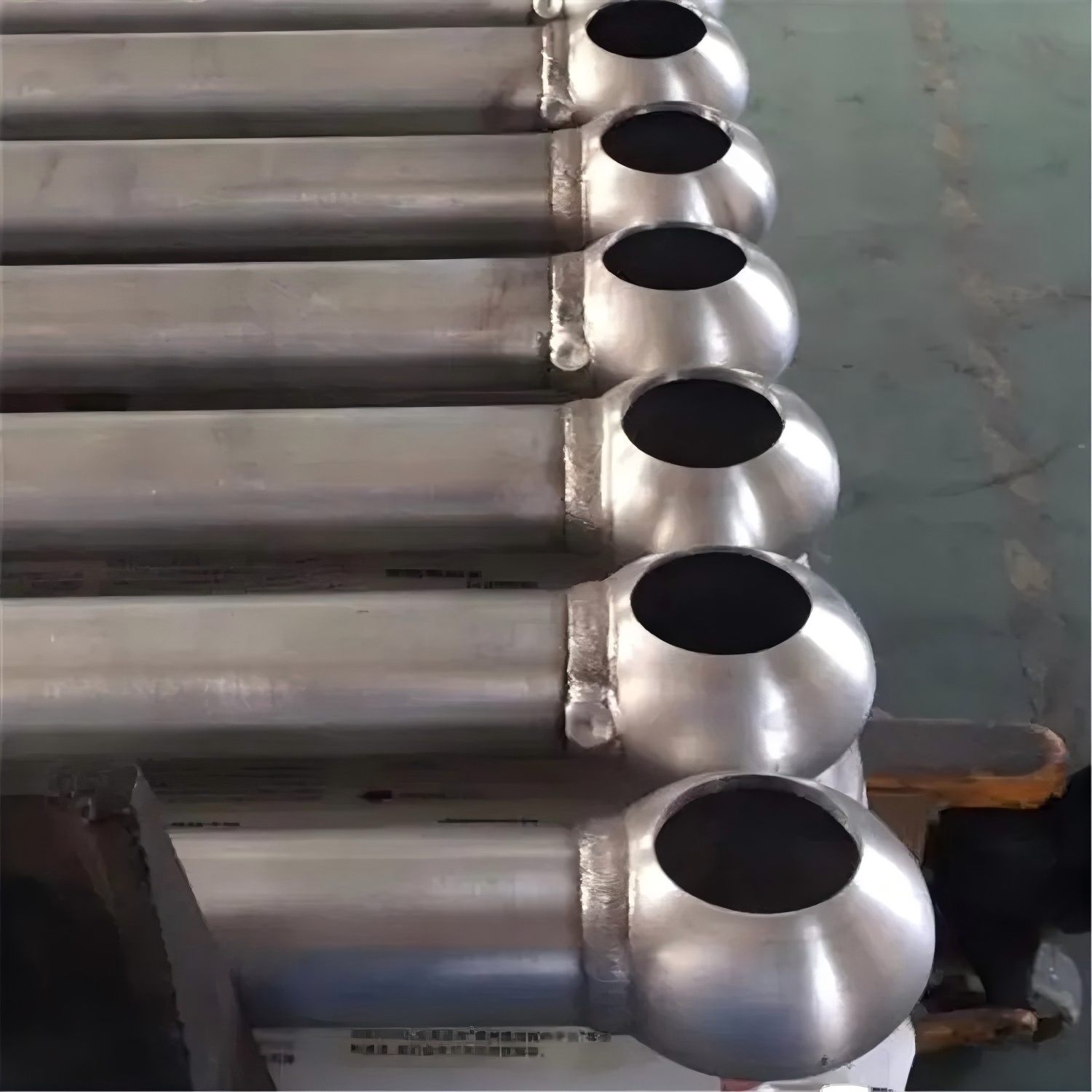
Some handrail stanchions use ball-type connections, which can help accommodate changes in railing direction or connection arrangements, depending on the specific design. Other configurations may use fixed connection points for more straightforward railing layouts.
The appropriate choice depends on the intended system rather than the appearance of the connection alone.
| Connection consideration | What to check |
|---|---|
| Handrail pipe compatibility | Confirm the handrail dimensions and connection interface |
| Railing direction | Check whether the connection accommodates straight or changing directions |
| Number of handrails | Confirm that the post design supports the intended arrangement |
| Connection method | Review whether the components require mechanical fastening, welding, or another specified method |
| Replacement requirements | Consider whether individual components need to be removable |
For example, a railing system with several direction changes may require a different connection arrangement from a simple straight walkway. Confirming these details before ordering helps reduce modification work during installation.
Choose a Suitable Mounting Structure
Even when a handrail stanchion connects correctly with the handrail, its mounting arrangement must also match the supporting surface.
Industrial railing posts may be installed on steel platforms, stair structures, concrete surfaces, or other supporting members. Each installation condition can require different base configurations and fastening arrangements.
For steel grating platforms, the mounting position deserves particular attention. The post base and fastening method need to work with the grating panel and its supporting structure. Simply positioning a post over a convenient part of the grating does not automatically provide an appropriate structural connection.
Common mounting considerations include:
- Base plate arrangement: Check the dimensions, shape, and hole positions of the mounting base.
- Supporting structure: Confirm that the post can be connected to a suitable structural member.
- Fastening method: Determine whether bolted connections, welding, or another approved method is required.
- Installation clearance: Allow sufficient space for fastening, inspection, and future maintenance.
For projects involving steel grating and railing systems together, the mounting details should be coordinated during the design stage. This helps prevent conflicts between post locations, grating panel edges, and supporting beams.
Consider Different Applications Before Selecting Post Designs
Not every industrial area requires the same handrail stanchion arrangement. The intended application affects post spacing, mounting positions, connection details, and the overall railing layout.
| Application area | Main selection considerations |
|---|---|
| Industrial platforms | Coordinate post positions with grating panels and support members |
| Stairways | Match post and handrail arrangements to the stair inclination |
| Maintenance walkways | Maintain practical access while accommodating the railing layout |
| Equipment access areas | Consider nearby machinery, pipes, and restricted installation space |
| Outdoor platforms | Evaluate environmental exposure and surface protection requirements |
For example, posts installed along a maintenance walkway may need to avoid obstructing equipment access. On stairways, the connection arrangement should follow the inclined handrail line. On industrial platforms, the mounting base should be coordinated with the grating and underlying support structure. These differences show why application details should be confirmed before selecting a standard post configuration.
Select Materials and Surface Finishes According to the Environment
The material and surface finish of a handrail stanchion influence its suitability for the installation environment.
Industrial railing systems may be exposed to moisture, outdoor weather, dust, cleaning processes, or other environmental conditions. A finish suitable for an indoor facility may not provide the same level of protection in a continuously exposed outdoor area.
Galvanized steel is commonly considered for industrial applications where corrosion protection is required. However, the appropriate protection depends on the exposure conditions, coating quality, maintenance arrangements, and any relevant project requirements.
When comparing products from Handrail Stanchion Suppliers, check:
- The base material and its suitability for the intended environment.
- Whether the surface finish provides the required corrosion protection.
- Whether cut edges, connection points, and other vulnerable areas receive appropriate treatment.
- Whether the selected finish is compatible with the other railing components.
Material selection should be based on actual operating conditions rather than assuming that one finish is suitable for every industrial environment.
When Should Custom Handrail Stanchions Be Considered?
Standard handrail stanchions can work well in projects with regular layouts and common connection requirements. However, some installations involve special dimensions, unusual mounting positions, or railing configurations that cannot be easily accommodated by standard products.
Custom stanchions may be worth considering when:
- The platform or stair structure has irregular dimensions.
- The handrail system requires a specific connection arrangement.
- Existing equipment limits the available mounting space.
- The project uses different railing configurations within one facility.
- The mounting base needs to match a particular supporting structure.
Customization should not be limited to changing the overall post height. Connection interfaces, base dimensions, hole positions, and surface finishing may also need to be reviewed.
Accurate drawings are particularly important. They allow the manufacturer to understand how the stanchion will connect with the handrail and supporting structure before production begins.
What to Confirm Before Choosing a Supplier
Choosing among Handrail Stanchion Suppliers should involve more than comparing product prices. The supplier needs to understand the complete installation requirements and provide products that fit the intended railing system.
Before requesting a quotation, prepare the following information:
- Application area, such as platforms, stairs, or industrial walkways.
- Required post dimensions and mounting arrangement.
- Handrail pipe dimensions and connection requirements.
- Number and layout of handrail sections.
- Material and surface finish requirements.
- Installation drawings or reference photographs.
- Any project-specific safety or structural requirements.
It is also useful to confirm whether the supplier can provide matching components for the railing system. Coordinating posts, connections, and related accessories can reduce compatibility issues when different components are purchased separately.
For projects involving industrial platforms and steel grating, First Steel Grating provides related grating and railing solutions, including handrail stanchions and other steel grating products. Considering these components together can help coordinate the railing arrangement with the platform structure and installation requirements.
Conclusion
Choosing suitable handrail stanchions requires attention to the entire railing system. Connection design, mounting structure, application conditions, material selection, and customization requirements all influence product compatibility. By confirming these details before ordering, users can select more suitable components and reduce installation adjustments.
FAQs
1. What is the difference between a handrail stanchion and a handrail post?
Both terms generally refer to vertical supports used in railing systems. The exact terminology may vary depending on product design and industry usage.
2. Can handrail stanchions be used on steel grating platforms?
Yes. They can be installed as part of a platform railing system, provided the mounting arrangement is compatible with the grating and its supporting structure.
3. Are ball-type handrail stanchions suitable for different railing layouts?
They may accommodate certain connection arrangements and directional changes, depending on their design. The connection dimensions and compatible handrail components should be confirmed before selection.
4. What information is needed for custom handrail stanchions?
Typical information includes post dimensions, base plate details, handrail connection requirements, material, surface finish, and installation drawings.
Post time: Nov-24-2026