
In modern industrial and commercial facilities, balancing safety, durability, and cost-effectiveness is crucial. Light steel grating provides an ideal solution for applications that require moderate load-bearing capacity while maintaining lightweight, easy-to-install, and cost-efficient flooring or platform solutions. Understanding the benefits, materials, and applications of light steel grating can help B2B buyers make informed procurement decisions and optimize their operational efficiency.
What is Light Steel Grating?
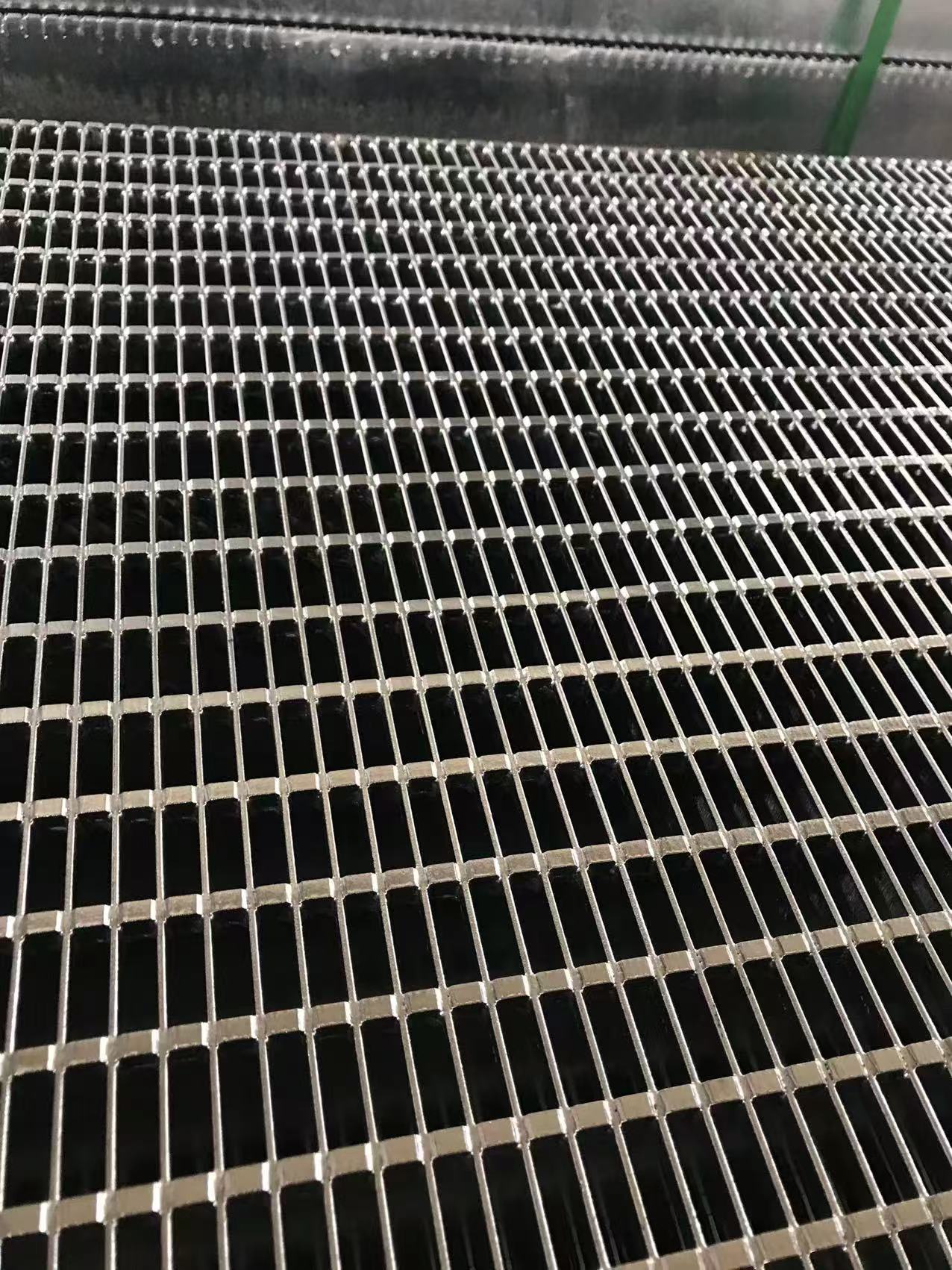
Light steel grating is a type of steel platform or flooring composed of narrow steel bearing bars joined by cross bars, designed to support moderate loads without excessive weight. Unlike heavy-duty steel grating, it is optimized for areas where full heavy-load capacity is not required, allowing for easier handling, faster installation, and reduced structural load. Light steel grating can be manufactured in plain, serrated, or coated forms, offering versatility in traction, corrosion resistance, and environmental adaptability.
Key Material Options
Selecting the right material is essential to match environmental conditions and functional requirements:
● Carbon Steel – Affordable and durable, suitable for general indoor industrial use.
● Hot-Dip Galvanized Steel – Ideal for outdoor or damp environments, providing rust and corrosion resistance.
● Stainless Steel – Offers superior corrosion resistance for chemical plants, marine environments, or wet areas.
● Epoxy-Coated Steel – Provides chemical resistance while maintaining structural integrity and durability.
Material choice influences long-term performance, safety, and lifecycle costs, making it a critical factor in B2B procurement.
Benefits of Light Steel Grating
Light steel grating offers a combination of performance and cost-efficiency that makes it a preferred choice for many industrial applications:
● Lightweight Design – Easier to transport, handle, and install compared to heavy-duty grating.
● Moderate Load Support – Suitable for pedestrian walkways, maintenance platforms, and storage areas with lighter equipment.
● Enhanced Safety – Can feature serrated surfaces or coatings for slip resistance in wet or oily conditions.
● Low Maintenance – Modular panels allow quick replacement without interrupting operations.
● Cost-Efficient – Reduced material and installation costs compared to heavier grating alternatives.
These benefits make light steel grating a practical solution for operations that do not require extremely high load capacity but still demand durability and safety.
Common Applications in Industry
Light steel grating is widely used across industrial and commercial sectors where moderate load-bearing, safety, and efficiency are required:
● Factory Walkways and Platforms – Provides safe access for employees while minimizing structural load.
● Mezzanines and Raised Flooring – Ideal for storage areas and elevated working platforms.
● Light Vehicle Access Areas – Suitable for areas with carts, forklifts, or lighter industrial vehicles.
● Drainage Covers and Industrial Flooring – Allows liquids to pass through while maintaining structural stability.
● Municipal Infrastructure – Used for pedestrian walkways and low-traffic bridges or platforms.
By integrating light steel grating, companies can optimize operational safety and reduce installation and maintenance costs.
Installation Best Practices
Proper installation ensures light steel grating meets safety and performance expectations:
● Align panels accurately to distribute weight evenly.
● Secure panels using industrial-grade fasteners or support brackets.
● Ensure edges are flush to prevent trip hazards.
● Inspect regularly for corrosion, wear, or surface damage.
● Maintain clear drainage paths to prevent liquid accumulation.
A properly installed system can last for decades, providing a durable and low-maintenance solution for industrial and commercial facilities.
Why B2B Buyers Prefer Light Steel Grating
From a B2B perspective, light steel grating offers practical advantages:
● Reduces structural load on platforms or supporting frameworks.
● Provides safe, durable flooring for moderate load applications.
● Minimizes downtime with easy installation and panel replacement.
● Customizable to meet specific dimensions, surface treatments, and load requirements.
● Offers long-term cost savings due to lightweight materials and efficient installation.
Investing in light steel grating allows companies to balance safety, efficiency, and operational cost, making it a smart choice for moderate-load industrial applications.
Conclusion
Light steel grating is a versatile solution for industrial and commercial applications where moderate load support, safety, and cost efficiency are essential. Its lightweight construction, modular design, and customizable material options make it suitable for walkways, platforms, mezzanines, drainage covers, and light vehicle access areas. By choosing the right material, surface treatment, and installation method, B2B buyers can optimize safety, operational efficiency, and long-term value for their industrial projects.
FAQ:
Q1: How does light steel grating differ from heavy-duty steel grating?
Light steel grating is designed for moderate loads and is lighter and easier to install, whereas heavy-duty grating supports extremely high loads and heavy machinery.
Q2: What materials are commonly used for light steel grating?
Carbon steel, hot-dip galvanized steel, stainless steel, and epoxy-coated steel are commonly used, depending on environmental conditions and application requirements.
Q3: Can light steel grating be customized?
Yes, dimensions, load capacity, surface treatment, and bar spacing can all be tailored to meet specific industrial or commercial needs.
Q4: Where is light steel grating most commonly applied?
It is commonly used for factory walkways, mezzanines, platforms, drainage covers, and pedestrian areas with moderate load requirements.
Post time: Feb-24-2026