
In bridge construction and infrastructure projects, safety, load capacity, and long-term durability are non-negotiable requirements. Bridge steel grating has become an essential structural component for pedestrian walkways, maintenance platforms, and drainage areas on bridges. Compared with solid decking materials, steel grating offers superior strength, effective drainage, and reduced maintenance, making it a preferred choice for modern bridge engineering. For B2B buyers and project planners, understanding bridge steel grating is key to achieving both structural performance and lifecycle cost efficiency.
What is bridge steel grating?
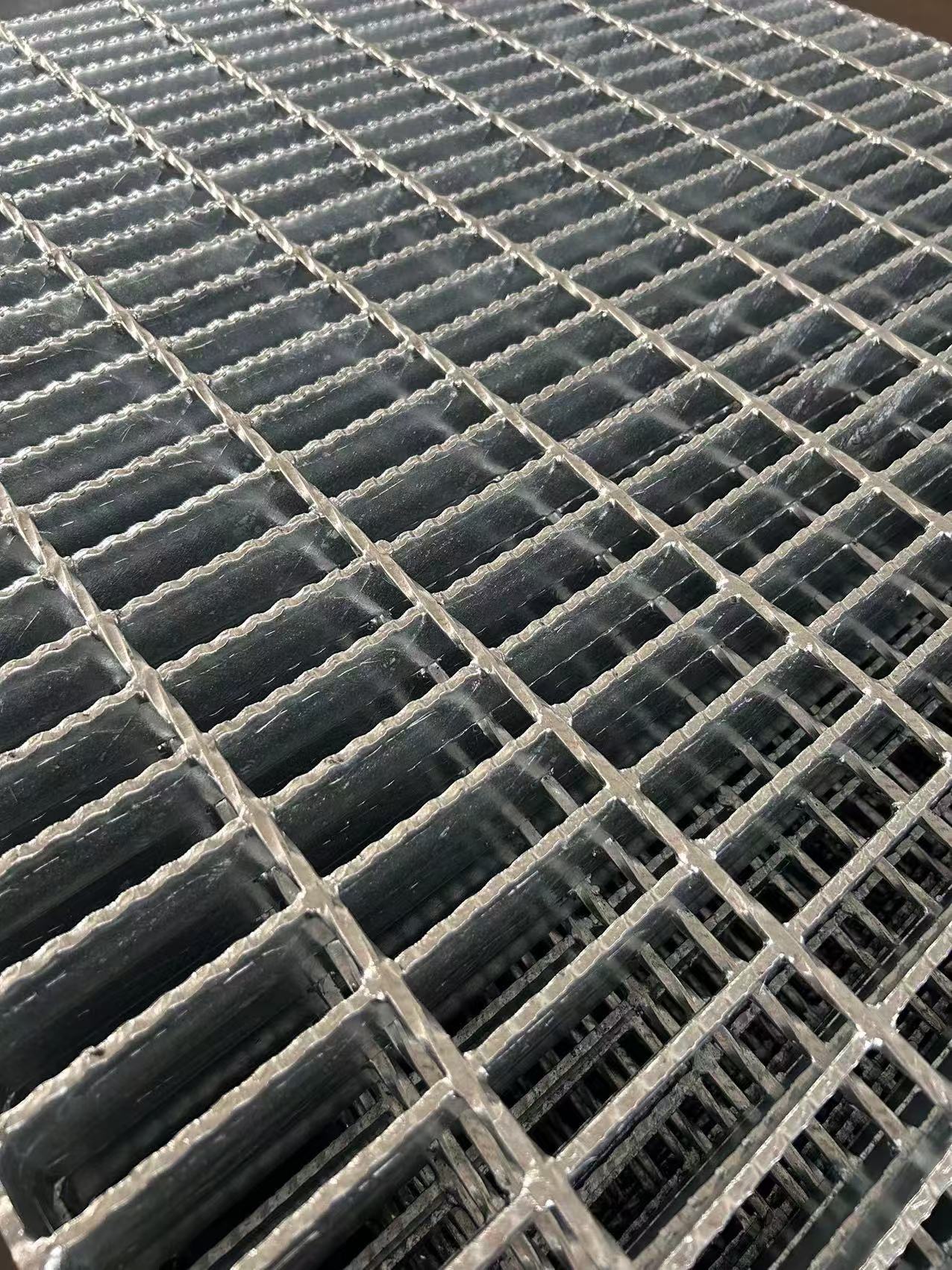
Bridge steel grating is a load-bearing metal flooring system manufactured from steel bearing bars and cross bars, typically welded or pressure-locked together to form a rigid open-grid structure. It is designed to withstand heavy loads, harsh weather, and continuous exposure to traffic and environmental stress.
Unlike solid steel plates or concrete decks, steel grating allows rainwater, snow, dirt, and debris to pass through easily. This reduces water accumulation, improves surface traction, and enhances overall bridge safety. As a result, bridge steel grating is widely used in pedestrian bridges, highway bridges, railway bridges, and maintenance access areas.
Key advantages of bridge steel grating
Bridge steel grating delivers multiple performance and economic benefits for bridge projects:
● High load-bearing capacity: Engineered to support pedestrian traffic, maintenance vehicles, and equipment
● Excellent drainage: Open-grid design prevents water pooling and reduces slip hazards
● Durability: Resistant to deformation, fatigue, and impact under long-term use
● Slip resistance: Serrated bearing bars enhance traction in wet or icy conditions
● Low maintenance: Minimizes debris buildup and reduces long-term cleaning costs
These advantages make steel grating particularly suitable for bridges exposed to rain, snow, wind, and temperature fluctuations.
Common types of bridge steel grating
Selecting the correct grating type depends on bridge design, load requirements, and environmental conditions:
● Welded steel grating: Provides maximum strength and is commonly used for heavy-duty bridge walkways and platforms
● Press-locked steel grating: Offers uniform load distribution and an attractive appearance for pedestrian bridges
● Serrated steel grating: Designed with anti-slip surfaces for enhanced safety in wet or icy environments
● Galvanized steel grating: Hot-dip galvanized coating protects against corrosion and weather exposure
● Stainless steel grating: Used in coastal or highly corrosive environments where maximum corrosion resistance is required
Each type can be customized in bearing bar size, spacing, and panel dimensions to meet specific bridge engineering standards.
Applications of steel grating in bridge projects
Bridge steel grating is widely applied across different bridge structures and functional areas:
● Pedestrian bridge walkways: Provides safe, slip-resistant walking surfaces
● Maintenance platforms: Supports inspection and repair operations under and around bridges
● Bridge shoulders and service paths: Allows safe access for utility and inspection crews
● Drainage covers: Facilitates water runoff and prevents debris accumulation
● Temporary or modular bridge decking: Enables quick installation and replacement
These applications demonstrate the flexibility of steel grating in both permanent and temporary bridge infrastructure.
Material and surface treatment considerations
Material selection plays a critical role in the performance and service life of bridge steel grating. Carbon steel is commonly used due to its strength and cost efficiency, while surface treatment ensures durability in outdoor environments.
● Hot-dip galvanizing is the most widely used finish for bridge applications, offering long-term corrosion protection
● Anti-slip serration improves pedestrian safety in wet or icy conditions
● Special coatings or paints may be applied for aesthetic or environmental requirements
● Stainless steel is selected for bridges in coastal or chemical-exposure areas
Choosing the right combination of material and surface treatment helps extend service life and reduce maintenance frequency.
Installation and maintenance best practices
Proper installation is essential to ensure the structural integrity and safety of bridge steel grating:
● Ensure accurate measurements and proper panel alignment
● Use secure fastening systems such as bolts, clamps, or welding
● Follow engineering load calculations and local bridge standards
● Inspect grating regularly for corrosion, loosened fasteners, or structural damage
● Clean debris periodically to maintain drainage and slip resistance
Routine inspection and maintenance significantly extend the lifespan of bridge steel grating and ensure compliance with safety regulations.
Why bridge steel grating is preferred in B2B infrastructure projects
From a B2B perspective, bridge steel grating offers clear procurement and operational advantages:
● Reduced lifecycle cost compared to solid decking materials
● Faster installation and easier replacement
● Customizable designs to meet international bridge standards
● Proven performance in large-scale infrastructure projects
These factors make steel grating a reliable choice for contractors, engineering firms, and infrastructure developers worldwide.
Conclusion
Bridge steel grating is a proven, high-performance solution for modern bridge construction and maintenance. Its strength, durability, drainage efficiency, and slip resistance make it ideal for pedestrian walkways, maintenance platforms, and service areas on bridges. By selecting the appropriate grating type, material, and surface treatment, B2B buyers can ensure long-term safety, reduced maintenance costs, and compliance with engineering standards. As infrastructure demands continue to grow, bridge steel grating remains a critical component in reliable and sustainable bridge design.
FAQ
Q1: What is bridge steel grating mainly used for?
Bridge steel grating is commonly used for pedestrian walkways, maintenance platforms, service paths, and drainage areas on bridges.
Q2: Why is galvanized steel grating preferred for bridges?
Hot-dip galvanizing provides excellent corrosion resistance, making it suitable for outdoor and weather-exposed bridge environments.
Q3: Can bridge steel grating be customized for specific projects?
Yes, dimensions, bearing bar size, spacing, and surface treatment can be customized according to bridge design and load requirements.
Q4: How is bridge steel grating maintained?
Regular inspection, cleaning debris, checking fasteners, and monitoring corrosion are key to maintaining performance and safety.
Post time: Jan-21-2026