
Workplace safety remains a top priority across industrial and commercial sectors. In environments exposed to water, oil, chemicals, or heavy traffic, flooring systems must provide both structural strength and reliable slip resistance. Anti slip steel grating has become an essential solution for B2B projects seeking long-term safety performance while maintaining operational efficiency.
For engineers, contractors, and procurement managers, understanding how anti slip steel grating improves safety and durability helps ensure compliance, reduce accident risks, and optimize infrastructure investment.
What is Anti Slip Steel Grating?
Anti slip steel grating is a specially engineered metal grating designed with enhanced surface traction to prevent slips and falls. It typically features serrated bearing bars, perforated surfaces, or textured coatings that increase friction between footwear or equipment and the walking surface.
Unlike smooth flooring materials, anti slip steel grating allows liquids, debris, and contaminants to pass through its open structure. This minimizes surface accumulation and significantly improves safety in demanding industrial environments.
The grating structure combines load-bearing capability with drainage efficiency, making it suitable for both pedestrian and equipment access areas.
Key Design Features That Improve Safety
Anti slip steel grating achieves superior performance through engineered structural elements:
● Serrated bearing bars that provide continuous grip under wet or oily conditions
● Open mesh structure allowing rapid drainage of water and chemicals
● High load strength suitable for industrial platforms and walkways
● Anti-corrosion treatments for long-term outdoor performance
● Modular panel design enabling quick installation and replacement
These features help facilities maintain safe walking and working surfaces even in harsh operating conditions.
Materials and Surface Treatment Options
Selecting the correct material ensures optimal performance based on environmental exposure and operational demands.
● Carbon Steel – Strong and economical for general industrial applications
● Hot-Dip Galvanized Steel – Excellent corrosion resistance for outdoor or humid environments
● Stainless Steel – Ideal for chemical plants, food processing, and marine applications
● Powder-Coated or Epoxy-Coated Steel – Added protection against chemicals and abrasion
Surface treatment directly influences lifespan, maintenance frequency, and total lifecycle cost, making it an important consideration for B2B buyers.
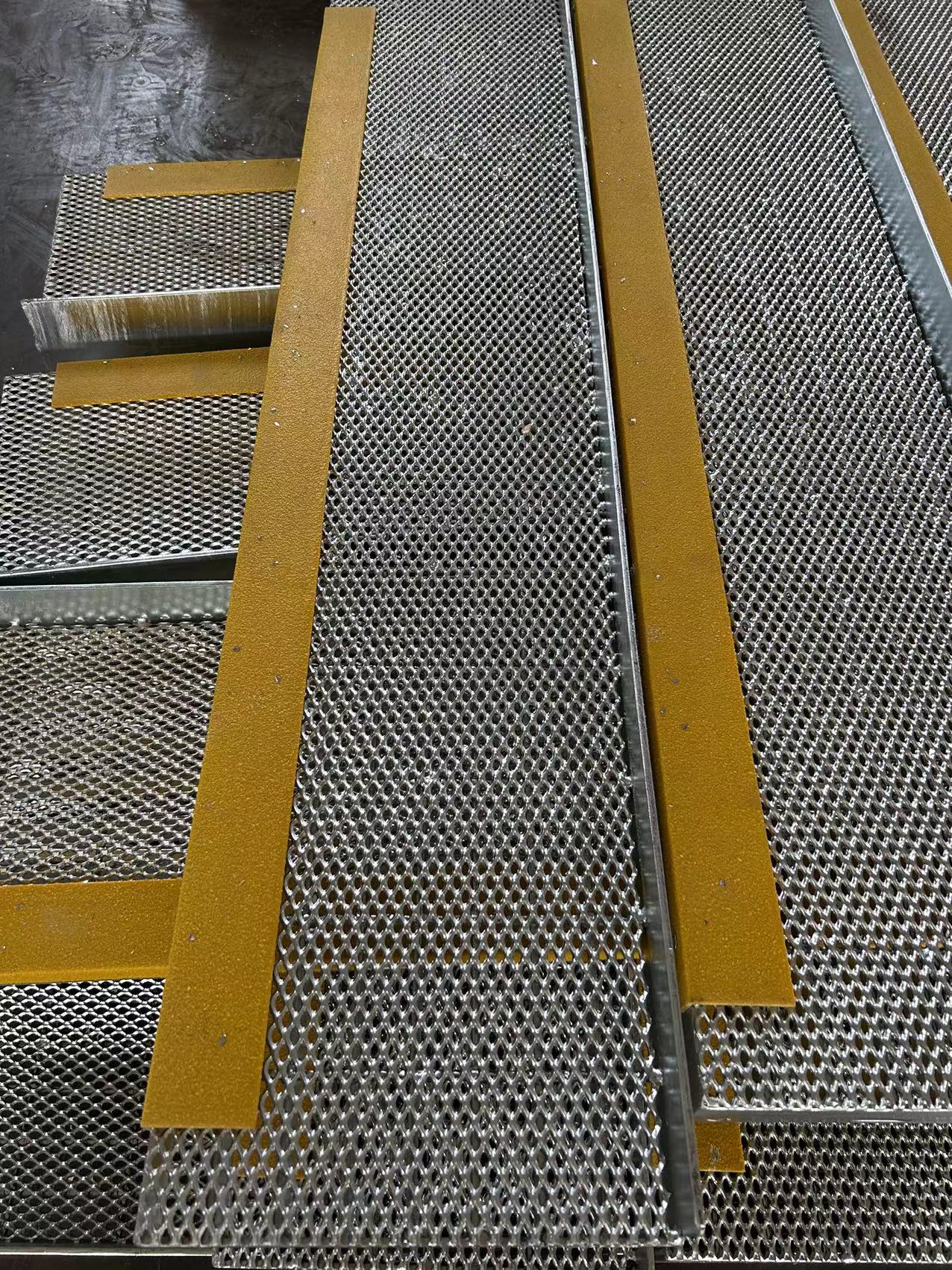
Industrial Applications of Anti Slip Steel Grating
Anti slip steel grating is widely applied in industries where worker safety and drainage performance are critical:
● Industrial walkways and access platforms
● Stair treads and emergency escape routes
● Oil and gas facilities exposed to liquids and grease
● Power plants and heavy manufacturing environments
● Sewage treatment and water management facilities
● Offshore platforms and marine structures
By integrating anti slip steel grating, companies can reduce workplace accidents while maintaining efficient operational movement.
Installation and Maintenance Considerations
Proper installation plays a key role in achieving maximum anti-slip performance and structural stability.
● Ensure proper panel alignment for uniform load distribution
● Secure grating panels using approved clips or fastening systems
● Maintain flush transitions between panels to prevent tripping hazards
● Conduct periodic inspections for corrosion or mechanical damage
● Remove accumulated debris to maintain drainage efficiency
Routine maintenance requirements are minimal, contributing to reduced operational downtime and maintenance costs.
Compliance and Workplace Safety Advantages
Anti slip steel grating supports compliance with industrial safety regulations and workplace standards. Slip-resistant surfaces help facilities meet occupational safety requirements while improving employee confidence and productivity.
Additional safety benefits include fire resistance, structural stability under heavy loads, and adaptability to both indoor and outdoor environments. These characteristics make anti slip steel grating an important component in risk management strategies across industrial operations.
Why B2B Buyers Choose Anti Slip Steel Grating
From a procurement perspective, anti slip steel grating delivers measurable operational value:
● Reduces workplace injury risks and liability exposure
● Improves long-term durability in harsh environments
● Minimizes maintenance and replacement costs
● Supports customized fabrication for project-specific needs
● Enhances operational efficiency through safer movement areas
Its combination of safety performance and lifecycle durability makes it a preferred flooring solution for industrial infrastructure projects.
Conclusion
Anti slip steel grating provides a reliable and cost-effective solution for industries requiring safe, durable, and drainage-efficient flooring systems. Its serrated or textured surface design significantly reduces slip risks while maintaining high load-bearing capacity and corrosion resistance. Whether used in walkways, platforms, stair systems, or processing facilities, anti slip steel grating helps B2B organizations improve workplace safety, operational efficiency, and long-term return on investment.
FAQ:
Q1: What makes anti slip steel grating different from standard steel grating?
Anti slip steel grating features serrated or textured surfaces that increase traction and reduce slipping risks in wet or hazardous environments.
Q2: Where is anti slip steel grating commonly used?
It is widely used in industrial walkways, stair treads, offshore platforms, power plants, and wastewater treatment facilities.
Q3: Can anti slip steel grating be customized for specific projects?
Yes, dimensions, load capacity, materials, and surface treatments can all be customized according to project requirements.
Q4: Does anti slip steel grating require frequent maintenance?
No. Regular inspection and basic cleaning are usually sufficient to maintain long-term performance and safety.
Post time: Feb-26-2026