
In industrial and commercial facilities, stairways are among the most frequently used access points—and also one of the highest-risk areas for slips and falls. Wet surfaces, oil residues, dust, and heavy foot traffic can quickly turn standard stair systems into safety hazards. This is why anti slip stair tread grating has become a preferred solution for B2B projects focused on safety, durability, and long-term operational efficiency.
For engineers, contractors, and procurement managers, selecting the right stair tread system is not only about compliance—it is about protecting workers, reducing downtime, and ensuring reliable performance in demanding environments.
What is anti slip stair tread grating?
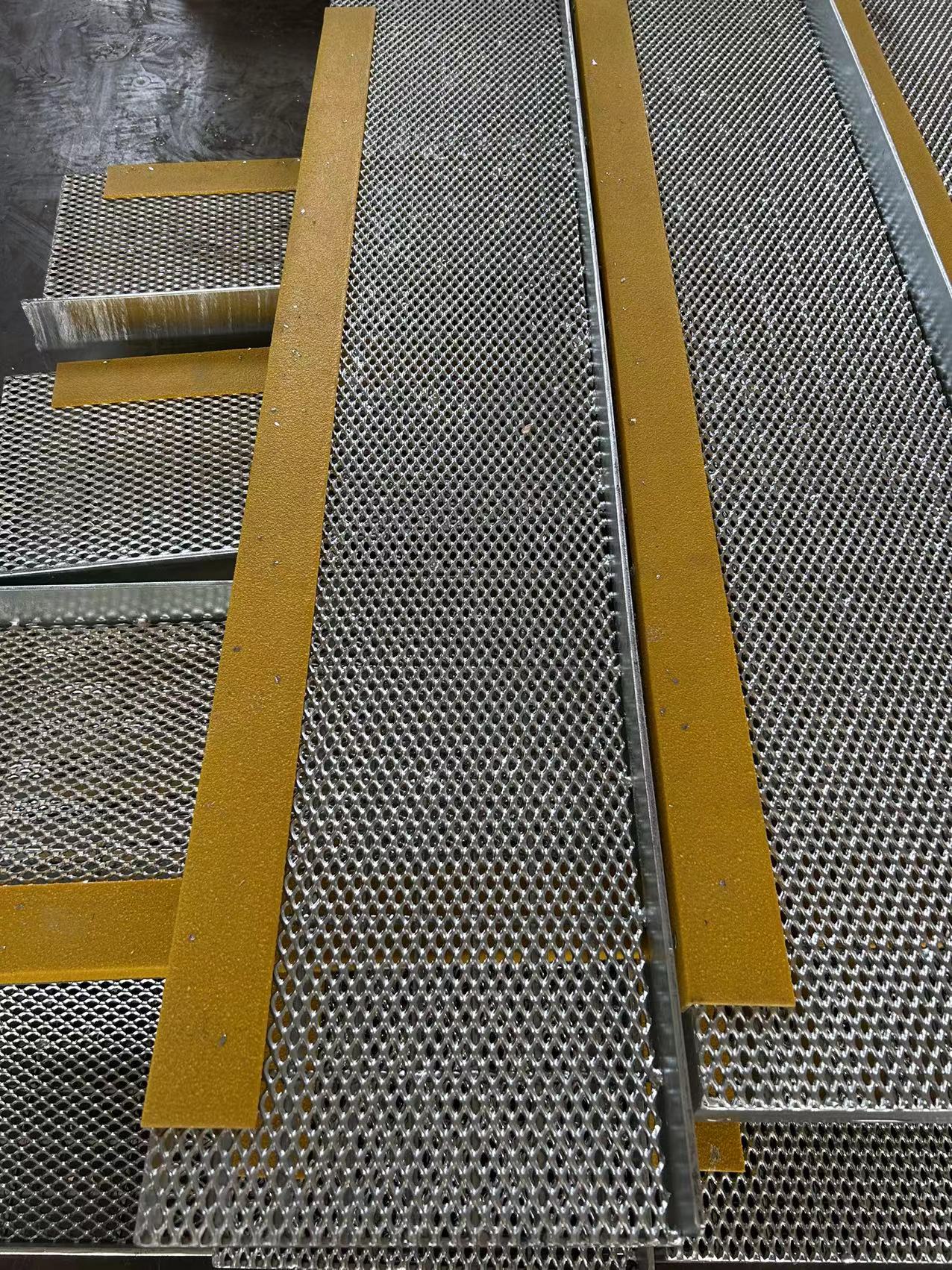
Anti slip stair tread grating is a type of steel grating specifically designed for stair applications, featuring enhanced surface traction to prevent slipping. It is typically constructed from load-bearing steel bars combined with cross bars, forming a rigid and durable grid structure.
The anti-slip performance is achieved through serrated edges, perforated surfaces, or specially designed textures on the top of the bearing bars. These features increase friction between the shoe sole and the tread surface, even in wet, oily, or hazardous conditions.
Unlike solid stair treads, this grating allows water, debris, and contaminants to pass through, reducing accumulation and maintaining a cleaner and safer walking surface.
Key benefits of anti slip stair tread grating
Anti slip stair tread grating offers a range of advantages that make it highly suitable for industrial and commercial applications:
● Enhanced slip resistance
The serrated or textured surface provides strong grip, significantly reducing the risk of slips and falls in challenging environments.
● High load-bearing capacity
Engineered to withstand heavy foot traffic and industrial usage, ensuring long-term structural reliability.
● Excellent drainage performance
Open-grid design allows liquids, snow, and debris to pass through, minimizing accumulation on stair surfaces.
● Durability and corrosion resistance
Manufactured from high-quality steel with optional galvanization or coatings, it resists wear, corrosion, and environmental damage.
● Low maintenance requirements
The design prevents buildup of dirt and liquids, reducing cleaning frequency and maintenance costs.
● Customizable configurations
Available in various sizes, bar spacing, materials, and surface treatments to meet specific project needs.
These benefits make anti slip stair tread grating a cost-effective and safety-focused solution for B2B infrastructure projects.
Common materials and surface treatments
Material selection plays a key role in performance, especially in harsh industrial environments:
● Carbon steel
A cost-effective option with high strength, suitable for general indoor applications.
● Hot-dip galvanized steel
Provides excellent corrosion resistance for outdoor or humid environments.
● Stainless steel
Ideal for chemical plants, food processing facilities, and marine environments where corrosion resistance is critical.
● Special coatings
Epoxy or anti-slip coatings can enhance durability and traction in aggressive environments.
Choosing the right material ensures long-term performance and reduces lifecycle costs.
Applications across industries
Anti slip stair tread grating is widely used in industries where safety and durability are essential:
● Manufacturing plants – Stair access to equipment platforms and mezzanines
● Oil and gas facilities – Environments exposed to oil, water, and harsh weather
● Chemical plants – Areas with corrosive substances and slippery surfaces
● Power plants – Access stairs for turbines, boilers, and heavy equipment
● Marine and offshore structures – Wet and salt-exposed environments requiring high corrosion resistance
● Municipal infrastructure – Public stairways, drainage access points, and pedestrian structures
By integrating anti slip stair tread grating, companies can improve safety while maintaining efficient operations.
Design considerations for optimal performance
To ensure the effectiveness of anti slip stair tread grating, several design factors must be considered:
● Load rating
Select appropriate load capacity based on expected traffic and usage conditions.
● Bar spacing
Proper spacing balances drainage efficiency with walking comfort and safety.
● Surface type
Serrated or perforated surfaces are recommended for environments with high slip risks.
● Edge protection
Adding nosing or front plates improves visibility and safety on stair edges.
● Installation compatibility
Ensure the grating fits the existing stair structure and support system.
Careful design ensures compliance with safety standards and enhances user experience.
Installation and maintenance best practices
Proper installation and regular maintenance are essential for maximizing performance:
● Ensure accurate alignment and secure fastening to stair stringers
● Use appropriate clips, bolts, or welding methods for stability
● Maintain flush installation to avoid tripping hazards
● Inspect regularly for corrosion, wear, or damage
● Clean debris to maintain drainage and slip resistance
With correct installation and minimal maintenance, these systems can provide reliable performance for many years.
Compliance and workplace safety
Anti slip stair tread grating plays a vital role in meeting safety regulations and improving workplace conditions:
● Helps comply with OSHA and other occupational safety standards
● Reduces slip-and-fall incidents in hazardous environments
● Improves worker confidence and productivity
● Provides consistent performance in both indoor and outdoor settings
Investing in high-quality stair tread solutions is a proactive step toward safer industrial operations.
Why B2B buyers choose anti slip stair tread grating
From a procurement perspective, anti slip stair tread grating offers measurable value:
● Enhances workplace safety and reduces liability risks
● Provides long-term durability in demanding conditions
● Reduces maintenance and replacement costs
● Supports customization for project-specific requirements
● Improves operational efficiency and compliance
These advantages make it a preferred solution for industrial, commercial, and infrastructure projects.
Conclusion
Anti slip stair tread grating is an essential component for safe and efficient stair systems in industrial and commercial environments. Its superior slip resistance, high load-bearing capacity, and excellent drainage performance make it ideal for challenging conditions where safety cannot be compromised. By selecting the appropriate material, design, and installation method, B2B buyers can achieve long-term reliability, reduced maintenance costs, and improved workplace safety. As safety standards continue to evolve, anti slip stair tread grating remains a practical and forward-looking solution for modern infrastructure.
FAQ:
Q1: What makes anti slip stair tread grating safer than standard stair treads?
It features serrated or textured surfaces that increase traction and reduce the risk of slipping, especially in wet or oily environments.
Q2: Can anti slip stair tread grating be used outdoors?
Yes, especially when made from galvanized or stainless steel, it performs well in outdoor and corrosive environments.
Q3: Is it customizable for different projects?
Yes, it can be customized in terms of size, load capacity, materials, and surface treatments.
Q4: How long does anti slip stair tread grating last?
With proper material selection and maintenance, it can last for decades even in harsh industrial conditions.
Post time: Mar-28-2026